
Plants
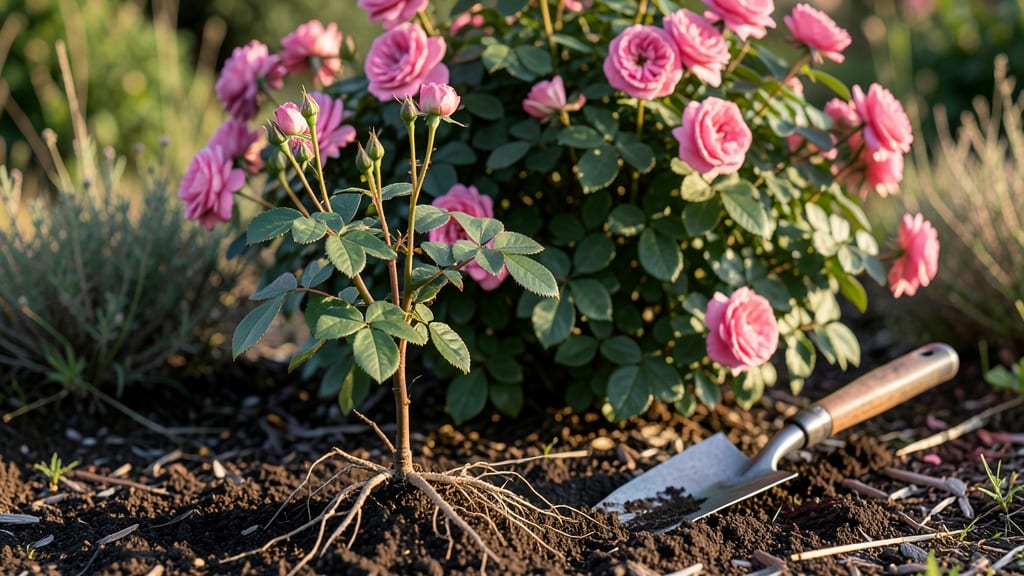
To plant roses in Massachusetts, time your spring or fall window carefully—April-May or September-October—when soil is workable but frost risks have passed.
Picture this: You’ve picked out the perfect 🌹 for your garden, only to watch it wilt because you planted too early or too late. Massachusetts’ USDA Zone 6a climate demands precision—too soon and frost zaps young roots; too late and summer heat stresses them.
This isn’t just about dates, though. Coastal areas like Cape Cod warm faster than inland spots like Worcester, shifting your ideal window by weeks. I’ll break down the exact soil temps to watch for, how to prep your site, and why fall planting often outperforms spring for New England roses.
By the end, you’ll know not just when to plant, but how to set your roses up for blooms that last—no guesswork, just proven timing for your corner of the state.
Massachusetts USDA zones 5-7: exact planting windows for rose success
Massachusetts spans USDA zones 5-7, creating distinct planting windows for roses that can confuse even experienced gardeners. In Zone 5a/5b, where winters are colder, your timing must account for later last-frost dates (often mid-April to late May).
Meanwhile, Zone 7a gardeners near coastal areas like Providence may plant as early as early April—but inland zones like Springfield (Zone 6a) need to wait until after May 15 to avoid frost damage.
Bare-root roses and potted roses have different ideal windows.
Bare-root varieties thrive when planted in early spring (March-April) or fall (September-October), while potted roses can handle slightly later spring planting (April-May) since their roots aren’t exposed. Soil temperature is your best guide: aim for 50°F+ at 6 inches deep before planting.
Coastal regions like Cape Cod (Zone 7a) enjoy earlier frost-free dates (as early as March 20), while inland areas (e.g., Pittsfield, Zone 5a) may not see their last frost until May 10. This 3-week difference can mean the difference between thriving roses and frost-bitten canes.
🌹
For bare-root roses, the earliest safe window is when soil temperatures stabilize at 50°F+ and daytime highs reach 60°F+ consistently.
In Zone 5a, this typically aligns with late April, while Zone 7a gardeners can start as early as March 20. Potted roses offer more flexibility—plant them 2-3 weeks later than bare-root varieties since their roots are already established.
Fall planting is another critical window for Massachusetts roses. Aim to plant 6-8 weeks before your first frost (usually September-October). In Zone 5a, this means early September, while Zone 7a can extend planting until late October.
Fall-planted roses establish roots before winter, giving them a head start in spring.
Microclimates play a huge role in Massachusetts. A south-facing slope in Zone 6a may warm up 2 weeks earlier than a north-facing yard. Use a soil thermometer ($15 at garden centers) to verify temperatures before planting.
If your soil is still below 50°F, wait—cold soil shocks roots and stunts growth.
5 Critical factors that determine your rose planting timeline
Planting roses in Massachusetts isn't just about checking your USDA zone—it’s about reading your local microclimate.
While most gardeners focus on last frost dates, I’ve learned that soil temperature, moisture levels, and even regional climate quirks (like Boston’s coastal moderation vs. inland freezes) can shift your planting window by weeks.
For example, Springfield’s last frost often arrives 2-3 weeks after Boston’s, meaning your timing should adjust accordingly.
Another game-changer is soil warmth. Roses need soil temperatures of at least 45°F (7°C) to thrive—cold soil can stunt root growth, even if air temperatures seem ideal. I test soil warmth with a simple soil thermometer (just $10 at garden centers) to avoid planting too early.
In Zone 5b areas like Worcester, this might mean waiting until mid-May, while Zone 6a regions like Cape Cod can plant in early April.
- 📅 Last Frost Dates: Boston (Zone 6b) = April 15; Springfield (Zone 5b) = May 1; Nantucket (Zone 7a) = April 1. Plant 2-3 weeks after your local average.
- 🌡️ Soil Temperature: Aim for 45°F+ (7°C+). Use a thermometer—cold soil delays root growth. Bare-root roses need warmer soil than potted ones.
- 💧 Moisture Levels: Plant when soil is moist but not soggy. Drought stress after planting is worse than waiting. Mulch heavily (3-4 inches) to retain moisture.
- ☀️ Sunlight Hours: Roses need 6+ hours of sun daily. If your site gets partial shade, opt for disease-resistant varieties like ‘Knock Out’ roses.
- 📋 Pre-Planting Checklist:
- ☑️ Test soil pH (6.0-6.5 ideal). Amend with lime or sulfur if needed.
- ☑️ Choose a site with well-draining soil. Avoid low spots where water pools.
- ☑️ Loosen soil 12-18 inches deep and mix in compost.
- ☑️ Prune dead stems from bare-root roses before planting.
Don’t overlook moisture levels—this is where many Massachusetts gardeners trip up. Roses planted in dry soil struggle to establish roots, while soggy conditions invite fungal diseases like black spot. I always water deeply 1-2 days before planting to ensure the soil is hydrated but not waterlogged.
After planting, maintain consistent moisture by watering at the base of the plant (not the leaves) in the morning to prevent fungal spores from thriving overnight.
Adjusting for early springs or late winters is another skill I’ve had to master. In years when snow melts by March (like 2020), I resist the urge to plant early. Instead, I wait until soil temperatures consistently stay above 50°F (10°C) for a week.
For late winters (like 2018), I plant bare-root roses in fall (September-October) so they establish roots before dormancy. Container-grown roses, however, are more flexible and can handle spring planting up to June, though they may bloom less that first year.
Finally, site selection can’t be overlooked. Roses in full sun (6+ hours daily) produce the most blooms, but afternoon shade helps in hot inland areas like Pittsfield. I always scout my site in late afternoon to check for shade patterns—what looks sunny in winter can be shady in summer.
If your yard has limited sun, choose dwarf varieties like ‘The Fairy’ or ‘Playboy’ that tolerate 4-6 hours of sun.
Pro tip: Mark your planting dates on a garden calendar and track soil temps for 3 years. You’ll spot patterns—like how Springfield’s last frost keeps shifting earlier each decade.
By combining these 5 critical factors, you’ll plant roses at the perfect moment for strong roots and abundant blooms all season. 🌹