
Blooming
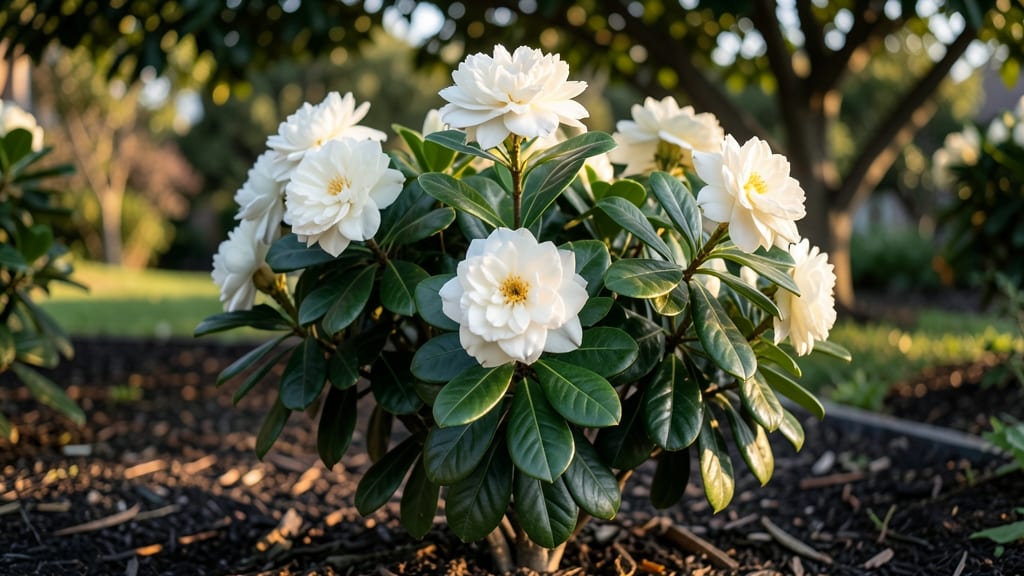
Gardenias bloom during late spring through early fall months, typically between May and September**, with peak periods varying by variety. Classic types like Gardenia jasminoides shine brightest in June and July, while tropical varieties often flower continuously in warm climates. Cooler regions (USDA zones 7–9) experience shorter bloom windows, while frost-free areas may enjoy autumn extensions.
Understanding gardenia bloom timing helps you plan for their stunning fragrance and beauty. 🌸 These flowers are sensitive to temperature shifts—most varieties need consistent warmth between 60–80°F to trigger blooming. In colder climates, gardenias may enter dormancy after the first frost, halting flower production until spring.
For example, Gardenia augusta often blooms later than Gardenia jasminoides, making it a great choice if you want summer-to-fall color. Tropical gardenias, like those in USDA Zone 10, can reward you with flowers year-round if given the right care and protection from harsh winds.
What’s fascinating is how light exposure plays a role—too much direct afternoon sun can stress the plant, while morning sunlight paired with afternoon shade creates ideal conditions. This balance is key to encouraging longer bloom cycles.
I’ve found that gardeners in Zone 7 often see their plants bloom from late May through August, while those in Zone 10 might enjoy sporadic blooms even in winter if temperatures stay mild.
💡 In This Article
- Gardenia Bloom Seasons by Variety and Climate Zones
- How to Extend Gardenia Blooming with Pruning and Care
Gardenia bloom seasons by variety and climate zones
Gardenia blooming seasons hinge on two key factors: variety and climate zone. The most popular type, Gardenia jasminoides, typically bursts into bloom between June and July in temperate zones, producing clusters of creamy-white, highly fragrant flowers that can last up to two weeks per cluster.
This variety thrives in USDA zones 7–9, where daytime temperatures consistently stay between 60–80°F, triggering the plant's natural flowering cycle. In contrast, Gardenia augusta—a larger-flowered cousin—often blooms slightly later, peaking in July and August, making it ideal for gardeners who want summer-to-fall color.
Climate plays a dramatic role in bloom timing. In USDA Zone 10 and warmer, gardenias may flower year-round if protected from harsh winds and given consistent moisture.
For example, tropical varieties like Gardenia radicans can produce blooms in spring, summer, and even mild winters, though their flowers tend to be smaller and less fragrant than their temperate counterparts.
Meanwhile, in Zone 7 or cooler, gardenias often enter dormancy after the first frost (usually by October), halting blooms until spring. The cold shock forces the plant to conserve energy, delaying new growth until temperatures rise again in late April or May.
Temperature isn’t the only factor—light exposure also shapes bloom windows. Gardenias prefer bright, indirect light, which is why morning sun with afternoon shade works best. In full sun, especially in hot climates, the plant can become heat-stressed, leading to fewer blooms or even leaf scorch.
I’ve seen gardeners in Zone 9 extend their blooming season by providing dappled shade during peak afternoon heat, which keeps the plant energized for longer. This balance is critical: too little light stunts growth, while too much can trigger early dormancy.
Soil conditions matter just as much. Gardenias thrive in acidic soil (pH 4.5–6.0), which mimics their natural tropical forest habitat. In alkaline soils (common in many suburban areas), the plant struggles to absorb essential nutrients like iron and zinc, leading to fewer blooms.
Amending soil with peat moss or sulfur can help, but even then, the plant may produce smaller, less vibrant flowers.
For instance, a gardenia in Zone 8 with properly acidified soil might bloom from May through September, while one in the same zone with alkaline soil could see blooms limited to just June and July.
Here’s a quick comparison of bloom windows by zone and variety:
- Zone 7–9 (Temperate): Gardenia jasminoides – June–July; Gardenia augusta – July–August
- Zone 10+ (Tropical): Gardenia radicans – Year-round (mild winters); Gardenia jasminoides – Spring to fall with breaks
- Zone 6 or cooler: Late May–August (if protected from frost)
The takeaway? If you’re in a cooler climate, focus on late-spring varieties and provide winter protection. In warmer zones, you can enjoy near-continuous blooms with the right care—just watch for pests like spider mites, which thrive in dry, hot conditions and can stress the plant into early dormancy. 🌿