
How To
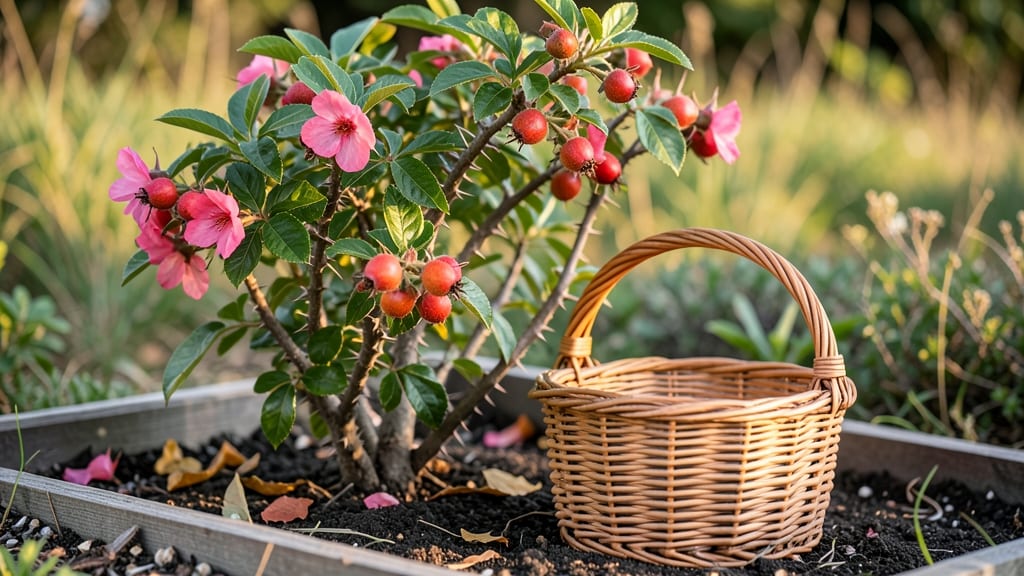
Harvesting rosehips at the right time means the difference between a tart, vitamin-packed treat and a bitter, seedy mess 🌹 — and the key is all in the color.
Picture this: you’ve spent months nurturing your rosehip shrub, only to pick the hips too early and end up with a batch that’s tough, green, and practically inedible. Or worse, you wait too long and the fruit turns mushy, losing its nutritional punch.
The good news? With a little color knowledge, you can nail the perfect harvest window every time.
Most rosehips are ready between September and October when they’ve shifted from green to a deep red or even purple-black hue. But not all varieties ripen on the same schedule, and regional climates can shift that window by weeks.
Below, I’ll walk you through the exact color cues to look for, how to test firmness, and when to avoid harvesting altogether.
By the end, you’ll know not just when to harvest but also how to store them for tea, jams, or supplements—so none of that hard work goes to waste.
Rosehip ripeness by color: the exact timing for harvest
Harvesting rosehips at the right stage transforms them from bitter, seedy pods into nutrient-packed superfoods. The color of your rosehips is your best indicator—each hue signals a different nutritional stage and harvest window.
Green hips are inedible, while overripe ones lose their vitamin C potency and flavor. Let’s break down the exact color cues to time your harvest perfectly for tea blends, jams, or supplements.
Most rose varieties reach peak ripeness in late September to October, but climate and variety play a role. In USDA Zone 6a, where frost arrives by late October, aim to harvest by mid-October to avoid damage.
Warmer zones (like Zone 8) can extend harvesting until November. The key is watching for the deep red or purple-black hues that signal optimal nutrition.
⚠️ Critical Note: Never harvest green rosehips—they contain toxic tannins and undigested seeds. Even partially green hips can cause stomach upset. Wait until the fruit is fully colored before picking.
| Color Stage | Ripeness Level | Nutritional Value | Best For | Harvest Time | Avoid If... |
|---|---|---|---|---|---|
| 🟢 Green | Unripe | Low vitamin C, high tannins | None | N/A | Hard, bitter, toxic |
| 🟡 Light Orange/Yellow | Partially Ripe | Moderate vitamin C | Fermented teas | Early September | Seeds still hard |
| 🔴 Deep Red | Fully Ripe | Peak vitamin C, antioxidants | Jams, syrups, supplements | Late Sept–Oct | Overripe (shriveled) |
| 🟣 Purple-Black | Overripe | Reduced potency | Dried teas | November (if frost-free) | Shriveled, mealy |
Deep red rosehips are the golden standard for harvesting. At this stage, they’re packed with 500–1,000mg of vitamin C per 100g—far more than citrus! Their firm yet slightly soft texture and bright color indicate they’re ready for jams, syrups, or supplements.
For Rosa rugosa varieties, this stage arrives slightly earlier (late August–September), while Rosa canina may linger into October.
Overripe purple-black hips still contain nutrients but lose 30–50% of their vitamin C and develop a mealy texture. They’re best for dried teas or fermented products where texture isn’t critical.
If frost threatens before hips reach deep red, harvest them slightly underripe—they’ll ripen indoors at room temperature for 3–5 days.
To preserve maximum nutrition, harvest on a dry morning after dew has evaporated. Use clean pruning shears to snip stems, leaving a 1-inch stub. Avoid twisting hips off—this damages the plant and can introduce disease pathogens.
Spread hips on a screen or tray in a shady, well-ventilated area to dry for 1–2 weeks.
For supplement use, deep red hips yield the best results when dried and powdered. Their antioxidant levels (like quercetin and lycopene) peak at this stage, making them ideal for immune-boosting teas or capsules.
Store dried hips in an airtight container away from light to retain potency for up to 12 months.
If you’re growing Rosa rugosa, prioritize harvesting by mid-October—its hips ripen faster and are prone to cracking if left too long. For Rosa canina, extend harvesting until frost kills the plant, as its hips hold their color longer. Always prioritize color consistency across your harvest
How to test rosehip ripeness: beyond color (firmness, seed, and taste checks)
Color is your first clue, but true ripeness requires a deeper inspection. Even deep red hips can be underripe or overripe—both ruin flavor and texture. I’ve learned to combine three tests: the squeeze test, seed development, and taste sampling.
These methods ensure you harvest at peak nutrition, whether you’re making tea, jams, or supplements.
Start with the squeeze test, the simplest way to gauge ripeness. Gently press a rosehip between your thumb and forefinger—it should yield slightly, like a ripe tomato, but not squish into mush.
Overripe hips feel mushy and may split open, while underripe ones stay rock-hard and unyielding. This test works best when hips are fully colored but before frost sets in.
⚠️ Warning: Frost Can Ruin Your Harvest
Premature frost turns rosehips mealy and bitter. If temperatures drop below 28°F, harvest immediately—even if hips aren’t fully ripe. For late-season varieties, cover plants with frost cloth to delay ripening until safer conditions. Pest damage (like rose slugs) also spoils hips; inspect for holes or chewed skins before harvesting.
Next, check seed development inside the hip. Slice one open lengthwise—ripe seeds should be plump and brown, not shriveled or still white. If seeds are underdeveloped, the hip lacks flavor and nutrients.
Overripe seeds may darken excessively or even germinate inside the fruit, signaling it’s past its prime. This step is crucial for supplement-grade hips, where seed quality directly impacts potency.
Taste is the final judge. Pop a ripe hip into your mouth—it should be sweet-tart, with a slight floral note, and easy to eat without chewing. Underripe hips taste bitter and gritty, while overripe ones turn sour or fermented.
For consistency, sample 3–5 hips from different parts of the plant, as sunlight exposure affects ripening speed. Store any questionable hips separately to monitor flavor changes over 24 hours.
If you’re harvesting for long-term storage, prioritize hips that pass all three tests. Rinse them gently to remove debris, then dry thoroughly in a well-ventilated area (like a mesh bag) for 3–5 days.
Store dried hips in an airtight container in a cool, dark place—they’ll keep for up to 6 months while retaining their vitamin C. For immediate use, like fresh tea, harvest and process within 48 hours for the best flavor.
Remember, regional climate shifts ripening timelines. In warmer zones (like USDA Zone 8+), hips may ripen earlier, while colder areas (Zone 5–6) could see delays. Adjust your tests accordingly—when in doubt, harvest a few hips early and retest in a week.
With practice, you’ll develop a knack for timing that turns your rosehip harvest into a year-round treasure. 🌹