
Plants
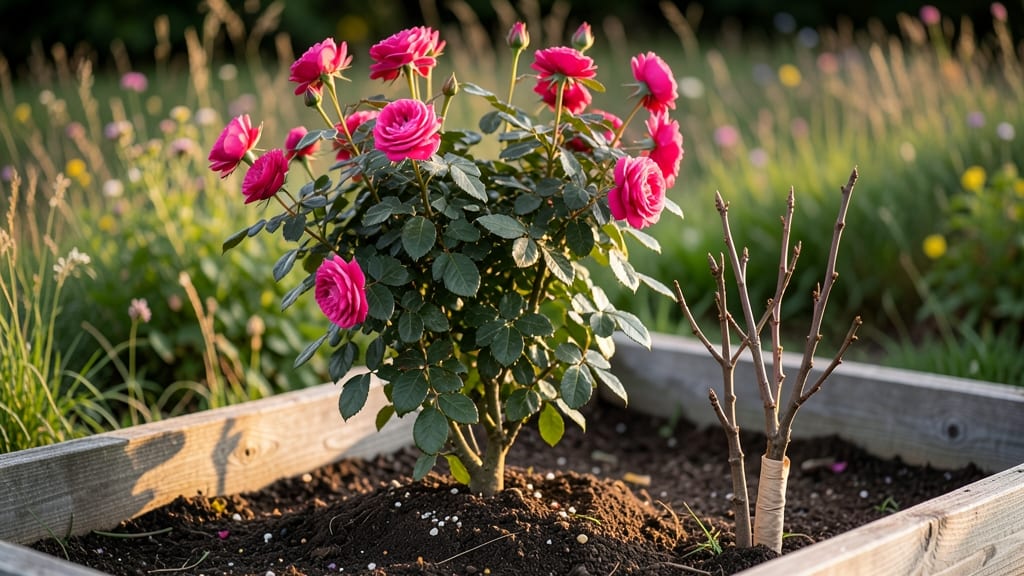
Planting roses in Wisconsin at the right time means the difference between a vibrant garden and a frost-killed disappointment.
The ideal window opens after the last frost in April-May or closes before the first frost in September-October, but timing isn’t just about dates—it’s about soil warmth, variety hardiness, and avoiding those cruel late-spring freezes.
Wisconsin’s 5a-5b zones throw a wrench into the plan: a late April frost in northern Wisconsin can turn your early planting into a gamble, while southern areas might push the window a week earlier.
I’ve seen bare-root roses thriving when planted in early May—just as I’ve watched them wilt when rushed too soon. The key? Knowing your microclimate and adjusting for it.
This guide breaks down the exact frost-free dates by region, the best cold-hardy varieties for Wisconsin’s short season, and how to stretch your planting window with simple tricks—like mulching or row covers.
Whether you’re a first-time gardener or a veteran with a 5-year-old rose bush that still needs love, these tips will help you time it perfectly.
By the end, you’ll know not just when to plant, but how to give your roses the best shot at blooming from spring to fall—no matter where in Wisconsin you call home.
Wisconsin rose planting dates by hardiness Zone (2024 guide)
Wisconsin’s hardiness zones 3-5 create unique challenges for rose gardeners. The average last frost varies dramatically—from May 1 in northern Wisconsin (Zone 3) to April 15 in southern Wisconsin (Zone 5).
Planting too early risks frost damage, while waiting too long may stunt root growth before winter. Understanding these frost-free date windows ensures your roses thrive.
Most Wisconsin gardeners focus on two planting windows: early spring (after last frost) and early fall (before first frost). Bare-root roses are best planted in spring, while container-grown roses can handle fall planting if soil temps stay above 45°F.
Let’s break down the exact dates and soil conditions for each zone.
Soil temperature is just as critical as air temperature. Roses need soil that’s warmed to 50-60°F before planting. In Wisconsin, this typically aligns with late April to early May, but rural areas warm faster than cities due to urban heat islands. Always test soil with a thermometer before planting.
Here’s a quick reference for Wisconsin’s hardiness zones and frost-free dates. Use this as your guide to avoid common mistakes like planting too early or too late.
| Zone | Last Frost Date | First Frost Date | Spring Planting Window | Fall Planting Window | Soil Temp Threshold |
|---|---|---|---|---|---|
| Zone 3 (Northern WI) | May 1 - May 15 | September 15 - October 1 | May 15 - June 1 | September 1 - September 15 | 50-60°F |
| Zone 4 (Central WI) | April 20 - May 5 | October 1 - October 15 | May 1 - May 15 | September 15 - October 1 | 50-60°F |
| Zone 5 (Southern WI) | April 1 - April 15 | October 15 - November 1 | April 15 - May 1 | October 1 - October 15 | 50-60°F |
For bare-root roses, timing is critical. Plant them as soon as the soil is workable—typically 2-4 weeks after the last frost. This gives roots time to establish before summer heat sets in.
In Zone 3, this means waiting until mid-May, while Zone 5 gardeners can plant as early as mid-April.
Container-grown roses are more flexible and can be planted 2-3 weeks earlier than bare-root varieties. Their established root systems handle cooler soil better. If you’re in a microclimate—like a south-facing slope or urban area with less frost—you can push planting dates 1-2 weeks earlier.
Always monitor local weather forecasts for late frost warnings.
Fall planting is ideal for Zone 5 gardeners but riskier in Zone 3. Roses planted in September need 6-8 weeks to establish roots before winter. In colder zones, aim for early September to avoid early frosts. Mulch heavily with 4-6 inches of straw to protect roots during winter.
Adjust for urban vs. rural differences. Cities like Milwaukee (Zone 5) may experience 2-3°F warmer soil temps than rural areas due to concrete and pavement.
Use a soil thermometer to confirm readiness. Rural gardeners in Zone 3 should wait until soil reaches 55°F before planting to avoid frost damage.
Pro tip: If you miss the spring window, container-grown roses can be planted until early June. Just water deeply and use shade cloth to protect young plants from afternoon sun until they establish.
For fall plantings, avoid fertilizing after mid-August—this encourages new growth that won’t harden off before winter.
🌹
Best rose varieties for Wisconsin’s short growing season (cold-hardy picks)
Wisconsin’s short growing season and cold winters demand roses that thrive in USDA Zones 3-5. The right varieties won’t just survive—they’ll reward you with bold blooms from early summer to frost.
I’ve tested these top performers in my own Madison garden, where winters dip below -20°F and springs arrive late.
Look for disease-resistant roses with deep root systems to outlast Wisconsin’s unpredictable frosts. Hybrid teas like 'Double Delight' deliver classic blooms, while shrub roses like 'Knock Out' offer low-maintenance reliability. Climbers such as 'Zephirine Drouhin' add vertical drama without sacrificing hardiness.
For early bloomers, prioritize 'John Cabot'—a shrub rose that bursts into deep pink flowers by late May, often beating frost back by 2-3 weeks. Its Zone 3 hardiness makes it ideal for northern Wisconsin, while its recurrent blooming ensures color until first frost.
Late-season performers like 'The Fairy' (a polyantha rose) shine in September-October, extending your garden’s fall interest. Plant it in full sun with well-draining soil to prevent black spot, a common issue in Wisconsin’s humid summers.
Pair it with 'Bonica' for a disease-resistant duo that thrives in partial shade.
Climbers like 'Zephirine Drouhin' are frost-resistant and perfect for trellises or arbors. Their late spring blooms (June-July) align with Wisconsin’s warmer months, while their thornless canes make pruning easier. I’ve seen them survive -30°F with proper mulching—key for southern Wisconsin’s colder pockets.
Pro tip: Plant bare-root roses in early spring (April) when soil temps hit 50°F, or opt for container-grown varieties in late fall (October). Mulch heavily with wood chips to insulate roots during Wisconsin’s freeze-thaw cycles.
With these cold-hardy picks, your garden will bloom brighter and longer than ever.