
Pruning
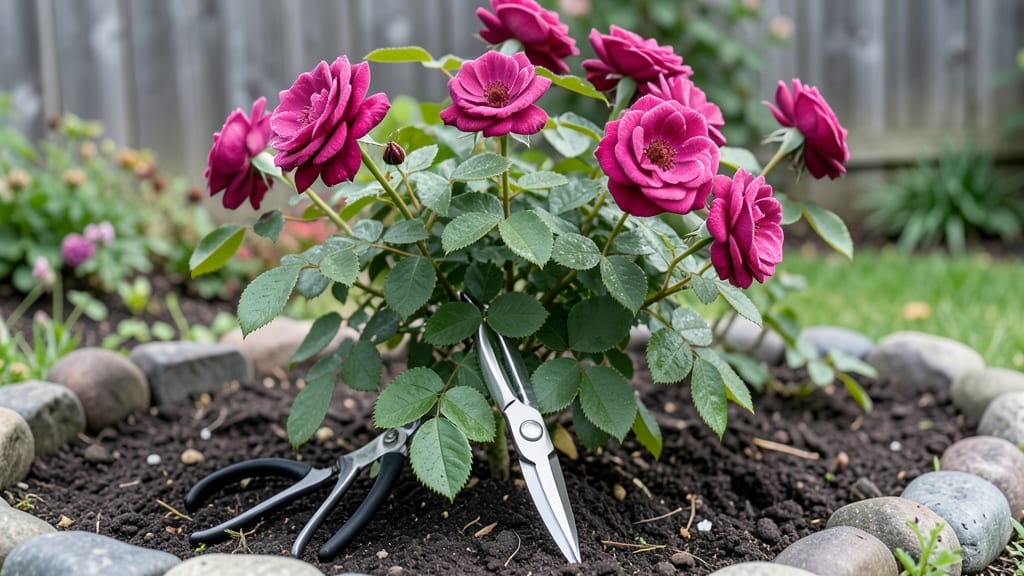
To prune rose bushes in Texas, time it right after the last frost but before the summer heat peaks—typically late February to early March for most of the state.
Picture this: You’ve spent months nurturing your 🌹 rose bush, only to see it struggle after a hasty trim in the wrong season. In Texas’s brutal climate, pruning too early can leave roses vulnerable to frost, while waiting too long risks heat stress and fewer blooms.
The key is aligning your cuts with Texas’s unique zones—whether you’re in North Texas’s 8a or South Texas’s 10a. Hybrid teas, climbers, and native roses all need slightly different timing, and ignoring the rules can mean missed blooms or even dead canes.
Here’s what you’ll learn: the exact month-by-month pruning calendar for Texas, how to spot when your roses really need trimming, and the five mistakes that kill rose bushes in our heat. Let’s get those bushes thriving.
Texas heat-zone pruning calendar: best months for each rose type
Texas’s extreme heat and variable frost dates make pruning roses tricky. Unlike cooler climates, pruning too early can shock new growth, while pruning too late risks heat stress. The key? Align your cuts with bloom cycles and temperature thresholds—typically between 50°F and 65°F for best results.
Texas spans USDA zones 8-11, so timing varies. North Texas (zone 8) has earlier frost (Nov 15), while South Texas (zone 11) stays warm year-round. Hybrid teas, climbers, and native roses each need tailored approaches to avoid stress and maximize blooms.
Here’s your month-by-month guide for pruning roses in Texas, broken down by type and zone. Use this to time cuts for peak health and avoid summer heatwaves.
| Rose Type | Best Pruning Months (Zones 8-11) | Temperature Threshold | Bloom Cycle Alignment | Key Notes |
|---|---|---|---|---|
| Hybrid Teas | Late Feb - Early March | 50°F - 60°F | Pre-bloom flush (March-April) | Remove dead wood first; cut back 1/3 of canes to encourage buds. |
| Climbing Roses | Early Feb - Mid March | 50°F - 65°F | Post-dormancy (Feb-March) | Prune after last frost; retain 3-5 main canes for structure. |
| Native Roses (e.g., Rosa texana) | Late Jan - Early Feb | 45°F - 55°F | Early spring growth | Light prune; avoid heavy cuts—natives bloom on old wood. |
| All Types (Light Maintenance) | June - July | Above 85°F (avoid midday) | Post-bloom thinning | Remove spent blooms and crossing branches; water deeply after. |
| All Types (Avoid) | August - September | Above 95°F | N/A | Never prune—heat stress kills new growth. Wait for temps to drop. |
For North Texas (zones 8-9), stick to February-March pruning.
The last frost typically hits by mid-December, so pruning in January risks freeze damage to fresh cuts. South Texas (zones 10-11) can prune as late as early February due to milder winters, but avoid summer pruning—the heat will stress the plant.
After pruning, mulch heavily (3-4 inches) to retain moisture and fertil
5 Critical signs your Texas rose bush needs pruning now (and what to do)
Your Texas rose bush silently signals when it’s time for a trim—dead canes, overcrowded growth, or pest damage all scream for attention. Ignoring these signs in Texas’s humid heat can turn your blooms into a fungal buffet.
Here’s how to spot trouble and prune like a pro before it’s too late.
First, look for blackened or brittle canes that snap like dry twigs. These are deadwood—perfect entry points for black spot fungus, a Texas rose’s worst enemy. Next, check for crowded canes competing for sunlight; if you can’t see the center of your bush, it’s time to thin.
Finally, watch for yellowing leaves or sticky residue—signs of aphids or rose slugs, pests that thrive in Texas’s heat.
- ✂️ Dead canes (black/brown, hollow when cut) – Remove immediately to prevent disease.
- 🌿 Overcrowded canes (no sunlight in center) – Thin to 5-7 strongest canes per bush.
- 🟡 Yellow leaves (fungus or pests) – Prune infected leaves and apply fungicide.
- 🐛 Sticky residue (aphids/rose slugs) – Wipe with soapy water and prune infested areas.
- 🌱 No new growth (dormant in summer) – Light prune to encourage airflow.
For deadwood, use sterilized pruners to cut 1/4 inch above a healthy bud, angled downward. This redirects growth away from damaged areas. If you spot black spot fungus (purple-black spots on leaves), prune affected leaves and apply a copper fungicide to prevent spread.
Texas’s humidity loves this fungus, so act fast!
Overcrowded canes? Focus on removing weak, crossing, or inward-growing stems. Aim to leave 5-7 strong canes per bush, spaced evenly. This improves air circulation, reducing humidity-related diseases. After pruning, sanitize tools with rubbing alcohol to avoid spreading pathogens between cuts.
Don’t wait until your rose bush looks sickly—act at the first sign of stress. Prune during cool mornings in fall or early spring (November–February) to avoid heat shock.
For pest damage, combine pruning with neem oil sprays to break the pest cycle. Your roses will reward you with bold blooms all season long!
Pro tip: Label your cuts with a plant marker if you’re unsure which canes to keep. This helps track growth patterns and ensures you’re pruning for future health, not just aesthetics. Happy pruning—your Texas roses will thank you! 🌹