
Blooming
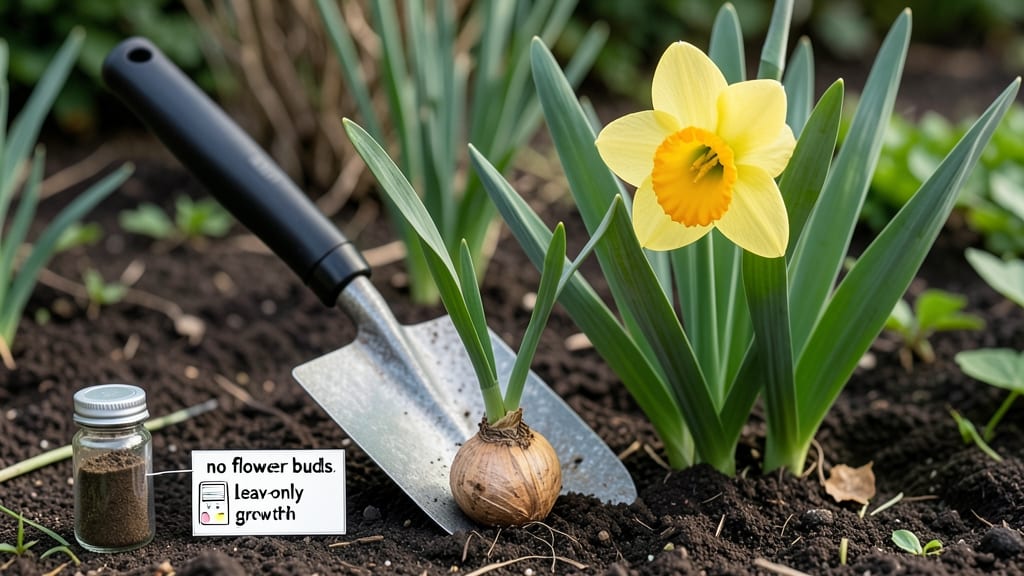
Why didn’t my daffodils bloom this year?—but there’s always a fix. 🌱 I’ve seen this happen more than I’d like to admit, and the good news is that daffodils are tougher than they look. Nine times out of ten, it’s one of five simple mistakes: planting too deep, not enough sunlight, overcrowded bulbs, or waiting too long for them to mature.
The most common culprit? Planting depth. Daffodils need their noses (the very tip of the bulb) just 1-2 inches below soil. Any deeper, and they’ll struggle to push through. Sunlight matters too—6+ hours of direct light is non-negotiable.
If your garden spot is shady, move them closer to the house or try a container where you can control their light exposure.
Here’s the silver lining: daffodils are patient. Even if they skip blooming this year, they’re storing energy underground. Next spring, give them a balanced fertilizer in early fall (like 10-10-10) and divide clumps if they’re overcrowded.
Within a season or two, those yellow trumpets will be back—bigger and brighter than ever.
Don’t panic if your neighbors’ daffodils are already blooming. Bulbs take 2-3 years to fully establish, and stress (like drought or poor soil) can delay flowers. The key is consistency: good drainage, regular watering, and a little extra care in their first few years. You’ve got this!
Common Culprits Behind Skipped Blooms
Daffodils are hardy, cheerful plants that should reward you with vibrant blooms year after year—but when they don’t, it’s often due to one (or more) of these overlooked factors. Let’s dig into the science behind why your daffodils might have thrown a bloomless tantrum this season.
---
Daffodils thrive in full sun to partial shade (6+ hours of sunlight daily), but too little light or sudden shade shifts can stunt flowering. Here’s why: - Photosynthesis slowdown: Daffodils need sunlight to produce energy for bulb growth and flower buds.
In shady spots, they prioritize foliage over blooms. - Late planting shadows: If nearby trees or structures grew taller since planting, they may have blocked light just as the bulbs needed it to form flower stalks. - Post-bloom shade: Even after flowers fade, leaves must photosynthesize for 6–8 weeks to store energy for next year’s blooms.
Cutting them too soon = no fuel for future flowers.
Fix it: - Move bulbs to a sunnier spot (but avoid scorching afternoon sun in hot climates). - Thin out overgrown shrubs or prune trees to restore light access. - Pro tip 💡: If relocating, dig and transplant bulbs in early fall (before their next dormancy cycle).
---
Daffodils are drought-tolerant but hate soggy soil or dry spells during critical growth phases. The science: - Overwatering: Bulbs rot in waterlogged soil (especially in winter), preventing new flower buds from forming.
Fungal diseases like Fusarium can also block nutrient uptake. - Underwatering: During bulb rooting (fall) and shoot emergence (early spring), lack of moisture stresses the plant, diverting energy away from bloom production. - Irregular watering: Uneven moisture triggers osmotic stress, where bulbs can’t absorb nutrients efficiently, leading to weak or no flowers.
Fix it: - Water deeply (1–2 inches per week) during fall planting and spring shoot growth, but reduce once foliage yellows. - Improve drainage: Amend clay soil with compost or sand, and plant bulbs on a slight mound. - Mulch lightly (1–2 inches of straw or shredded leaves) to retain moisture without suffocating bulbs.
---
Daffodils need cold stratification (a period of cool temps) to break dormancy and trigger blooming. If temps are off, they’ll skip the show: - Too warm in winter: Bulbs stored above 40°F (4°C) may not get the chill signal to bloom.
(This is common in mild-winter zones or unheated garages.) - Early spring heatwave: If temps spike before the last frost, flower buds can abort (a survival mechanism to conserve energy). - Late planting: Bulbs need 8–12 weeks in the ground before winter to establish roots.
Planting in October or later may leave them too young to bloom.
Fix it: - Chill test: If storing bulbs indoors over winter, refrigerate them at 35–40°F (2–4°C) for 10–12 weeks before planting. - Adjust planting time: Aim for 6–8 weeks before your first hard frost (typically September–early October in most zones). - Mulch for insulation: A 3-inch layer of leaves or straw helps regulate soil temps in extreme climates.
---
Daffodils are light feeders—too much fertilizer (especially high-nitrogen) can backfire by encouraging lush foliage at the expense of blooms.
The breakdown: - Nitrogen overload: Excess N promotes leafy growth but starves flower buds of phosphorus (P) and potassium (K), which are critical for bloom development. - Phosphorus shortage: P is the "bloom booster." Without it, bulbs can’t form strong flower stalks.
Signs: Stunted growth or purple-tinged leaves. - Potassium deficiency: K helps regulate water and disease resistance. Low K = weak stems that may snap before blooming.
Fix it: - Feed lightly: Use a balanced fertilizer (10-10-10) at planting, then a low-N, high-P/K (5-10-10) in early spring only if soil tests show deficiencies. - Compost is key: Mix in 2–3 inches of well-aged compost at planting time for slow-release nutrients. - Avoid spring fertilizers: Never feed after flowers appear—it can shorten bloom time or cause bulb rot.
---
Even healthy daffodils take 2–3 years to mature and bloom reliably. Here’s what can derail them: - Too shallow/deep planting: Bulbs need 6–8 inches of soil cover (twice their height).
Shallow planting = exposed to temps/drought; too deep = stunted growth. - Old or diseased bulbs: Bulbs live 3–5 years before declining.
Overcrowding or pests (like squirrels or voles) can damage or eat them entirely. - Dividing too late: If you split bulbs in late spring or summer, they won’t have time to regrow roots before winter, delaying (or canceling) next year’s blooms.
Fix it: - Plant correctly: Dig holes 6 inches deep, place bulbs pointy end up, and cover with soil (not mulch). - Inspect bulbs: Discard any soft, moldy, or shriveled bulbs. Soak healthy ones in neem oil solution (1 tsp oil + 1 quart water) for 10 minutes to deter pests. - Divide in fall: Lift and separate bulbs after foliage yellows (6–8 weeks post-bloom) and replant immediately.
---
🔍 Quick Diagnosis Table:
Need help narrowing it down? Check these signs:
Symptom
Likely Cause
No leaves and no flowers
Bulb rot, overwatering, or pests
Leaves but no flower stalks
Nitrogen overload, shade, or old bulbs
Flower stalks but no blooms
Phosphorus deficiency or heat stress
Sparse or weak blooms
Potassium deficiency or poor drainage
Quick Fixes For Daffodils
Disappointed by your daffodils' lack of blooms this year? Don’t worry—most issues have simple, actionable solutions. Below, we match the most common causes to their fixes, so you can get your garden back on track for next spring. 🌱💐
🌡️ Too Much or Too Little Sunlight
Daffodils thrive in full sun to partial shade (6+ hours of sunlight daily). If they’re in deep shade, they may not bloom at all.
- Fix: Relocate bulbs to a sunnier spot in your garden. If space is limited, try a south-facing area or a raised bed for better light exposure.
- Prevention:
- 💡 Test your garden’s sunlight: Place a stake in the ground where you planted daffodils. Mark the sunniest and shadiest hours over a week to assess light conditions.
- 🌞 Use reflective surfaces: Light-colored mulch or a nearby wall can bounce extra sunlight onto your bulbs.
💧 Overwatering or Poor Drainage
Daffodils hate soggy roots. If your soil stays waterlogged, bulbs can rot before they bloom.
- Fix:
- ⏰ Adjust watering: Water deeply once a week (or when the top 2 inches of soil are dry). Reduce watering in fall/winter to prevent rot.
- 🏗️ Improve drainage: Amend heavy clay soil with compost or sand (50/50 mix). Plant bulbs in raised beds if drainage is chronically poor.
- Prevention:
- 🔥 Avoid low spots: Never plant daffodils in areas where water pools after rain.
- 🌡️ Mulch lightly: Use 2–3 inches of organic mulch (like straw or shredded leaves) to retain moisture without suffocating bulbs.
🍽️ Nutrient Deficiencies or Over-Fertilizing
Too much nitrogen (from lawn fertilizer) promotes leaves over blooms, while poor soil weakens bulbs entirely.
- Fix:
- 📊 Test your soil: Use a DIY soil test kit (pH 6.0–7.0 is ideal for daffodils). Adjust with lime (to raise pH) or sulfur (to lower it).
- 💪 Feed right: Apply a balanced, low-nitrogen fertilizer (like 5-10-10) in early fall when planting or in late winter before growth starts.
- Prevention:
- ✨ Avoid lawn fertilizer: Skip high-nitrogen lawn foods near daffodil beds—they’ll make your bulbs grow leaves instead of flowers.
- 🥗 Add compost: Mix in 2–3 inches of compost at planting time for slow-release nutrients.
🌡️ Planting Depth or Timing Issues
Daffodils need proper depth and timing to store energy for blooms. Planting too shallow or at the wrong time can starve them.
- Fix:
- 🔪 Replant correctly: Dig up bulbs and replant them at 6–8 inches deep (twice the bulb’s height) with the pointy end up.
- ⏰ Plant at the right time: For spring blooms, plant bulbs in fall (6–8 weeks before frost) so they establish roots before winter.
- Prevention:
- 🎯 Mark your calendar: Set a reminder for September–October (Northern Hemisphere) to replant or divide bulbs.
- 🌱 Divide overcrowded clumps: Every 3–5 years, dig up bulbs, separate offsets, and replant to revive blooming.
🐞 Pests or Disease Damage
Squirrels, deer, or bulb-eating pests (like squirrel or vole) can dig up or chew bulbs, while fungal diseases (like basal rot) weaken them.
- Fix:
- 🛡️ Protect bulbs:
- Use wire mesh cages (1/4-inch hardware cloth) over newly planted bulbs to deter digging animals.
- Apply granular repellent (like hot pepper wax) around the planting area.
- 💊 Treat disease: If you spot mushy, discolored bulbs, remove them immediately. Replant in fresh, sterile soil and avoid overwatering.
- 🛡️ Protect bulbs:
- Prevention:
- 🔥 Plant in groups: Cluster daffodils together—their toxic sap deters pests better than isolated bulbs.
- 🌡️ Choose disease-resistant varieties: Try ‘Tête-à-Tête’ or ‘Ice Follies’, which are less prone to rot.
With these fixes, your daffodils should bloom beautifully next spring! Start with the most likely culprit in your garden, and don’t forget to celebrate small wins—like stronger foliage or even a single flower. 🌸💛
Frequently asked questions
My daffodils have leaves but no flower stalks—what’s wrong?
This usually means your bulbs are getting too much nitrogen or not enough sunlight. Daffodils prioritize leaf growth when they’re overfed (especially with lawn fertilizer) or shaded. Try moving them to a sunnier spot and switch to a low-nitrogen, high-phosphorus fertilizer (5-10-10) next fall.
Can I still get blooms if I planted daffodils too late last fall?
Possibly, but it’s unlikely for first-year blooms. Daffodils need 8–12 weeks in the ground before winter to establish roots. If you planted in November or later, focus on helping them root this fall—your bulbs may bloom next spring. Mark your calendar for September planting next year!
Why did my daffodils bloom last year but not this year?
This is often a sign of overcrowding or old bulbs. Daffodils multiply over time, and crowded clumps compete for nutrients. Dig up your bulbs after foliage dies back, separate the offsets, and replant them 6–8 inches deep. You’ll likely see blooms return within 1–2 years.
Do daffodils need winter chill to bloom?
Yes! Daffodils require cold stratification (6–8 weeks below 40°F/4°C) to trigger blooming. In mild climates, store bulbs in a cool garage or refrigerator before planting. If your area has warm winters, try ‘February Gold’ varieties—they bloom earlier and need less chill time.
Will cutting back daffodil leaves after blooming prevent next year’s flowers?
Never cut leaves until they fully yellow—they photosynthesize for 6–8 weeks after blooming to fuel next year’s flowers. If you cut them too soon, you’ll starve your bulbs. For a tidy look, wait until leaves turn brown before trimming.