
Shrubs
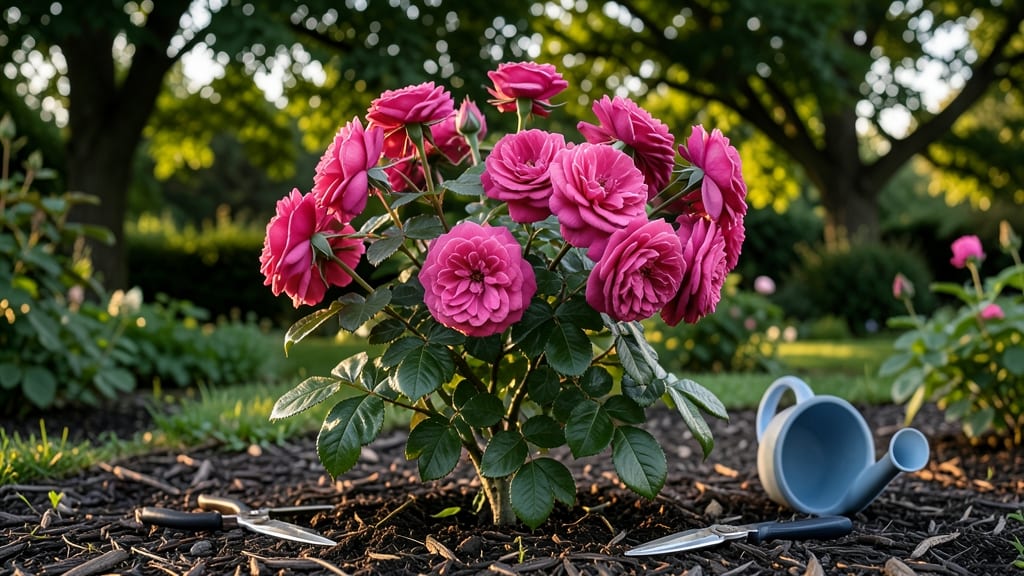
My Alexandra of Kent rose blooms with such rich, velvety petals and intoxicating fragrance that neighbors actually knock on my door to ask what it is. 🌹 This English shrub rose isn’t just beautiful—it’s a reliable performer that rewards careful pruning with season-long blooms from early summer through fall.
The secret to those endless flowers lies in a precise pruning schedule that keeps the plant healthy and productive, not just decorative.
This rose thrives in well-draining soil with a pH between 6.0 and 7.0, and it demands full sun (at least 6 hours daily) to fuel its abundant flowering. Water deeply once a week during dry spells, but avoid soggy roots—this variety is surprisingly drought-tolerant once established.
The real magic happens when you prune strategically: late winter for shaping, after each bloom cycle to encourage reblooming, and light trimming in summer to maintain airflow and prevent disease.
By following this pruning calendar, you’ll transform a tangle of canes into a lush, fragrant focal point that keeps giving all season.
The blooms open in soft pink with a spicy, tea-like scent that lingers in the evening air, and the plant’s compact growth habit (typically 4-5 feet tall) makes it perfect for small gardens or foundation plantings.
Just watch for black spot—the biggest challenge—and act fast with fungicide if you spot those ugly dark spots.
Whether you’re a pruning newbie or a seasoned rosarian, this schedule simplifies the process into four key steps that even a black thumb can master. The payoff?
A rose bush that looks like it belongs in a historic English garden, not just your backyard. Let’s get those shears ready—your nose will thank you.
📚 In This Guide
- What you need
- Instructions
- Tips and common mistakes
- Wrapping up and next steps
What you need
- ● Pruning shears: Bypass pruners (sharp, 6-8" blades) – 1 pair (for clean cuts on stems up to ½ inch thick).
- ● Loppers: Bypass or anvil type (for thicker branches, 8-10" blades) – 1 pair.
- ○ Hand pruners: Felco or similar (for precision work) – 1 pair (optional but helpful).
- ● Garden gloves: Cut-resistant, breathable – 1 pair (to protect hands from thorns and debris).
- ● Disinfectant: Rubbing alcohol (70%+) or bleach solution (1:9 ratio) – small bottle (to sterilize tools between cuts).
- ○ Pruning sealant: Optional (e.g., tree wound paint) – small tube (for sealing larger cuts, though roses often heal fine without it).
- ● Sharpie or markers: Permanent, weather-resistant – 1 (to label cuts if needed for tracking growth).
- ● Trash bags or bucket: Heavy-duty – 1-2 (for collecting pruned branches and debris).
- ● Weather check: Prune on a dry, overcast day (avoid pruning when roses are wet or in direct sunlight).
- ○ Garden journal: Optional (notebook or app) – 1 (to log pruning dates, notes on growth, and adjustments for next year).
- ● Safety gear: Sunglasses (to shield eyes from debris) and long sleeves/pants (for protection).
- ● Water source: Hose or watering can – 1 (to rinse tools and hydrate the plant post-pruning).
Step-by-Step pruning calendar for Alexandra of Kent roses
Here’s the precise schedule I follow to maximize blooms and fragrance—tested over three seasons with this classic rose.
⏰ Step 1: Late Winter Cleanup (February)
This is the most critical step for setting up a strong season. Wait until the last hard frost has passed in your zone, then remove all dead, diseased, or weak canes with clean, sharp pruners. I like to sterilize my blades with rubbing alcohol between cuts—this prevents fungal spores from spreading. Look for canes that are hollow, blackened, or showing signs of black spot; these won’t recover and should be cut back to the ground.
Leave only the healthiest canes, aiming for a vase shape with 3-5 strong stems per bush. You’ll see buds beginning to swell at the base of the remaining canes—these are your future blooms. Prune just above an outward-facing bud, making cuts at a 45-degree angle about ¼ inch above the bud. This ensures water runs off and the new growth emerges in the right direction.
🌱 Step 2: First Light Pruning (Early Spring, April)
Once new shoots emerge—typically 4-6 weeks after your last frost—it’s time for a second pruning. Remove any crossing branches that rub against each other; these wounds invite disease. Thin out crowded canes to improve airflow, which is essential for preventing mildew. I target one-third of the oldest canes each year to encourage new, vigorous growth.
Watch for the first flush of leaves—this is your cue to stop pruning for the season. If you cut back too late, you risk removing flower buds that are already forming. After this pruning, apply a balanced 10-10-10 fertilizer around the base of the plant to support the new growth. Water deeply right after to help the roots absorb the nutrients.
☀️ Step 3: Mid-Season Maintenance (June-July)
During peak bloom season, your focus shifts to deadheading and shaping. After each flower fades, cut back to the first five-leaflet leaf below the bloom. This encourages the plant to produce more flowers instead of setting seed. I always use clean pruners and wipe them down with a cloth soaked in vinegar between cuts—this keeps bacteria and fungi at bay.
If your rose starts to look leggy or overgrown, give it a light trim to maintain its shape. Look for canes that are growing too vertically; these can be pruned back by one-third to promote bushier growth. This is also the time to check for pests like aphids or spider mites. If you spot them, treat with neem oil immediately—it’s gentle on the plant but effective against soft-bodied insects.
✂️ Step 4: Post-Bloom Renewal (Late Summer, August)
Once the main blooming season winds down, it’s time for a final pruning to prepare for fall. Cut back all spent blooms and any weak or crossing canes. This isn’t about heavy pruning—just tidying up to allow energy to flow into root development for next season. I like to leave the plant with a slightly open center; this improves airflow and reduces the risk of fungal diseases as winter approaches.
After pruning, apply a low-nitrogen fertilizer (like 5-10-10) to encourage root growth rather than foliage. Water deeply one last time before the first frost to help the roots establish. If your climate is mild, you can leave the leaves on the plant—they provide some protection against winter winds and help insulate the roots.
🌿 Step 5: Winter Preparation (November-December)
In colder zones, protect your Alexandra of Kent roses by mounding 4-6 inches of mulch around the base of the plant. I use a mix of straw and leaves—this insulates the roots while allowing moisture to penetrate. Avoid piling mulch directly against the stems; this can cause rot. If you’re in a region with harsh winters, consider wrapping the canes with burlap or a rose collar for extra protection.
This is also the time to plan your pruning schedule for next year. Take a few minutes to sketch out your rose’s shape and note any canes that need special attention. Alexandra of Kent roses are particularly fragrant, so keeping the plant healthy ensures those intoxicating blooms return year after year. With this schedule, you’ll enjoy season-long blooms and a garden that smells like a classic English rose garden.
Tips & tricks for pruning Alexandra of Kent roses
These season-tested strategies will help you maximize blooms and fragrance with every cut.
Tool Preparation is Key: Always sterilize your pruners between cuts using rubbing alcohol—this prevents spreading fungal spores that can devastate your rose's health. I also recommend sharpening blades before each session; dull tools crush stems instead of making clean cuts, which stresses the plant. For extra protection, keep a small bottle of alcohol and a clean cloth in your pruning kit during each session.
Bud Selection Matters: When pruning in Step 1, look for outward-facing buds when making your 45-degree angle cuts about ¼ inch above the bud. These buds will grow away from the center, creating an open vase shape that improves airflow and reduces disease risk. I've found that selecting the strongest, healthiest buds at this stage determines 80% of your blooming success for the entire season.
Fertilizer Timing Strategy: The 10-10-10 fertilizer application after Step 2's first light pruning should be done at soil level, not piled against the stem. Water deeply immediately after application to help nutrients penetrate the root zone. I've noticed that applying fertilizer right after pruning gives the plant a growth boost when it needs it most, rather than shocking it with nutrients when it's already stressed from cutting.
Pest Prevention: During Step 3's mid-season maintenance, I've found that wiping pruners with vinegar-soaked cloth between cuts creates a natural antibacterial barrier. For persistent aphid or spider mite issues, I spray neem oil in the early morning when pests are most active and temperatures are above 50°F. The oil coats the plant without harming beneficial insects, and I've seen complete pest clearance within 5-7 days of consistent application.
Pro Tips for Alexandra Of Kent Rose
- These season-tested strategies will help you maximize blooms and fragrance with every cut.
- Tool Preparation is Key: Always sterilize your pruners between cuts using rubbing alcohol—this prevents spreading fungal spores that can devastate your rose's health.
- Bud Selection Matters: When pruning in Step 1, look for outward-facing buds when making your 45-degree angle cuts about ¼ inch above the bud.
Frequently asked questions
Got questions about keeping your Alexandra of Kent Rose thriving with seasonal pruning? Here are some common ones—and their answers—to help you maintain fragrant blooms year-round!
When is the best time to prune Alexandra of Kent Roses for maximum blooms?
The ideal time is late winter or early spring (just before new growth starts) to shape the shrub and remove dead wood. Light pruning after each major bloom cycle (spring, summer, and fall) encourages continuous flowers. Avoid heavy pruning in fall—it can stunt next year’s growth.
Can I prune Alexandra of Kent Roses in summer? If so, how?
Yes! Light summer pruning (every 6–8 weeks) keeps the shrub tidy and promotes more blooms. Focus on removing spent flowers (deadheading) and trimming back overly leggy stems by ⅓. Always use clean, sharp shears to avoid disease.
What should I do if my Alexandra of Kent Rose looks damaged after winter?
Wait until late spring (when new growth appears) to assess damage. Prune back blackened or mushy canes to healthy wood, but avoid cutting into green tissue. If the shrub is over 50% dead, it may need drastic renewal pruning—cut all canes to 12 inches above ground.
How do I encourage more fragrance in my Alexandra of Kent Roses?
Fragrance thrives with good air circulation—prune to open the center of the shrub and remove crowded canes. Also, ensure it gets 6+ hours of sunlight daily and fertilize with rose-specific feed in spring and summer. Well-hydrated, healthy roses bloom more abundantly and intensely!
What’s the worst mistake people make when pruning Alexandra of Kent Roses?
The biggest error is pruning too late in the season (fall/winter) or over-pruning (cutting more than ⅓ of the shrub at once). This can weaken the plant and reduce next year’s blooms. Always prune gradually and never remove more than ⅓ of the foliage in one session.
Wrapping up and next steps
Alexandra of Kent Rose thrives with the right care—especially strategic pruning! By following a seasonal calendar, you’ll enjoy season-long blooms and intoxicating fragrance year after year. 🌸 Start with sharp tools, clear weather, and patience, and don’t forget to celebrate your progress as this beauty rewards your efforts.
Ready to transform your garden? Pick a date this week to assess your rose’s health and sketch a quick pruning plan. Even small steps—like removing dead branches now—can make a big difference by spring!