
Shrubs
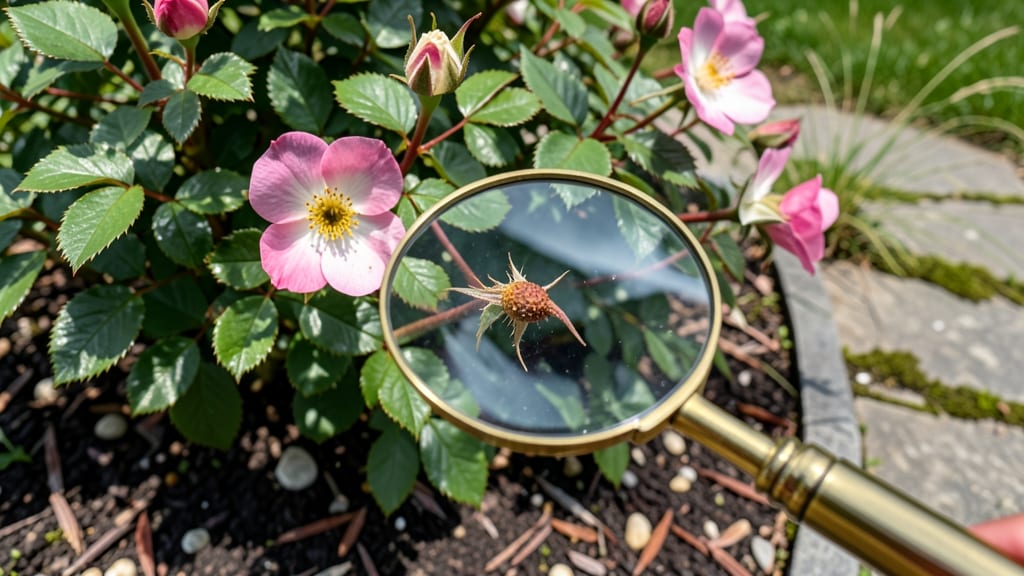
If you're allergic to rose thorns, you may experience skin irritation, redness, or itching from direct contact with thorns or pollen, often caused by urushiol-like compounds or plant proteins. Symptoms can range from mild rashes to swelling, so careful handling and hypoallergenic rose varieties are essential.
Rose thorn allergies typically stem from your immune system reacting to proteins in the plant's sap or pollen, similar to how poison ivy triggers reactions. 🌹 The compounds in rose thorns can cause localized skin reactions within hours of contact, with symptoms often worsening if you scratch the affected area.
Some people also experience cross-reactivity with other plants in the same botanical family, like honeysuckle or grapes. To minimize exposure, always wear gloves when pruning roses and choose varieties with fewer thorns or hypoallergenic properties.
For those who love gardening but need to avoid allergic reactions, opting for thornless roses like 'Double Delight' or 'Knock Out' roses can make a big difference. These varieties are bred to be gentler on sensitive skin while still offering beautiful blooms.
Regularly cleaning up fallen petals and pollen can also reduce airborne allergens in your garden space.
💡 In This Article
- What Causes Rose Thorn Allergies and How They Affect Skin
- Best Hypoallergenic Rose Varieties for Sensitive Gardeners
What causes rose thorn allergies and how they affect skin
The primary culprits behind rose thorn allergies are urushiol-like compounds found in the plant's sap and latex proteins that trigger immune responses. Unlike poison ivy's urushiol, rose compounds are less potent but still cause contact dermatitis in sensitive individuals.
When you prick your skin on a thorn, these compounds enter through microscopic breaks, prompting your immune system to release histamine and other inflammatory mediators.
Pollen also plays a significant role, especially during blooming seasons. Rose pollen contains protein allergens that can cause allergic rhinitis (hay fever) or exacerbate skin reactions when inhaled or transferred to the skin.
Studies show that 30-50% of rose allergy sufferers experience cross-reactivity with other plants in the Rosaceae family, including apples, peaches, and even some ornamental shrubs like hawthorn.
The severity of reactions varies widely—some people develop mild redness within 2-6 hours, while others experience intense itching, blistering, or even systemic symptoms like swelling beyond the contact site.
The skin's reaction is an IgE-mediated response, similar to other allergies, where your body mistakenly identifies rose compounds as harmful invaders. This explains why some gardeners react only to specific rose varieties while tolerating others.
Thorn density and sharpness also influence reaction severity. Hybrid tea roses, known for their long, sharp thorns (up to 2 inches), tend to cause more punctures than thornless varieties.
The deeper the puncture, the higher the risk of introducing allergens directly into the dermis layer of skin, where reactions become more pronounced. Even brushing against rose bushes can transfer pollen or sap to your skin, leading to delayed reactions.
Interestingly, rose allergies can develop at any age—even if you've handled roses safely for years. This is because sensitization (your immune system learning to react) can occur gradually through repeated low-level exposure.
For example, someone might develop an allergy after years of gardening without issues, then suddenly react after a particularly heavy pollen season or a deep thorn prick.
Understanding these mechanisms helps explain why some roses are more problematic than others. For instance, climbing roses with dense foliage trap more pollen, increasing airborne exposure, while shrub roses often have fewer thorns but may produce more allergenic pollen.
Knowing your specific triggers—whether thorns, pollen, or sap—allows you to take targeted precautions, like wearing nitrile gloves during pruning or choosing low-pollen varieties.