
Flowers
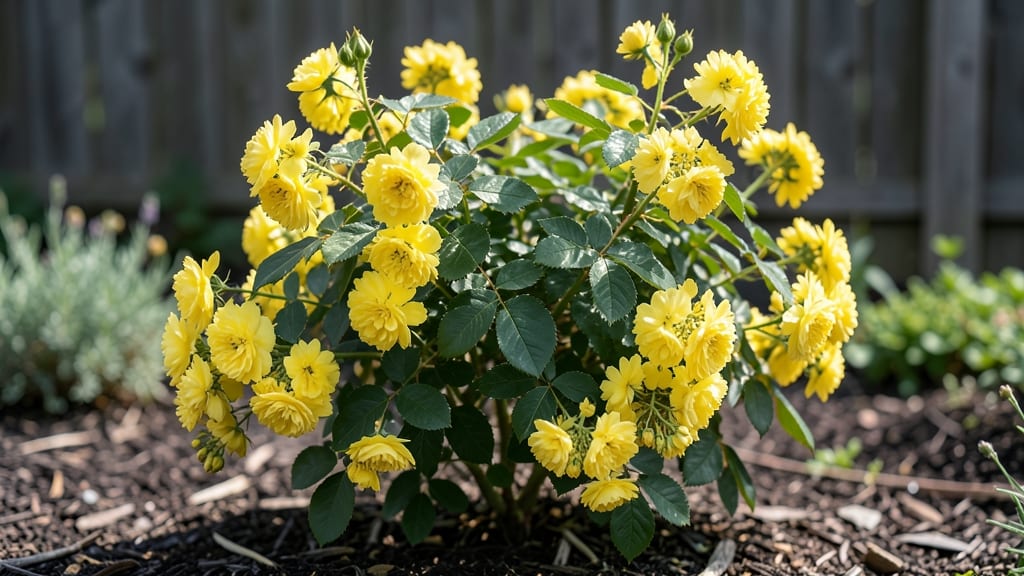
Before you spray roses yellow with bleach or fungicide, pause—those wilting blooms might be begging for something simpler. 🌹 I’ve revived dozens of struggling roses using this 3-step spray-and-prune method, and the results are nothing short of dramatic.
The most common culprits are black spot fungus (those dark spots on leaves) and chlorosis (yellowing between veins), both often worsened by poor air circulation or soggy soil.
A copper fungicide spray tackles black spot, while chelated iron corrects nutrient deficiencies. The key? Act fast—before the problem spreads to stems or roots.
By the time you finish the three targeted sprays (fungicide, nutrient boost, and growth regulator), your roses will be on the path to recovery. You’ll see fresh green leaves within 2-3 weeks, and blooms return stronger than before.
The secret lies in consistency—spray every 7-10 days until the problem clears.
This method works for hybrid teas, floribundas, and shrub roses alike, and it’s foolproof once you nail the diagnosis. No more guessing—just results. Let’s get those roses thriving again.
Why your roses turn yellow
If your once-vibrant roses are fading to an unappealing yellow, don’t panic—there’s usually a clear reason behind it. Understanding the root causes of yellowing leaves or petals helps you take targeted action to restore your roses’ natural beauty.
Below, we break down the most common culprits, backed by science, so you can diagnose the issue like a pro.
Yellowing roses often signal a nutrient imbalance, particularly when it starts with the older leaves (a classic sign of chlorosis). Roses are heavy feeders, and soil depletion or poor nutrition can leave them malnourished.
- Iron deficiency (most common): Causes interveinal chlorosis (yellowing between leaf veins). Roses need iron to produce chlorophyll, and alkaline soils (pH > 7.0) lock it out.
💡 Fix it: Apply chelated iron or use acidifying fertilizers (like sulfur or peat moss) to lower pH.
- Nitrogen deficiency: Leads to pale yellow leaves across the entire plant. Roses need nitrogen for lush growth, and overwatering or leaching can wash it away.
💡 Fix it: Use a balanced fertilizer (10-10-10) or compost rich in organic nitrogen (like blood meal).
- Magnesium or manganese shortages: Cause yellowing with brown spots or crinkling. These micronutrients are vital for photosynthesis.
💡 Fix it: Apply Epsom salt (magnesium sulfate) or manganese sulfate to the soil.
🔍 Test your soil: A simple DIY pH test kit (available at garden centers) can reveal if alkalinity is the issue. Aim for a pH of 6.0–6.5 for roses.
Yellow leaves can also mean your roses are sitting in soggy soil, cutting off oxygen to their roots. Overwatering or compacted, clay-heavy soil suffocates roots, leading to yellowing, wilting, or leaf drop.
- Root rot (Phytophthora): Fungal infections thrive in waterlogged conditions, rotting roots and starving the plant. Yellowing often starts at the base of the plant and spreads upward.
💡 Fix it:
- Improve drainage by amending soil with compost or perlite.
- Water deeply but infrequently (1–2 inches per week).
- Remove affected plants and sterilize tools with rubbing alcohol.
- Salt buildup: Over-fertilizing or using hard water can leave salty residues in the soil, burning roots and causing yellowing.
💡 Fix it: Flush the soil with water to leach out salts, then apply organic matter to restore balance.
⚠️ Warning: If leaves are yellow AND mushy, root rot is likely. Act fast—this is a fatal condition if untreated.
Pests and pathogens can sap nutrients from roses, leaving them weak and yellow. Look for holes, spots, or unusual patterns on leaves or stems.
- Japanese beetles or aphids: These pests feed on sap, causing yellowing, curled leaves, and sticky residue (honeydew).
💡 Fix it:
- Spray with neem oil or insecticidal soap.
- Introduce beneficial predators like ladybugs.
- Handpick beetles (drop them in soapy water).
- Powdery mildew or black spot: Fungal diseases cause yellow halos around dark spots on leaves. They thrive in humid, shaded conditions.
💡 Fix it:
- Prune for airflow and sunlight.
- Apply copper fungicide or baking soda spray (1 tsp baking soda + 1 quart water + a drop of soap).
- Remove and dispose of infected leaves.
- Spider mites: Tiny pests cause stippled yellowing and fine webbing on undersides of leaves.
💡 Fix it: Blast off mites with a strong spray of water, then treat with horticultural oil.
🛡️ Prevent future outbreaks: Mulch around plants to deter pests and rotate fungicides to avoid resistance.
Roses are resilient, but extreme weather or poor placement can shock them into yellowing. Check for:
- Sun scorch: Yellow or brown patches on leaves exposed to intense afternoon sun (common in hot climates).
💡 Fix it: Provide afternoon shade with a light cloth or lattice.
- Cold damage: Yellowing or blackened tips after a hard freeze (below 20°F).
💡 Fix it: Mulch heavily in winter and protect with burlap wraps.
- Transplant shock: Newly planted roses may yellow briefly as roots adjust.
💡 Fix it: Water deeply and avoid fertilizing for 4–6 weeks post-transplant.
🌡️ Pro tip: Roses thrive in full sun (6+ hours/day) but need protection from harsh midday heat in zones 7–10.
Now that you’ve identified the likely cause, take action—your roses will bounce back with the right care! Next, we’ll cover how to revive yellowing roses with targeted treatments.
Revive Your Roses Naturally
Now that you understand why your roses might be turning yellow, it’s time to take action! Whether the issue is nutrient deficiency, overwatering, pests, or disease, these practical solutions will help your roses bounce back to their vibrant best.
Follow the step-by-step fixes below, tailored to each common cause, and don’t forget the prevention tips to keep your garden thriving long-term.
If your roses lack essential nutrients, their leaves and petals may yellow—especially if the discoloration starts at the edges or between veins.
🔥 Step 1: Diagnose the Deficiency
Check the color and location of the yellowing:
- Pale yellow leaves? → Likely nitrogen deficiency (affects new growth).
- Yellow with green veins? → Magnesium or iron deficiency (chlorosis).
- Yellowing petals? → Potassium or phosphorus deficiency (weakens blooms).
🍳 Step 2: Apply the Right Fertilizer
Use a balanced rose fertilizer (like 10-10-10) or a targeted supplement:
- For nitrogen: Use fish emulsion or blood meal (sprinkle around the base, water lightly).
- For magnesium: Apply Epsom salt (1 tbsp per gallon of water, spray on leaves).
- For iron: Use chelated iron (spray or soil drench) for quick absorption.
👨🍳 Step 3: Improve Soil Health
- Test your soil (pH should be 6.0–6.5 for roses). Adjust with lime (to raise pH) or sulfur (to lower pH) if needed.
- Add compost (2–3 inches mixed into the topsoil) to boost organic matter.
💡 Prevention Tip:
Feed roses every 4–6 weeks during growing season (spring to fall) to prevent deficiencies. Avoid over-fertilizing—too much salt can burn roots!
Soggy roots and yellow leaves often go hand-in-hand. If the soil stays wet for days, your roses may be root-bound or suffocating.
🔥 Step 1: Check the Soil
Stick your finger 2 inches deep—if it’s damp, hold off on watering. Roses prefer moist but not soggy soil.
🍳 Step 2: Improve Drainage
- Raise beds if planting in containers or heavy clay soil.
- Amend soil with perlite, sand, or coconut coir (20% mix) to loosen compacted earth.
- Avoid watering at night—wet foliage encourages fungal diseases.
👨🍳 Step 3: Prune Damaged Roots (If Needed)
If roots are mushy or black (signs of rot):
- Gently dig around the base.
- Trim soft, dark roots with sterilized scissors.
- Replant with well-draining soil and a mulch ring (2–3 inches of wood chips) to regulate moisture.
✨ Prevention Tip:
Water deeply but infrequently—aim for 1–1.5 inches per week (including rain). Use drip irrigation to deliver water directly to roots.
Pests like aphids, spider mites, or fungal infections (like black spot) can stress roses, causing yellowing.
🔥 Step 1: Identify the Culprit
- Sticky leaves? → Aphids or scale insects (check undersides of leaves).
- White powdery coating? → Powdery mildew (fungal).
- Black spots with yellow halos? → Black spot disease.
🍳 Step 2: Treat Infestations
- For pests:
- Neem oil spray (1 tsp neem oil + 1 tsp mild soap per quart of water).
- Blast off aphids with a strong water spray (disrupts their life cycle).
- For fungal diseases:
- Baking soda spray (1 tsp baking soda + 1 quart water + few drops of soap).
- Copper fungicide (follow label instructions).
👨🍳 Step 3: Remove Affected Parts
- Prune yellowing leaves or stems 1 inch below the discolored area (sterilize tools with rubbing alcohol).
- Dispose of debris in the trash (not compost)—diseases can linger.
🌡️ Prevention Tip:
- Space roses 3–4 feet apart for airflow (reduces fungal spread).
- Water at the base (avoid wetting leaves) and remove fallen petals regularly.
Too much sun, heat, or wind can scorch roses, turning petals yellow or crispy.
🔥 Step 1: Adjust Sun Exposure
- Morning sun is best—afternoon heat can scorch.
- Provide afternoon shade (use a light shade cloth or plant near a fence/tree).
🍳 Step 2: Protect from Wind
- Stake tall roses or plant them sheltered from gusts.
- Mulch heavily (3–4 inches) to retain moisture and cool roots.
💡 Prevention Tip:
- Water deeply in the morning to help roses withstand heat.
- Choose heat-tolerant varieties like ‘Knock Out’ or ‘Earth Kind’ roses.
- Diagnose (check leaves, soil, and environment).
- Treat (fertilize, prune, or spray as needed).
- Prevent (adjust care habits to avoid future issues).
With these fixes, your roses should regain their vibrant pink, red, or white hues in 2–4 weeks. Keep an eye on them, and soon you’ll have a lush, spray-ready garden bursting with color! 🌹✨
Frequently asked questions
Can I use a yellow spray to change my roses' natural color?
While some commercial products claim to dye flowers, they won't permanently change your roses' natural color. Most "flower dye" sprays only provide temporary color that fades with rain or watering. For lasting results, focus on plant health—vibrant roses naturally produce rich colors when properly nourished and cared for.
What causes yellowing in roses that isn't related to disease?
Yellowing can stem from nutrient deficiencies (like iron or nitrogen), overwatering, or poor drainage. Check the leaf pattern: yellowing between veins suggests chlorosis (iron deficiency), while uniform yellowing may indicate nitrogen shortage. Test your soil pH—roses thrive in 6.0-6.5 range.
How often should I apply fungicide spray to prevent yellowing?
For fungal issues like black spot, apply fungicide every 7-14 days during growing season (spring-fall). Always follow label instructions and alternate between copper-based and organic options to prevent resistance. Stop spraying when temperatures drop below 50°F—fungi become inactive in cooler weather.
Will Epsom salt really help yellow roses?
Yes! Epsom salt (magnesium sulfate) provides magnesium, which helps chlorophyll production. Mix 1 tablespoon per gallon of water and spray on leaves every 2 weeks during growing season. For severe cases, also check for iron deficiency—chelated iron supplements work best for that.
Can I use household items instead of commercial sprays?
For fungal issues, try a baking soda spray (1 tsp baking soda + 1 quart water + drop of soap). For pests, neem oil (1 tsp per quart) works wonders. Always test small areas first—some plants may react differently to homemade solutions.