
Pruning
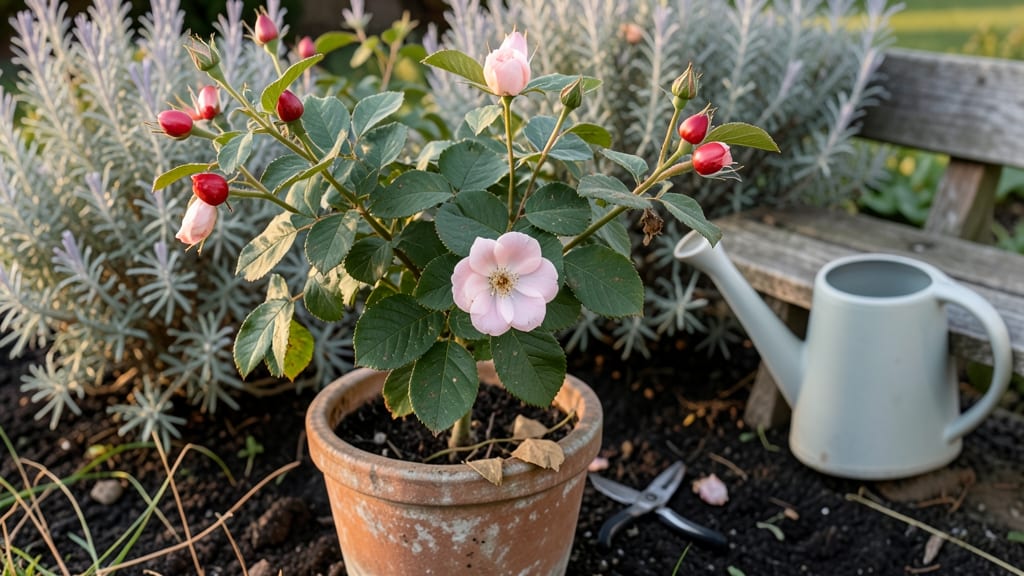
My allergy to roses was making me miserable—sneezing, itchy eyes, and skin that felt like sandpaper after just a few minutes in the garden. ✂️ The solution?
Pruning with precision to minimize allergens while keeping your vines healthy and blight-free. You don’t have to give up roses entirely—just learn how to handle them right.
Timing matters most: prune on a dry, overcast day when pollen counts are low, and always wear long sleeves, gloves, and a mask to block airborne irritants.
Cut just above an outward-facing bud at a 45-degree angle to encourage strong new growth while reducing the amount of pollen-filled foliage you’re exposed to.
By the end of the season, you’ll have roses that bloom abundantly without triggering your allergies—and your garden will look even better with cleaner, disease-resistant vines. The key is consistency: prune in late winter or early spring, then again after each major bloom cycle.
For extra protection, consider hypoallergenic varieties like ‘Knock Out’ roses or ‘Dr. Huey’—they produce far less pollen than traditional hybrids. And if roses are just too much trouble, sunflowers or marigolds make stunning, allergy-friendly alternatives that still bring color to your garden.
📚 In This Guide
- What you need
- Instructions
- Tips and common mistakes
- Wrapping up and next steps
What you need
- ● Pruning shears – Bypass pruners (sharp, clean, and sterilized with rubbing alcohol or bleach solution). Quantity: 1 pair.
- ● Loppers – For thicker branches (up to 2 inches in diameter). Quantity: 1 pair.
- ● Hand pruners (felco or similar) – For precision cuts on smaller stems. Quantity: 1 pair.
- ● Disposable gloves – Nitrile or latex-free (if you have a latex allergy). Quantity: 1–2 pairs.
- ● Rubbing alcohol (70% isopropyl) or bleach solution – For sterilizing tools between cuts. Quantity: Small bottle or spray.
- ● Trash bags or bucket – For collecting pruned debris (seal tightly to contain allergens!). Quantity: 1–2 large bags or 1 bucket.
- ● Hose with nozzle – For cleaning tools and rinsing cuts. Quantity: 1.
- ○ Pruning sealant (optional but recommended) – Tree wound dressing (like Tanglefoot or similar) for large cuts. Quantity: Small tube.
- ● Safety glasses – Protects eyes from debris. Quantity: 1 pair.
- ● Long sleeves/pants – Covers skin to reduce contact with sap or allergens.
- ● Antihistamine spray – For immediate relief if you’re sensitive to rose pollen.
- ● Marking spray or flags – Helps identify canes to remove (e.g., dead or diseased wood).
- ● Knee pads – Makes pruning low-growing roses more comfortable!
Pruning guide for safe, blight-free roses
Here's how to transform your roses into allergy-friendly, healthy vines without sacrificing beauty.
✂️ Step 1: Time Your Pruning for Allergy Control
Prune roses after their blooming season—typically late fall or early spring—when pollen production is minimal. I wait until after the first hard frost in fall, as this signals dormancy and reduces airborne allergens. Never prune during active blooming, as you'll release trapped pollen and trigger reactions.
Use clean, sharp pruners (disinfected with rubbing alcohol) to make 45-degree cuts just above an outward-facing bud. This encourages outward growth, improving airflow and reducing fungal spores that worsen allergies. Avoid cutting into old wood—look for green, flexible canes when pruning in late winter.
✂️ Step 2: Remove Diseased and Crowded Canes
Start by inspecting each cane for signs of black spot, powdery mildew, or canker—common fungal issues that aggravate allergies. Snip away any blackened leaves, dead wood, or cankers immediately, disposing of them in a sealed bag. Never compost infected material, as spores can survive and reinfect your roses.
Next, thin out overcrowded canes to improve sunlight penetration. Aim for 3-5 strong, healthy canes per bush, spaced evenly. This reduces humidity trapped in dense foliage, which fuels fungal growth. Watch for crossing branches—these create wounds where pathogens enter, so prune one of the two to maintain an open center.
🌿 Step 3: Shape for Airflow and Allergy Reduction
Step back and visualize the bush’s natural shape—roses thrive when pruned to a rounded, vase-like form. Start at the base and work upward, cutting back one-third of the oldest canes to encourage new growth. This prevents the bush from becoming a pollen factory by promoting vigorous, younger stems that produce fewer allergens.
Remove suckers (shoots growing from the base or graft union) immediately—they’re weak, disease-prone, and can harbor pests. Use your pruners to sever them at the soil line rather than pulling, which can damage roots. After shaping, sanitize your tools again to prevent cross-contamination between cuts.
💧 Step 4: Post-Pruning Care for Blight Prevention
Apply a copper fungicide spray (like Bordeaux mixture) to all cuts and foliage to prevent fungal infections. I use it twice a year—once after pruning and again in early summer—to create a protective barrier. Water the base deeply but infrequently, keeping soil 2-3 inches dry on the surface to discourage fungal growth.
Mulch around the base with 2-3 inches of organic mulch (like shredded bark) to suppress weeds and retain moisture. This also reduces soil-borne spores from splashing onto leaves during rain. Avoid piling mulch against the stem—keep it 2 inches away to prevent rot and improve airflow at the base.
⏰ Step 5: Monitor and Maintain Year-Round
Check roses weekly in growing season for new signs of disease or pests. Remove any yellowing leaves or buds immediately—they’re early warnings of stress or infection. I also prune lightly during summer to shape blooms and improve airflow, but avoid heavy cuts that stimulate new growth too late in the season.
In fall, apply a slow-release fertilizer (like 10-10-10) to strengthen roots for next year’s growth. This reduces the need for chemical interventions, which can sometimes worsen allergies. By late November, your roses should be pruned, sprayed, and mulched—ready to rest through winter with minimal allergen production.
Tips & tricks for safe, blight-free rose pruning
These pro techniques will help you transform your roses into allergy-friendly powerhouses while keeping them thriving year-round.
Timing is Everything: The late fall or early spring window is critical for allergy control. If you miss the first hard frost, don't panic—just wait until the following spring when buds haven't yet opened. I've learned this the hard way: pruning during active blooming releases trapped pollen and makes allergies flare up immediately. The goal is to catch roses in their dormant phase when they're naturally producing fewer allergens.
Tool Sanitation Secrets: Between us, I used to skip sanitizing my pruners between cuts for years. That changed when I noticed my roses developing black spot despite all other precautions. Now I keep rubbing alcohol in a small spray bottle and wipe down blades after every 3-5 cuts. For stubborn residue, I soak pruners in a 1:10 bleach-water solution for 10 minutes between major pruning sessions. The extra 30 seconds of sanitizing prevents fungal spread that would otherwise undo all your hard work.
Visual Cues for Perfect Cuts: When making those 45-degree cuts, look for the outward-facing bud—it should be just above your cut line. Think of it like aiming at the "face" of a clock: the bud is the 12 o'clock position, and your cut should be just below it. For cane thickness, aim for pencil-sized stems (about 1/4 inch diameter) when pruning in late winter. Thinner than that, and you're cutting into old wood that won't regenerate properly.
Mulching Mastery: That 2-3 inch layer of organic mulch isn't just for looks—it's your first line of defense against soil-borne spores. I use shredded hardwood bark because it breaks down slowly and creates a natural barrier. The key is keeping it 2 inches away from the stem to prevent rot while still protecting the base. Pro tip: Refresh your mulch every spring after it decomposes, and you'll maintain that protective layer throughout the growing season.
Pro Tips for Allergy To Roses
- These pro techniques will help you transform your roses into allergy-friendly powerhouses while keeping them thriving year-round.
- Timing is Everything: The late fall or early spring window is critical for allergy control.
- Tool Sanitation Secrets: Between us, I used to skip sanitizing my pruners between cuts for years.
Frequently asked questions
Got questions about managing rose allergies while pruning or growing roses?
Here are some of the most common concerns—and practical solutions—to keep you safe and your garden thriving.
Can I still grow roses if I’m allergic?
Yes! Many allergy-friendly rose varieties exist, like Rosa rugosa or David Austin English Roses, which produce fewer allergens. Opt for hypoallergenic types, wear gloves, and avoid pruning during peak pollen seasons (spring/summer). Always wash hands after handling roses.
When is the safest time to prune roses to avoid allergies?
Prune late winter or early spring (before buds swell) or after blooming (fall) to minimize pollen exposure. Avoid pruning during peak bloom times (May–July in most regions), when pollen counts are highest. Morning pruning is best—pollen levels drop as the day progresses.
What’s the best way to protect myself while pruning?
Wear a N95 mask, long sleeves, and gloves (nitrile or latex-free). Spray roses with water before pruning to reduce airborne pollen. Afterward, shower immediately and wash clothes separately. Keep pruned branches away from living spaces—compost them or dispose of them properly.
Are there alternatives to roses for allergy sufferers?
Consider hypoallergenic plants like lavender, marigolds, or helichrysum (everlasting daisy). For fragrance, try jasmine or gardenia, which are less likely to trigger reactions. If you love roses, grow them in containers and prune outdoors to contain pollen.
What should I do if I develop a reaction after pruning?
Stop pruning immediately and rinse skin with cold water. Take an antihistamine (like Benadryl) if symptoms (itching, sneezing) persist. For severe reactions (swelling, difficulty breathing), seek emergency care. Keep an epinephrine auto-injector handy if prescribed.
Wrapping up and next steps
Dealing with a rose allergy doesn’t mean you have to say goodbye to your garden’s beauty! By following these pruning tips, you can keep your roses thriving while minimizing irritation. Stay vigilant, wear protective gear, and enjoy your blooms safely—your garden (and your skin) will thank you! 🌹
Ready to take action? Start pruning today and transform your space into an allergy-friendly haven. Need more guidance? Check out our full pruning checklist for step-by-step support!