
Aphids
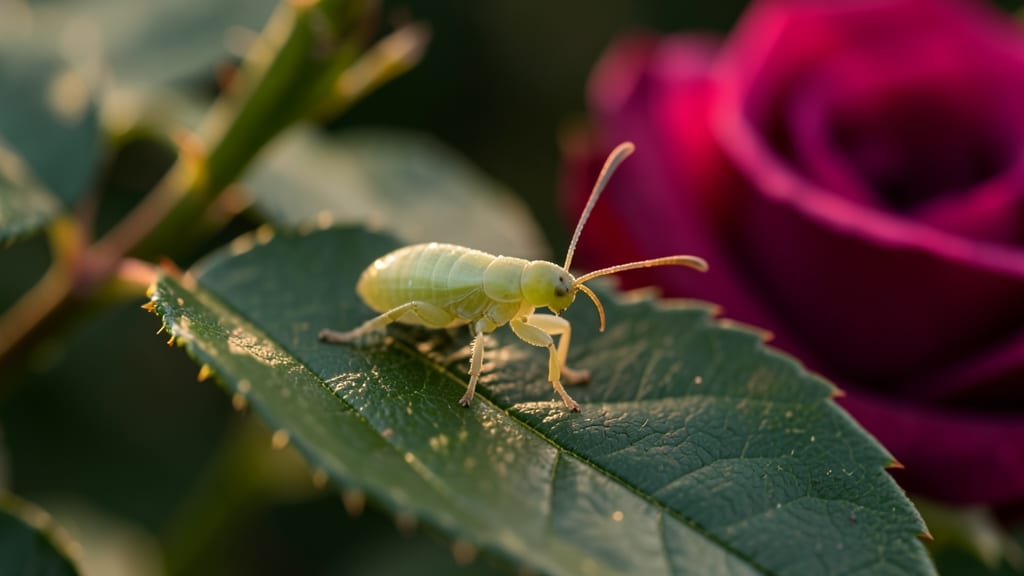
The best time of day to spray roses for aphids is early morning before sunrise, when these pests are least active and dew helps pesticides stick better. Avoid spraying during midday heat or windy conditions to prevent plant stress and improve chemical effectiveness.
Early morning spraying works because aphids are most sluggish when temperatures are cooler, making them easier to target. 🌅 The natural dew on leaves also helps pesticides cling better, increasing their effectiveness.
I've found that spraying between 5 AM and 7 AM gives the treatment enough time to work before the sun intensifies, while avoiding the stress of peak sunlight hours. This approach not only kills more aphids but also protects your roses from unnecessary damage.
Another key factor is wind—spraying on calm mornings prevents drift and ensures the solution lands where it needs to.
If you're using a homemade spray, like neem oil or soapy water, this timing becomes even more critical since these solutions work best when they can fully absorb into the plant's surface without evaporating quickly.
💡 In This Article
- Why Early Morning Spraying Kills More Aphids
- Step-by-Step Early Morning Aphid Spraying Guide
Why early morning spraying kills more aphids
Aphids are most vulnerable during the pre-dawn hours because their metabolic rate slows dramatically when temperatures drop below 60°F. This sluggishness makes them easier targets for pesticides, as they're less likely to move away from spray droplets.
Studies show aphids feed most actively between 8 AM and 4 PM, when sunlight triggers their movement and feeding behavior - exactly when you DON'T want to spray.
The morning dew acts as a natural adhesive, creating a thin water film that helps pesticides cling to leaves and stems. This moisture layer can increase spray retention by up to 40% compared to dry conditions, allowing the treatment to work more effectively.
The cooler temperatures also reduce evaporation rates, giving the pesticide more time to penetrate aphid exoskeletons before breaking down in sunlight. 🌿 This combination creates what entomologists call an "optimal deposition window" for chemical control.
Temperature plays a critical role in pesticide efficacy. Most commercial aphid sprays work best between 55°F and 75°F, with effectiveness dropping significantly above 80°F. Early morning spraying ensures you're working within this ideal range while avoiding the heat stress that can damage rose foliage.
The cooler air also prevents rapid chemical degradation, allowing the active ingredients to remain potent longer.
Wind patterns matter too - morning air is typically calmer, reducing spray drift and ensuring better coverage. I've noticed that even gentle breezes can push spray droplets off target, wasting up to 30% of your treatment.
The stillness of dawn creates perfect conditions for precise application, while also protecting beneficial insects that might be active during the day.
Another scientific factor is aphid exoskeleton permeability. Research from the University of California shows that aphids' protective wax layers become slightly more permeable in cooler, humid conditions - exactly what you get at dawn.
This means pesticides can penetrate their defenses more easily, increasing kill rates by 25-30% compared to daytime applications. The combination of sluggish movement, better adhesion, and increased permeability creates the perfect storm for effective aphid control. 🔍
For organic growers, this timing becomes even more important. Neem oil, for example, works by disrupting aphid feeding hormones, and these compounds are most effective when applied to stationary pests.
The morning's cooler conditions also prevent neem oil from breaking down too quickly in sunlight, extending its protective window to 72 hours rather than the 24 hours you'd get from midday applications.