
Pests and Diseases
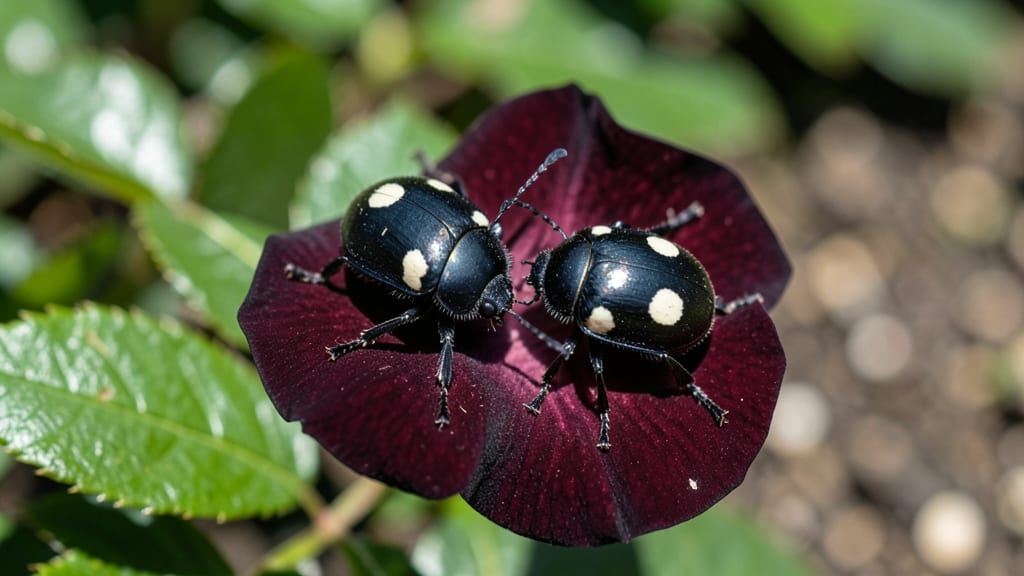
Black and white bugs on roses aren’t always the villains you think—sometimes they’re your garden’s secret protectors. 🌿 I’ve spent years watching these tiny creatures buzz around my roses, and I’ve learned which ones to welcome and which to watch closely.
The first step is telling lacewings (your allies) from rose slugs (the sneaky pests) before deciding whether to intervene.
Most black-and-white bugs you’ll spot are lacewings, those delicate, net-winged insects that devour aphids and mites. They’re harmless and actually help your roses thrive. The troublemakers? Rose slugs (sawfly larvae) that skeletonize leaves overnight.
The key difference: lacewings have lacy wings and eat pests, while slugs look like tiny, squishy caterpillars with black heads and white bodies.
If it’s rose slugs you’re dealing with, you’ll see chewed leaves and a sticky residue called honeydew. The good news? They’re easy to manage without chemicals. A strong spray of water or introducing parasitic wasps (like Trichogramma) can keep populations in check.
For lacewings, just leave them be—they’re doing the work for you.
Prevention is simple: healthy roses attract beneficial insects naturally. Prune for airflow, avoid over-fertilizing, and let nature balance itself. Most of the time, these bugs are just part of the garden’s ecosystem—no need to panic. Here’s how to tell them apart and decide what to do next.
Root Causes of Rose Invaders
Those striking black-and-white bugs on your roses aren’t just a visual nuisance—they’re often a sign of deeper issues in your garden’s ecosystem. Understanding why these pests target your roses is the first step to reclaiming your blooms.
Let’s break down the science behind their behavior and the conditions that make your roses a buffet. 🌿🐞
Roses under stress—whether from poor spacing, nutrient deficiencies, or overwatering—emit chemical signals that attract pests like ladybugs (beneficial) or aphids (harmful), which can then draw in predators like lady beetle larvae (the black-and-white striped culprits). Here’s how it happens:
- Poor air circulation: Dense foliage traps moisture, creating a humid microclimate that pests love. Fungal diseases (like black spot) can also weaken roses, making them more appealing to insects.
- Nutrient imbalances: Roses deficient in nitrogen or phosphorus produce softer, more palatable leaves. Pests like laced bugs or lacewings (which have black-and-white markings) are drawn to these nutrient-rich meals.
- Compacted soil: Roots struggle to absorb water and nutrients, stressing the plant. This stress triggers the release of volatile organic compounds (VOCs), which act like a dinner bell for insects.
Actionable fix: Prune roses to improve airflow, test soil pH (ideal: 6.0–6.5), and mulch with compost to reduce stress. 💡 Pro tip: Space roses 2–3 feet apart to deter overcrowding-related pests.
Black-and-white bugs thrive in specific weather patterns. If your roses are suddenly swarming with striped invaders, check these environmental triggers:
| Factor | Why It Attracts Pests | Solution |
|---|---|---|
| Warm, humid days | Lady beetle larvae (black-and-white) and lacewings reproduce faster in heat (70–85°F). High humidity keeps their eggs from drying out. | Use shade cloth (30–50%) to reduce heat stress on roses. |
| Sudden temperature shifts | Cool nights followed by warm days confuse rose defenses, making them more vulnerable to aphids (which attract lady beetle predators). | Mulch with straw to stabilize soil temps. |
| Drought or excess rain | Drought weakens roses, while heavy rain washes away natural predators (like parasitic wasps), leaving pests unchecked. | Water deeply 1–2x/week; avoid wetting foliage. |
Actionable fix: Install a rain gauge and adjust watering to keep soil consistently moist (not soggy). ✨ Bonus: Plant companion plants like marigolds or garlic to repel pests naturally.
Not all black-and-white bugs are harmful—many are beneficial predators drawn to your roses because of other pests. Here’s the food chain at play:
- Primary pest: Aphids, mites, or scale insects infest roses, feeding on sap.
- Secondary attraction: Lady beetle larvae (black-and-white striped) or lacewing larvae arrive to eat the primary pests.
- Overpopulation: If the primary pest population explodes (due to stress or lack of natural controls), the predators multiply too—leading to a visible "invasion."
Key players:
- Lady beetle larvae (Hippodamia spp.): Black with white spots or stripes; voracious aphid eaters.
- Lacewing larvae (Chrysoperla spp.): Green with black-and-white markings; devour soft-bodied pests.
- Ground beetles (Carabidae): Shiny black with white markings; hunt at night.
Actionable fix: If the bugs are predators (not pests), don’t intervene—they’re helping! But if they’re overpopulating, reduce the primary pest first with neem oil or insecticidal soap. 🎯 Target: Spray undersides of leaves where eggs are laid.
Debris, old leaves, and fallen petals create hiding spots and breeding grounds for pests. Black-and-white bugs like stink bugs (which have white bands) or assassin bugs (with white markings) thrive in cluttered areas. Here’s how neglect invites them:
- Leaf litter: Provides shelter for overwintering pests. For example, laced bugs hide in dry leaves and emerge when roses are vulnerable.
- Weeds: Alternate hosts for pests (e.g., dandelions harbor aphids, which attract lady beetle predators).
- Mulch buildup: Thick mulch traps moisture, encouraging fungal growth that weakens roses and attracts pests.
Actionable fix: Clear debris monthly and remove weeds within a 3-foot radius of roses. 🔥 Hot tip: Use a soaker hose to rinse off pests from leaves (especially undersides) without harming beneficial bugs.
Quick Fixes for Rose Pests
Once you’ve identified those pesky black-and-white invaders—likely ladybug larvae or rose slugs—it’s time to act! These critters may seem harmless, but if left unchecked, they can defoliate your prized roses faster than you can say “pruning shears.”
The good news? You don’t need harsh chemicals to win this battle. Below, we’ll break down targeted solutions based on the root cause, from manual removal to organic sprays, plus prevention tips to keep your roses thriving.
If you’ve spotted small clusters of bugs (especially squishy, slug-like larvae), physical removal is your first line of defense.
🍳 Step 1: Timing Is Everything
- Best time to act: Early morning or late evening when pests are sluggish (🌞☀️ → ❄️🌙).
- Why? They’re easier to spot and less likely to scatter.
👨🍳 Step 2: The Squish or Scoop Method
- For larvae (rose slugs):
- Fill a bucket with soapy water (1 tbsp dish soap per gallon).
- Use a paintbrush, tweezers, or gloved fingers to gently dislodge bugs from leaves.
- Drop them into the soapy water—instant pest control!
- For adult ladybugs (if overpopulated):
- Shake them into a jar of soapy water or relocate them to nearby non-rose plants (like dandelions or marigolds) where they won’t cause harm.
⏰ Step 3: Repeat Weekly
- Check roses every 3–5 days during outbreaks. Larvae grow fast—don’t wait for a full-blown infestation!
If manual removal feels like a never-ending game of whack-a-mole, natural sprays can give you the upper hand.
💡 Neem oil spray (the heavy hitter)
- How it works: Disrupts feeding and growth cycles of larvae while being safe for bees and beneficial insects (when used correctly).
- DIY Recipe:
- Mix 1 tbsp neem oil + 1 tsp mild castile soap + 1 quart water.
- Spray undersides of leaves (where larvae hide) in the early morning or evening.
- Reapply every 5–7 days until pests vanish.
- ✨ Pro Tip: Add a few drops of garlic oil (natural repellent) for extra oomph!
🌡️ Insecticidal soap (fast-acting)
- Best for: Soft-bodied larvae that can’t survive soap’s drying effect.
- How to use:
- Buy a pre-mixed insecticidal soap (like Safer® Brand) or make your own (1.5 tbsp castile soap + 1 quart water).
- Spray directly on bugs (avoid blooms to protect pollinators).
- Reapply after rain or every 3–4 days.
🎯 Horticultural oil (smothering effect)
- Works best: On eggs and newly hatched larvae before they cause damage.
- DIY Recipe:
- 1 tbsp refined horticultural oil + 1 tsp soap + 1 quart water.
- Spray evenly on all leaf surfaces, including stems.
- Apply in cool weather (below 85°F) to avoid burning plants.
An ounce of prevention is worth a pound of pesticide-free frustration. Here’s how to keep roses pest-free long-term:
💡 Encourage natural predators
- Ladybugs’ biggest enemies? Birds, lacewings, and parasitic wasps.
- How to attract them:
- Plant dill, fennel, or yarrow nearby—they love these as food sources.
- Install a birdbath or small pond to draw in beneficial insects.
🌱 Healthy roses = fewer pests
- Prune regularly to improve airflow (pests love damp, crowded foliage).
- Water at the base (not overhead) to keep leaves dry.
- Fertilize with compost—strong plants resist pests better than stressed ones.
🗓️ Seasonal checklist
| Season | Action | Why It Helps |
|---|---|---|
| Spring | Apply neem oil spray at bud break | Stops early infestations. |
| Summer | Handpick larvae weekly | Prevents defoliation during peak growth. |
| Fall | Clean up debris (fallen leaves) | Removes overwintering eggs. |
| Winter | Inspect dormant plants | Catch hidden pests before spring. |
If your roses are severely damaged (bare stems, wilting) or pests keep returning despite your efforts, it’s time to escalate:
- Contact your local cooperative extension office for region-specific advice.
- Try a targeted pyrethrin spray (derived from chrysanthemums) as a last resort—but use it only at dusk to protect bees.
Remember: Patience and consistency are key. With these gentle but effective methods, your roses will bounce back—and those black-and-white troublemakers won’t stand a chance! 🌹💥
Frequently asked questions
Are black and white bugs on my roses always harmful?
Not at all! Many of these bugs are actually beneficial predators like lacewing larvae or ladybug larvae. They help control pests such as aphids and mites, which can harm your roses. Only remove them if they're causing visible damage or overpopulating.
How do I tell if these bugs are harmful or helpful?
Look closely: beneficial bugs like lacewings have delicate, lacy wings and eat pests, while harmful ones like rose slugs are squishy, slug-like larvae with black heads and white bodies. If you see chewed leaves or sticky residue (honeydew), it's likely harmful pests.
Can I use chemical pesticides on my roses?
Only as a last resort! Chemical pesticides can harm beneficial insects and disrupt your garden's ecosystem. Start with neem oil or insecticidal soap, which are safer and effective for most rose pests. Always apply in the evening to protect bees and other pollinators.
How often should I check my roses for these bugs?
Inspect your roses every 3-5 days during warm months (spring to fall) when pests are most active. Early morning or late evening is best—bugs are sluggish and easier to spot. Regular checks help catch infestations before they become severe.
Will these bugs damage my roses if left untreated?
Most beneficial bugs won't harm your roses, but harmful pests like rose slugs can defoliate plants quickly if left unchecked. If you see significant leaf damage or wilting, act fast with manual removal or organic sprays. Healthy roses with good airflow resist pests better.