
Diseases
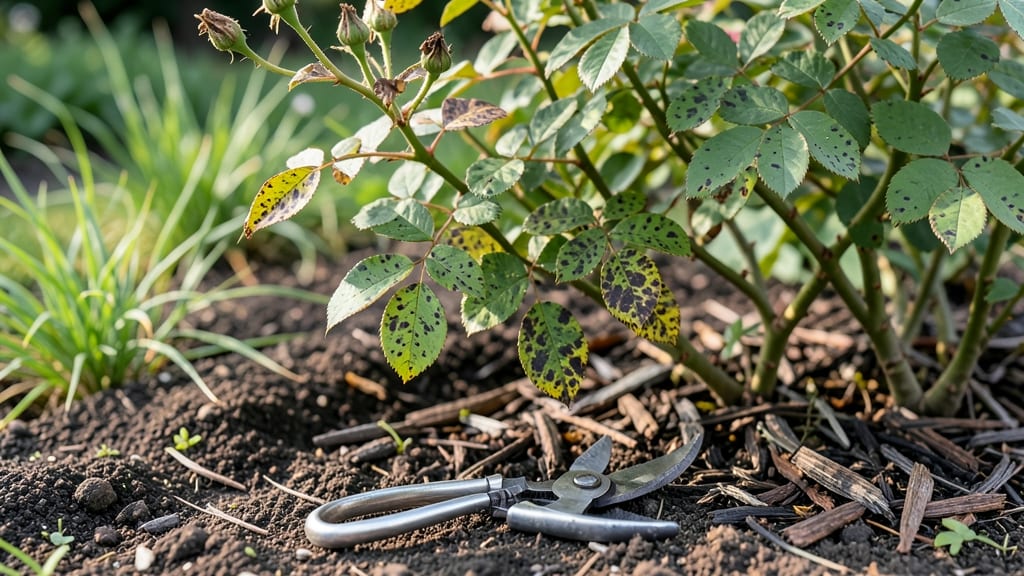
Black spots creeping across your roses? 🌿 That’s black spot blight, and it’s more treatable than you think. I’ve battled this fungal foe for years—my first garden’s roses looked like they’d been attacked by a paint-splattering artist.
The key is acting fast with organic fixes that actually work, not just masking the problem.
This guide cuts through the confusion: why your roses get blight (hint: it’s not just wet weather), how to spot it early (those telltale black spots with yellow halos), and the 3-step organic treatment that saved my bushes last summer.
No harsh chemicals needed—just smart pruning, copper sprays, and a few garden tricks your neighbors won’t tell you about.
By the end, you’ll have roses that stay vibrant and healthy all season, with fewer spots and more blooms. The best part? These methods prevent future outbreaks so you’re not playing catch-up every year. Let’s turn those sad-looking bushes back into showstoppers.
Works for hybrid teas, floribundas, and even old garden roses—no matter your variety. Here’s how to stop the blight before it stops your garden.
Root Causes of Rose Fungal Woes
Fungal infections like black spot, powdery mildew, and rust don’t just appear out of nowhere—they thrive when roses get the perfect conditions. Understanding why these diseases strike is half the battle in stopping them.
Let’s break down the science behind the chaos and what makes your roses such a tasty buffet for fungi.
Fungi love moisture like a desert loves rain. Roses are especially vulnerable when:
- Leaves stay wet for long periods—whether from morning dew, overhead watering, or poor air circulation. Fungal spores germinate and spread rapidly in damp conditions (ideal humidity: above 75% for 12+ hours).
- Poor drainage keeps soil soggy, encouraging root rot and surface fungi like Botrytis (gray mold).
- Shady or crowded plantings trap humidity, creating a greenhouse effect. Fungi like Diplocarpon rosae (black spot) exploit this by spreading unchecked.
Science alert: Fungal spores release enzymes that break down plant cell walls, turning healthy tissue into a nutrient soup for the pathogen. Black spot, for example, thrives when leaf surfaces remain wet—its spores shoot out specialized tubes (appressoria) to penetrate leaves within hours.
Roses aren’t just competing for sunlight—they’re battling for breathable space. When bushes grow too close together:
- Air stagnates, slowing evaporation and keeping leaves damp longer.
- Debris (fallen leaves, petals) piles up, harboring spores and blocking sunlight—fungi’s worst enemy.
- Pruning gaps create wounds that act as entry points for pathogens.
Data point: Studies show roses with 30%+ canopy closure (leaves touching) have 5x higher black spot severity than those spaced 3–4 feet apart. Powdery mildew spreads 10x faster in low-airflow conditions.
Roses under stress—whether from over-fertilizing, nutrient deficiencies, or root damage—become fungal magnets. Here’s how:
| Imbalance | Fungal Risk | Why It Happens |
|---|---|---|
| Excess nitrogen | Black spot, rust | Soft, lush growth is delicious to fungi. Nitrogen-heavy foliage stays tender longer, giving spores more time to colonize. |
| Low phosphorus/potassium | Botrytis, powdery mildew | Weak cell walls can’t resist fungal enzymes. Potassium-deficient roses also can’t close stomata (leaf pores) fast enough to block spores. |
| Compacted or waterlogged soil | Root rot, crown blight | Oxygen-starved roots release sugars, feeding Phytophthora fungi. 30%+ soil moisture for weeks = fungal paradise. |
Pro tip: A soil test reveals imbalances before they invite fungi. Aim for a balanced NPK ratio (e.g., 10-10-10) and organic matter (compost) to boost resilience.
Fungi don’t take vacations—they time attacks to your roses’ weakest moments:
- Spring flush (new growth): Tender leaves lack the cutin wax layer that repels spores. Black spot spreads fastest here.
- Late summer heat waves: Stress from drought weakens roses, making them more susceptible to Botrytis when nights turn humid.
- Fall leaf drop: Decaying petals and leaves incubate spores over winter, ready to pounce in spring.
Science note: Powdery mildew spores can survive up to 10 years in dormant buds or soil. That’s why fall cleanup isn’t just tidy—it’s preventative surgery.
Now that you know why fungi throw a party on your roses, the next step is flipping the script—and turning your garden into a fungal-free zone. Stay tuned!
Revive Your Roses Naturally
When blight strikes your roses, acting fast with the right organic fixes can save your plants—and your sanity. Below, we’ve mapped out practical, step-by-step solutions for the most common causes of rose blight, along with prevention tips to keep your garden thriving.
No harsh chemicals here—just nature’s power to fight back!
Cause: Diplocarpon rosae thrives in damp, shaded conditions, turning leaves into a Swiss-cheese mess of dark spots.
How to Fix It:
- 🔥 Prune Like a Pro
- Snip off infected leaves (and a few inches below the spot) with sterilized pruners (wipe with rubbing alcohol between cuts).
- Dispose of debris in the trash—not the compost—to stop spores from spreading.
- 🍳 Baking Soda Spray (Yes, Really!) Mix 1 tbsp baking soda + 1 tbsp vegetable oil + 1 tsp mild soap + 1 gallon water. Spray every 7–10 days on dry leaves (morning or evening). The alkaline pH disrupts fungal growth.
- 👨🍳 Neem Oil Treatment
- Combine 1 tbsp neem oil + 1 tsp soap + 1 quart water. Spray weekly until new growth appears. Neem oil smothers spores and boosts plant immunity.
Prevention Tips:
- ✨ Space plants 3–4 feet apart for airflow.
- 🌡️ Water at the base (avoid overhead sprinkling).
- 🎯 Mulch with straw (not wood chips) to reduce humidity near foliage.
Cause: Erysiphe fungi love hot, dry days but strike when nights are cool and humid, coating leaves in chalky white dust.
How to Fix It:
- 🥘 Hydrogen Peroxide Rinse
- Spray leaves with a 3% hydrogen peroxide solution (1 part peroxide to 3 parts water). The oxygen bubbles physically lift off mildew spores.
- 🔪 Garlic & Chili Spray (Fungal Repellent) Blend 4 cloves garlic + 1 tbsp cayenne pepper + 1 quart water. Strain, add 1 tsp soap, and spray every 5 days. Garlic’s sulfur compounds and capsaicin deter fungi.
- 🌿 Companion Planting Plant roses near marigolds, thyme, or oregano—their strong scents confuse mildew spores.
Prevention Tips:
- 💡 Prune for sunlight—thin out crowded branches.
- ⏰ Water early morning so leaves dry by afternoon.
- 🌡️ Avoid nitrogen-heavy fertilizers (they encourage soft, mildew-loving growth).
Cause: Botryosphaeria or Cylindrocladium fungi attack wounded stems, creating sunken, oozing lesions that strangle your rose.
How to Fix It:
- 🔪 Surgical Pruning
- Cut 6 inches below the canker at a 45-degree angle (use sterilized tools!).
- Seal the wound with pruning paint (organic option: mix 1 part beeswax + 1 part coconut oil).
- 🍳 Copper Fungicide Spray Use liquid copper fungicide (like Bonide Copper Fungicide) every 2 weeks to prevent spread. Copper ions disrupt fungal cell walls.
- 🌱 Soil Solarization (For Severe Cases)
- Cover the infected area with clear plastic for 4–6 weeks in hot sun. The trapped heat kills spores in the soil.
Prevention Tips:
- 🎯 Sterilize tools after every cut (bleach or alcohol).
- 💡 Avoid overwatering—keep soil moist but not soggy.
- ✨ Mulch with gravel around stems to improve airflow.
- 🌱 Compost Tea Fertilizer: Brew 1 cup compost + 5 gallons water for 24 hours, strain, and spray on leaves. Rich in beneficial microbes that outcompete pathogens. - 🐝 Encourage Predatory Insects: Ladybugs and lacewings devour fungal spores.
Plant dill, fennel, or cosmos to attract them. - 🌡️ Crop Rotation: If blight is recurrent, move roses to a new spot every 3–4 years to break the fungal cycle.
Remember: Consistency is key! Blight won’t vanish overnight, but with regular pruning, preventive sprays, and smart gardening habits, your roses will bounce back stronger than ever. 🌹💪
Frequently asked questions about rose blight
How do I tell if my rose leaves have black spot blight?
Look for dark brown or black spots with yellow halos on upper leaves. The undersides often show grayish fungal growth. Severe cases cause leaves to yellow and drop prematurely. Check the youngest leaves first—they’re most vulnerable.
Can I still save my roses if they're already heavily infected?
Yes, but act fast! Prune away all infected leaves and stems (sterilize tools with rubbing alcohol), then apply a copper fungicide spray or neem oil solution. For severe cases, consider soil solarization (covering soil with plastic for 4-6 weeks) to kill spores.
Why does my rose blight keep coming back every year?
Blight spores overwinter in fallen leaves and soil, so clean up debris thoroughly each fall. Also check for poor air circulation (prune to open up bushes) and overwatering (water at the base, not overhead). Rotate planting locations every 3-4 years to break the fungal cycle.
Is baking soda really effective against rose blight?
A baking soda spray (1 tbsp baking soda + 1 tbsp oil + 1 tsp soap per gallon of water) raises leaf pH, making it hostile to fungal spores. Spray every 7-10 days on dry leaves for best results. It’s cheap, safe, and works—just don’t use it if you’ve applied fungicides recently.
Can I use the same pruners for all my roses if some are infected?
Never! Sterilize tools between cuts—wipe blades with rubbing alcohol or bleach solution (1 part bleach to 9 parts water). Fungal spores can hitchhike to healthy plants. Keep a separate pair of pruners just for infected roses.