
Succulent
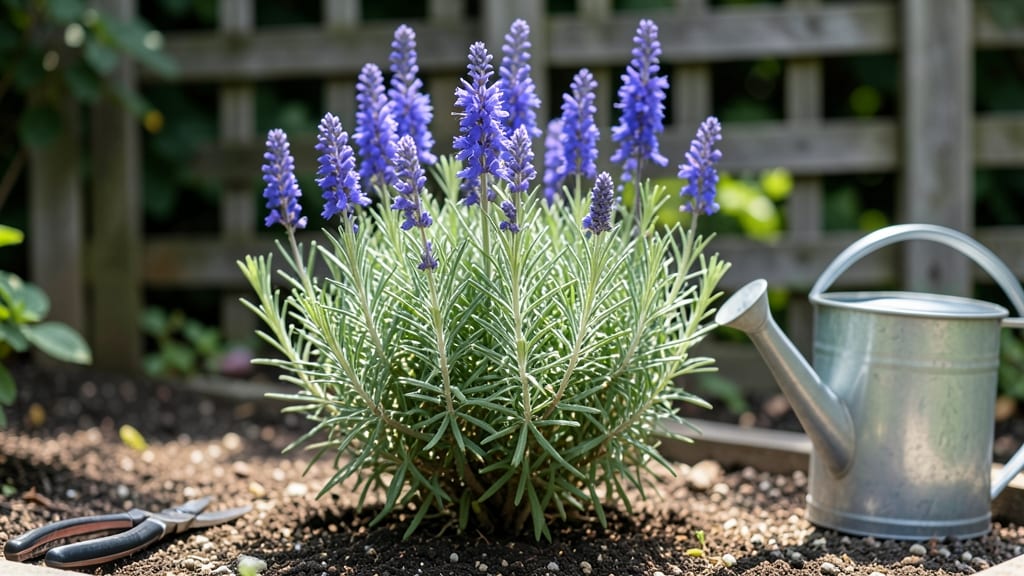
Growing Blue Spire rosemary means year-round fragrance with almost no effort. 🌿 This compact, silvery-blue variety thrives in containers or garden beds, offering both beauty and culinary value—plus, it practically prunes itself. Unlike fussy herbs, Blue Spire handles neglect like a pro, making it perfect for busy gardeners or beginners.
The secret lies in its love of sunny spots and well-draining soil. Plant it in a pot with drainage holes or directly in the ground where it gets at least 6 hours of sunlight daily. Water only when the top inch of soil feels dry—overwatering is its kryptonite.
In colder zones (5-9), it’ll survive winters outdoors if protected from harsh winds. You’ll harvest fragrant sprigs for cooking or garnishes year-round, and the plant’s upright form makes it a striking border plant. Pinch back leggy growth in spring to keep it bushy, but otherwise, it’s a low-maintenance superstar.
Even my black thumb keeps this one alive. Works in containers, raised beds, or garden edges—just avoid soggy soil. The best part? It multiplies easily through cuttings, so you’ll soon have more than you know what to do with. Let’s get yours growing!
📚 In This Guide
- What you need
- Instructions
- Tips and common mistakes
- Wrapping up and next steps
What you need
- ● Blue Spire Rosemary Plant: 1 healthy nursery-grown plant (ensure it’s labeled as Rosmarinus officinalis ‘Blue Spire’ for the signature blue-green foliage).
- ● Well-Draining Soil: 3–5 gallons of a cactus/succulent mix (or regular potting soil amended with 50% perlite or coarse sand to prevent root rot).
- ○ Container (Optional but Recommended): A 5–7 gallon pot with drainage holes (terracotta or ceramic works best).
- ● OR a raised bed if planting outdoors (ensure full sun exposure).
- ● Sunlight: A south-facing window (6+ hours of direct sun daily) or a grow light (12–14 hours/day for indoor setups).
- ● Water: A spray bottle or watering can with a narrow spout (avoid overwatering—rosemary hates soggy roots!).
- ○ Fertilizer (Optional but Helpful): A balanced liquid fertilizer (10-10-10) or slow-release granules (use sparingly—rosemary prefers lean soil).
- ● Fish emulsion or compost tea for organic boosts (apply every 4–6 weeks in growing season).
- ● Pruning Shears: A sharp, clean pair (sterilize with rubbing alcohol between cuts to prevent disease).
- ○ Gloves (Optional): Lightweight gardening gloves to protect hands from prickly stems.
- ○ pH Test Kit (Optional): To check soil acidity—ideal range for rosemary is 6.0–7.0.
- ○ Mulch (Optional): Gravel or pebbles around the base to retain heat and deter weeds (skip if using containers).
- ● Patience & Love! 💙 Blue Spire thrives with minimal fuss—just give it sun, space, and occasional trims.
Step-by-step instructions for cultivating Blue Spire rosemary
This hardy, upright variety thrives with simple care—here’s how to coax its signature blue-green foliage and piney aroma year after year.
🪴 Step 1: Select and Prepare the Perfect Container
Blue Spire rosemary needs well-draining soil and plenty of airflow, so choose a 5-7 gallon container with drainage holes—terracotta pots work best. I always add a 2-inch layer of gravel at the bottom to prevent root rot, since rosemary despises soggy roots. Fill the rest with a mix of premium potting soil and 20% perlite for extra aeration.
Press the soil down gently but firmly—you want it settled enough to support the plant but still loose enough for roots to spread. The key here is never compacting it tightly, as rosemary’s shallow roots need room to breathe. If you’re planting in ground, pick a south-facing spot with full sun exposure—this variety won’t tolerate shade.
☀️ Step 2: Plant and Position for Optimal Growth
Dig a hole twice as wide as the rosemary’s root ball but only as deep as its container. Tease the roots slightly if they’re circling, then place the plant so the top of the root ball sits ½ inch below the soil line—this prevents stem rot from water pooling at the base. Backfill with soil, pressing lightly to eliminate air pockets.
Water deeply right after planting to settle the soil, but avoid soaking the plant. Blue Spire rosemary prefers dry conditions—overwatering is the fastest way to kill it. Position the container or in-ground plant where it gets 6-8 hours of direct sunlight daily. If growing in a pot, rotate it quarter-turn weekly to encourage even growth and prevent leaning toward the light.
💧 Step 3: Master Watering and Fertilizing for Year-Round Health
Let the soil dry completely between waterings—stick your finger 1 inch deep into the soil. If it feels dry, water thoroughly until it drains from the bottom. Rosemary’s drought tolerance is legendary, but wilting leaves mean you’ve waited too long. I water mine every 7-10 days in summer, cutting back to once every 2-3 weeks in winter.
Feed with a balanced, water-soluble fertilizer (10-10-10) once in early spring and again in mid-summer. Too much fertilizer leads to leggy growth and fewer fragrant leaves. Prune back any overly long stems after fertilizing to encourage bushier, more compact growth—this is where Blue Spire’s upright form really shines.
✂️ Step 4: Prune Strategically for Shape and Flavor
Prune after flowering (usually late spring) to maintain the plant’s pyramidal shape. Cut back one-third of the longest stems to a leaf node, using clean, sharp shears. Avoid cutting into old wood—rosemary doesn’t regrow from bare stems. This pruning encourages denser foliage and more aromatic leaves for harvesting.
Harvest sprigs regularly by snipping just above a leaf node—this stimulates new growth. Never take more than one-third of the plant at once, or you’ll stunt its development. The best time to harvest is early morning, when the oils are most concentrated. Store pruned stems in a glass of water on the counter for up to 10 days while they regrow.
⏰ Step 5: Overwinter with Minimal Effort
Blue Spire rosemary is evergreen, but it slows growth in winter. If potted, move it to a bright, sheltered spot (like a garage with natural light) where temperatures stay above 20°F. Water sparingly—only when the soil is bone dry—since the plant’s metabolic rate drops. In ground, mulch heavily with 2-3 inches of straw to protect roots from freezing.
Resist the urge to fertilize in winter—rosemary needs dormancy to rebloom vigorously in spring. A light pruning in late winter (before new growth starts) removes dead foliage and shapes the plant for the season ahead. With this minimal care, your Blue Spire will reward you with fragrant, blue-green foliage for years to come.
Tips & tricks for perfect Blue Spire rosemary cultivation
Between us, these little details make all the difference when growing Blue Spire rosemary—especially if you want that signature upright form and intense fragrance.
Soil Mix Precision: The 20% perlite in your soil mix isn't just about drainage—it creates the perfect air pockets rosemary roots crave. I've found that adding 10% coarse sand (like horticultural sand) to that mix gives even better results for Blue Spire's shallow root system. The key is maintaining that loose, almost crumbly texture when moistened, not compacted. Think of it as giving your rosemary's roots a spa treatment—they'll spread wider and deeper when they're not fighting for oxygen.
Light Positioning Secret: That 6-8 hours of direct sunlight isn't just about duration—it's about quality. Position your container where it gets morning sun (when UV is strongest) and afternoon shade if you're in a hot climate. I've noticed Blue Spire develops a deeper blue-green hue when it gets these light conditions. For indoor growers, supplement with a grow light 12 inches away for 8 hours daily if natural light is insufficient. The plant will tell you if it's happy—healthy leaves should be vibrant, not yellowing at the edges.
Watering Technique: The "dry completely between waterings" rule is non-negotiable, but here's what nobody tells you—Blue Spire actually prefers bottom watering when possible. Place your container in a tray of water for 10-15 minutes, then let it drain completely. This method prevents wetting the foliage (which can cause fungal issues) while ensuring the roots get consistent moisture. I water this way every other week in summer, and my plants stay lush without the risk of overwatering. The soil should feel like a wrung-out sponge when it's properly dry.
Pruning Timing: That late spring pruning after flowering is crucial, but timing it right makes all the difference. Look for the first 50% of flowers to open before you prune—this ensures you're not cutting off potential seed production that could weaken the plant. I prune on a dry morning when the oils are most concentrated, using shears that have been wiped clean with rubbing alcohol. The cut should be at a 45-degree angle just above a leaf node to encourage new growth. This is where Blue Spire's upright form really comes into its own—proper pruning keeps it from becoming leggy.
Pro Tips for Blue Spire Rosemary
- Between us, these little details make all the difference when growing Blue Spire rosemary—especially if you want that signature upright form and intense fragrance.
- Soil Mix Precision: The 20% perlite in your soil mix isn't just about drainage—it creates the perfect air pockets rosemary roots crave.
- Light Positioning Secret: That 6-8 hours of direct sunlight isn't just about duration—it's about quality.
Frequently asked questions
How fast does Blue Spire Rosemary grow?
Blue Spire is a slow-to-moderate grower, adding about 6–12 inches per year under ideal conditions. With proper sunlight (6+ hours/day) and well-draining soil, you’ll see steady, upright growth. Patience pays off—its striking blue-gray foliage and woody stems develop over time!
Can Blue Spire Rosemary survive winter outdoors?
This hardy variety tolerates USDA Zones 7–10. In colder climates (below 20°F), mulch heavily and wrap pots with burlap. For extreme winters, move potted plants to a protected spot (like a garage) or bring them indoors near a sunny window. Never let roots freeze!
When should I prune Blue Spire Rosemary?
Prune after flowering (late spring/summer) to encourage bushier growth. Trim 1/3 of the plant at a time, focusing on leggy stems or overcrowded areas. Avoid heavy pruning in fall—it stresses the plant before winter. Wear gloves! Rosemary’s tiny leaves can be prickly.
What’s the best alternative if Blue Spire struggles in my climate?
Try ‘Arp’ Rosemary (hardy to Zone 5) or ‘Prostratus’ (spreading type, Zone 6). For containers, Salvia officinalis (sage) or Thymus serpyllum (creeping thyme) offer similar drought tolerance and fragrance. All thrive in full sun with minimal fuss!
Why are my Blue Spire leaves turning yellow?
Yellowing leaves usually signal overwatering or poor drainage. Let soil dry completely between waterings—stick your finger 2 inches deep; if moist, wait. Check pots for drainage holes and amend soil with perlite or sand. Fungal issues? Space plants for airflow and avoid wetting foliage.
Wrapping up and next steps
Growing Blue Spire Rosemary is a rewarding journey that brings year-round beauty and fragrance to your garden with minimal effort! 🌿 Whether you’re a seasoned gardener or just starting out, this hardy herb thrives with simple care—just remember well-draining soil, plenty of sunlight, and occasional pruning to keep it lush.
The best part? You’ll soon enjoy its stunning blue-green foliage and aromatic leaves for cooking, crafts, or simply savoring nature’s gifts.
Ready to transform your space? Start small—plant a pot today! Grab your Blue Spire Rosemary, follow the tips you’ve learned, and watch it flourish. Happy growing! 🌱✨