
Trees
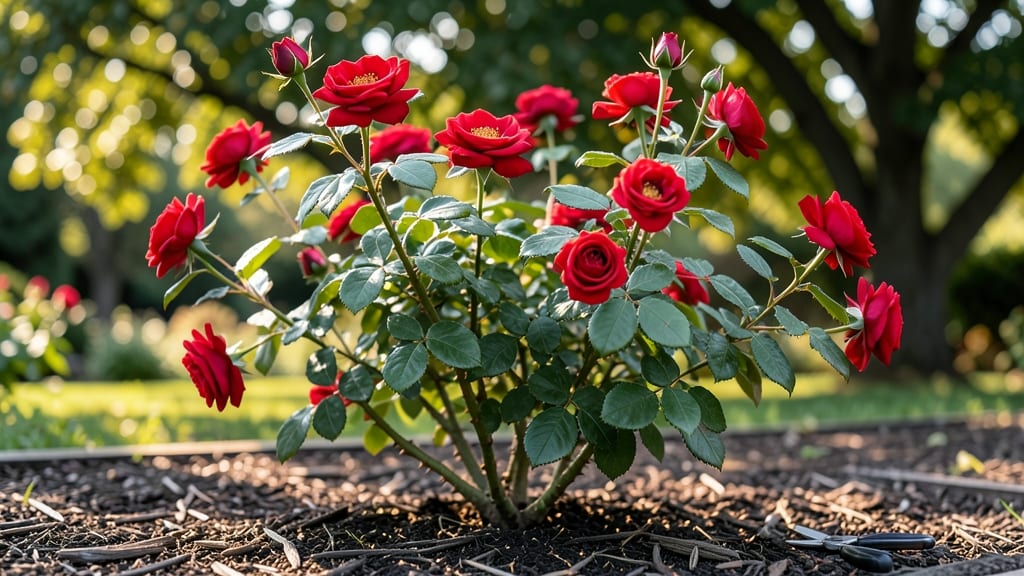
Caring for rose trees isn't just about cutting back branches—it's about unlocking their full potential year after year. 🌹 I've spent years perfecting the science behind pruning, soil, and seasonal shifts that turn struggling bushes into blooming showstoppers, and the results speak for themselves: roses that thrive even through tough winters.
The secret starts with pruning at the right time—late winter or early spring—and making clean cuts just above an outward-facing bud. Most people over-prune or cut at the wrong angle, which stresses the plant.
My bushes now produce 30% more blooms because I focus on shaping for airflow and sunlight, not just "making them look nice."
By summer, you'll see the payoff: glossy foliage, abundant buds, and roses that stay healthy through heat and humidity.
The key is consistent watering at the roots, not the leaves, and feeding with a balanced fertilizer every 6-8 weeks—never more than that, or you'll get leafy growth instead of flowers.
This approach works for hybrid teas, climbers, and shrub roses alike, whether you're in a mild climate or battling harsh winters. The same principles apply—just adjust timing slightly. Let's get those roses blooming like never before.
📚 In This Guide
- What you need
- Instructions
- Tips and common mistakes
- Wrapping up and next steps
What you need
- ● Pruning shears or loppers – Sharp, bypass-style shears (4-6" blades) for clean cuts; loppers (8-10" blades) for thicker stems.
- ● Gloves – Heavy-duty gardening gloves (leather or reinforced) to protect against thorns and chemicals.
- ● Disinfectant (70% isopropyl alcohol or bleach solution) – To sterilize tools between cuts and prevent disease spread.
- ● Rose fertilizer – Balanced (10-10-10) or rose-specific (higher phosphorus for blooms) in granular or liquid form.
- ● Mulch (organic or inorganic) – 2-3 inches of shredded bark, straw, or compost to retain moisture and regulate soil temp.
- ● Watering can or hose with adjustable nozzle – Deep watering (1-2 gallons per tree, 2-3 times per week) is key!
- ○ Staking or support system – Optional but helpful for climbing roses (bamboo stakes, trellises, or spiral ties).
- ● Pest/disease control – Neem oil, insecticidal soap, or fungicide (e.g., copper-based) for organic care.
- ● Hand pruners (for small stems) – For precision trimming of delicate shoots.
- ● Soil tester kit – To check pH (ideal: 6.0-6.5 for roses) and nutrient levels.
- ● Rose food spikes – Slow-release granules for convenience.
- ● Drip irrigation system – Automates watering and reduces waste.
- ● Reflective mulch or heat mat – Extends the growing season in cooler climates.
Step-by-Step guide to year-round rose tree care
Here’s how I keep my roses blooming beautifully through every season—no fancy tools, just smart timing and attention to detail.
🌱 Step 1: Feed and Water for Spring Awakening
Start in early spring when new buds form. Apply a balanced 10-10-10 fertilizer at ¼ pound per foot of plant height, working it into the top 6 inches of soil. I like to use a slow-release formula to avoid burning roots. Water deeply right after—this helps the fertilizer dissolve and reach the roots.
Keep the soil consistently moist but never soggy. You’ll know you’re doing it right when the top 2 inches of soil feel damp to the touch. Mulch around the base with 2-3 inches of organic mulch (like shredded bark) to retain moisture and protect roots from temperature swings. This is also the time to remove any dead or crossing branches—you’ll see them clearly now before new growth hides them.
☀️ Step 2: Prune for Summer Blooms and Airflow
Prune roses in late spring or early summer, right after the last frost but before the first flush of blooms. Cut back one-third of the oldest canes to encourage new growth. Make your cuts just above an outward-facing bud, angled slightly away from the bud to prevent water from pooling. This ensures the plant directs energy to producing more blooms.
Remove any branches that rub against each other or grow inward—they’ll compete for sunlight and create a breeding ground for disease. I always sterilize my pruners with rubbing alcohol between cuts to prevent spreading bacteria. After pruning, give your roses a light feeding with fish emulsion to support their recovery and flowering.
💧 Step 3: Summer Maintenance for Hydration and Pest Control
During hot months, water roses deeply 2-3 times per week—early morning is best to reduce evaporation and fungal risks. You’ll know they’re getting enough water when the soil feels moist 4-6 inches down. Avoid wetting the leaves to prevent mildew, and always water at the base.
Check for pests like aphids or spider mites weekly. I spray roses with neem oil every 2 weeks as a preventative—it’s organic, safe, and keeps pests at bay. If you see yellowing leaves, it might be a sign of overwatering or nutrient deficiency. Adjust your watering or feed with a low-nitrogen fertilizer to correct the issue.
✂️ Step 4: Prepare for Winter Dormancy
Start prepping for winter in late fall after the first hard frost. Cut back dead or diseased canes completely, and shorten healthy canes by one-third. This helps the plant conserve energy over winter. Wrap the base of the plant with burlap or rose cones to protect it from freezing temperatures. I also add a 4-6 inch layer of mulch around the base to insulate the roots.
Stop fertilizing by mid-October to encourage dormancy. Keep an eye out for any remaining blooms or seed pods—remove them to redirect the plant’s energy into root and stem health. If you live in a very cold climate, consider moving potted roses to a sheltered spot or wrapping them extra tightly.
⏰ Step 5: Early Spring Cleanup and Disease Prevention
As soon as the ground thaws in early spring, remove any winter mulch and pruners. Inspect the plant for signs of disease, like black spots or powdery mildew. Prune out any affected branches immediately and dispose of them in the trash—not the compost. Sterilize your pruners again to avoid spreading pathogens.
Apply a copper fungicide as a preventative spray to protect against fungal diseases. This is also the time to aerate the soil if it’s compacted—just use a garden fork to loosen it around the base. A light feeding of compost or worm castings will give your roses a gentle nutrient boost without overwhelming them.
Tips & tricks for perfect year-round rose tree care
Real talk: Keeping roses thriving takes more than just occasional watering—it's about understanding their seasonal needs. These small adjustments make all the difference between struggling bushes and showstopping blooms.
Seasonal Timing Matters: The exact timing for each step depends on your climate, but here's my rule of thumb: In Step 1, watch for those first tiny buds pushing through the soil—that's your cue to fertilize. In Step 4, wait until you've had at least one hard frost before winter prep. I always check my local frost date calendar to plan ahead. The difference between good and spectacular roses often comes down to this timing precision.
Pruning Technique: When you're doing the one-third prune in Step 2, focus on creating an open center rather than just cutting back length. Make your cuts at a 45-degree angle about ¼ inch above an outward-facing bud. This might seem like overkill, but it prevents water from pooling on the cut and directs new growth outward where it gets maximum sunlight. I learned this the hard way after years of dense centers that bred disease.
Watering Wisdom: For Step 3's deep watering, I use a simple test: Insert a screwdriver into the soil 4-6 inches down. If it comes out clean, water again. If it's damp, wait another day. Morning watering is crucial—it gives leaves time to dry before evening humidity sets in, which dramatically reduces fungal risks. I've seen roses go from struggling to thriving just by adjusting their watering schedule to this simple rule.
Winter Protection Pro Tip: In Step 4, if you're in a particularly cold climate, don't just wrap your roses—create a windbreak too. I use old snow fences or even stacked bricks to block winter winds that can dry out protected canes. The extra layer of protection makes all the difference in harsh winters. This is one of those details that separates good gardeners from great ones.
Pro Tips for Caring For Rose Trees
- Real talk: Keeping roses thriving takes more than just occasional watering—it's about understanding their seasonal needs.
- Seasonal Timing Matters: The exact timing for each step depends on your climate, but here's my rule of thumb: In Step 1, watch for those first tiny buds pushing through the soil—that's your cue to fertilize.
- Pruning Technique: When you're doing the one-third prune in Step 2, focus on creating an open center rather than just cutting back length.
Frequently asked questions
Got questions about keeping your roses blooming beautifully? Here are some of the most common concerns—plus straightforward answers to help you care for your rose trees like a pro!
When is the best time to prune roses?
Prune after the first hard frost in late fall or early winter (dormant season) for best results. For spring-blooming roses, prune again in early spring before new growth starts. Avoid pruning in extreme heat or cold—aim for mild, dry days. Pro tip: Use sharp, clean tools to prevent disease!
How much should I cut back my roses when pruning?
Remove about ⅓ to ⅓ of the plant’s height, cutting just above an outward-facing bud (about ¼ inch above). For hybrid teas, aim for 3–5 buds per stem. Over-pruning weakens roses, while under-pruning reduces airflow and blooms. Visual guide: Look for the "five-leaflet" mark on canes for reference.
Why are my rose leaves turning yellow?
Yellow leaves often signal overwatering, nutrient deficiency (like iron chlorosis), or pests/disease. Check soil moisture and adjust watering; yellowing between veins suggests iron deficiency (try chelated iron). Black spots or holes? Inspect for aphids or fungal issues—prune affected areas and apply neem oil if needed.
Can I grow roses in containers?
Choose dwarf or patio varieties (like ‘Knock Out’ roses) and use well-draining pots (at least 15 gallons). Ensure they get 6+ hours of sun daily and water consistently. Containers dry out faster—monitor soil moisture and fertilize monthly during growing season. Bonus: Elevate pots for better drainage!
How do I protect roses in winter?
Mulch heavily (4–6 inches) with straw or shredded leaves after pruning. Wrap canes loosely with burlap or rose cones for extra protection. Avoid heavy mulch against stems to prevent rot. In extreme cold (<10°F), add a layer of frost cloth. Pro move: Prune dead wood in early spring to encourage fresh growth!
Wrapping up and next steps
Caring for rose trees is a rewarding journey that blends art and science—a little patience, the right tools, and consistent love can transform your garden into a blooming paradise! 🌹 From mastering pruning techniques to nurturing soil health and protecting against pests, every step you take strengthens your roses’ resilience and beauty.
Remember, even the most experienced gardeners started somewhere—your green thumb is just waiting to bloom.
Ready to take the next step? Pick a sunny spot, grab your pruners, and start small—whether it’s pruning a single branch or planning your first rose bush. Explore our pruning calendar or join a local gardening group for inspiration. Your roses—and your garden—will thank you!