
How To
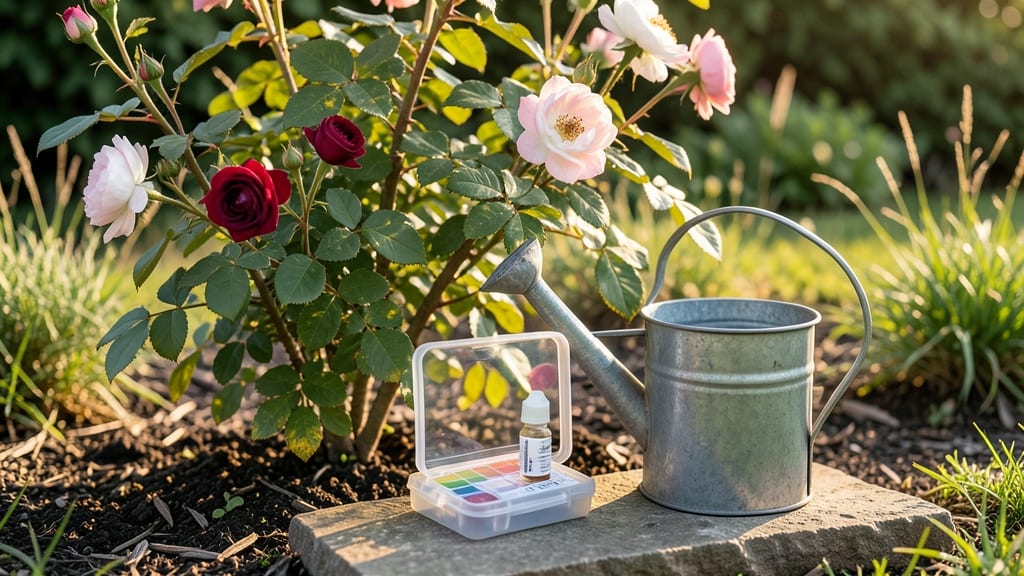
What causes rose bush leaves to turn yellow isn’t just unsightly—it’s a cry for help. 🌿 The most common culprits are overwatering and root rot, which smother roots and starve the plant of oxygen.
I’ve seen healthy roses turn into sad, yellowing messes in just weeks when this happens, and the fix starts with checking soil moisture and drainage.
First, dig down about 2 inches—if the soil is soggy or smells like rot, you’ve got a watering problem. Root rot thrives in compacted, waterlogged soil, while yellowing from overwatering often starts with the oldest leaves.
The good news? Both issues respond to adjustments: let the top 1-2 inches of soil dry out between waterings, and improve drainage with compost or sand.
Once you’ve fixed the watering, watch for other signs: black spots on leaves mean fungal diseases, while curled leaves might signal pests. A balanced fertilizer (especially with nitrogen) can revive nutrient-starved roses, but never fertilize a waterlogged plant—that’s like throwing gasoline on a fire.
Prune away the worst yellowed leaves to redirect energy to new growth.
Prevention is key: mulch around the base to regulate moisture, space plants for airflow, and water deeply but less frequently. With these tweaks, your roses will bounce back with vibrant green foliage and more blooms than ever. The turnaround can take 4-6 weeks, but it’s worth the patience.
The Hidden Triggers Behind Yellowing Leaves
Yellowing rose bush leaves aren’t just a random quirk of nature—they’re your plant’s way of screaming for help. 🌿🚨 Understanding the root causes (literally and figuratively) is the first step to saving your roses.
Below, we break down the science behind why your rose bush’s leaves are turning yellow, from nutrient deficiencies to sneaky pests.
💧 The silent killer of rose bushes
Roses thrive in well-draining soil, but when they sit in soggy conditions, their roots suffocate. Overwatering or compacted soil forces roots to struggle for oxygen, leading to root rot—a fungal infection that blocks nutrient uptake.
As a result, leaves turn yellow (a condition called chlorosis) before wilting or dropping off.
The science:
- Roots need oxygen to function. Waterlogged soil displaces oxygen, triggering anaerobic bacteria that produce toxins.
- Fungal pathogens like Phytophthora exploit waterlogged conditions, infecting roots and disrupting water/nutrient transport.
- Symptoms to watch for: Yellowing between veins (interveinal chlorosis), mushy stems, or a foul smell from the soil.
Actionable fix: ✅ Test your soil’s drainage by digging a 6-inch hole, filling it with water, and timing how long it takes to drain. If it’s slower than 4–6 hours, amend with perlite, sand, or compost to improve aeration. ✅ Water deeply but less frequently—roses prefer 1–2 inches of water per week, delivered at the base (not overhead).
🍃 When the soil runs out of essentials
Yellowing leaves often signal a nutrient imbalance, particularly iron deficiency (chlorosis) or nitrogen starvation. Roses are heavy feeders, and soil can deplete over time—especially in alkaline conditions, which lock out iron.
The science:
- Iron (Fe): Essential for chlorophyll production. In alkaline soils (pH > 7.0), iron becomes insoluble, so roots can’t absorb it. Leaves yellow between veins first (classic chlorosis).
- Nitrogen (N): Powers leaf growth. Without enough, older leaves turn yellow first (a sign of remobilization as the plant “steals” nutrients from aging leaves).
- Magnesium (Mg) or Zinc (Zn) deficiencies can also cause yellowing, but they usually appear as mottled patterns or stunted growth.
Actionable fix: 🔬 Test your soil’s pH (ideal range: 6.0–6.5 for roses). If alkaline, add chelated iron or sulfur to lower pH. 🌱 Fertilize smartly: Use a balanced rose fertilizer (e.g., 10-10-10) in spring and early summer. For iron deficiency, apply iron sulfate or Epsom salt (magnesium sulfate) monthly. 💡 Pro tip: Yellowing from nitrogen? Top-dress with compost or blood meal for a quick boost.
🍄 The underground menace
Fungal diseases like black spot, powdery mildew, or root rot (Phytophthora, Pythium) thrive in damp conditions. While black spot causes yellowing spots (not full leaves), root rot leads to systemic yellowing as the plant weakens.
The science:
- Root rot fungi block water and nutrient absorption, causing wilting and yellowing from the bottom up.
- Black spot (Diplocarpon rosae) destroys leaf tissue, leaving yellow halos around dark spots. Infected leaves drop early, stressing the plant.
- Powdery mildew coats leaves in a white film, reducing photosynthesis and causing yellowing.
Actionable fix: 🛡️ Prevent fungal spread:
- Remove infected leaves immediately (don’t compost them—trash them!).
- Space roses for airflow (3–4 feet apart) to reduce humidity.
- Apply fungicides (neem oil, copper spray, or myclobutanil) preventatively in spring.
💦 Water at the base (avoid overhead watering, which spreads spores).
🐜 Tiny vampires sucking the life out of your roses
Pests like aphids, spider mites, and scale insects pierce leaves to feed on sap, causing yellowing, curling, or stippling. Their waste (honeydew) also attracts sooty mold, further stressing the plant.
The science:
- Aphids cluster on new growth, injecting toxins that distort and yellow leaves.
- Spider mites suck cell contents, causing bronzing or yellow speckling (especially on undersides).
- Scale insects form hard shells on stems/leaves, starving the plant of nutrients.
Actionable fix: 🕵️ Inspect leaves daily—look for sticky residue (honeydew), webbing, or tiny bugs. 🚿 Blast pests off with a strong spray of water (disrupts their life cycle). 💥 Use insecticidal soap or neem oil (repeat every 5–7 days). For severe infestations, try horticultural oil in dormant season.
🌡️ When roses get too hot, too cold, or too much sun
Extreme temperatures or sudden changes can shock roses, causing yellowing edges (scorching) or bleached patches. Young leaves are especially vulnerable.
The science:
- Heat stress accelerates water loss, leading to oxidative damage in leaves.
- Cold damage disrupts cell membranes, causing yellowing or blackened tips.
- Sunburn (from sudden exposure) bleaches leaves white/yellow in direct sunlight.
Actionable fix: 🌞 Gradually acclimate roses to full sun (harden off for 1–2 weeks if moving from shade). 🧊 Mulch heavily in winter to protect roots from freezing. 💦 Water deeply during heatwaves to prevent wilting (early morning is best).
🌱 When roses get the wrong welcome
Newly planted roses or those with damaged roots struggle to absorb water/nutrients, leading to yellowing. Even pruning too aggressively can stress the plant.
The science:
- Root pruning (cutting roots during transplanting) disrupts the plant’s ability to uptake water.
- Circling roots (from container-grown roses) strangle growth if not loosened.
- Over-pruning removes too much foliage, reducing photosynthesis.
Actionable fix: 🛠️ Loosen roots before planting (gentle teasing encourages outward growth). 🌿 Water thoroughly after transplanting to reduce shock. ✂️ Prune strategically: Remove no more than 1/3 of the plant at once, and avoid cutting into old wood.
🧪 When too much of a good thing goes bad
Overzealous fertilizing or salt buildup (from tap water or fertilizers) can burn roots and leaves, causing yellowing, browning, or crispy edges.
The science:
- Excess salts (from hard water or synthetic fertilizers) disrupt osmosis, preventing roots from absorbing water.
- High salt concentrations in soil create a hypertonic environment, dehydrating root cells.
- Herbicide drift (from nearby lawn treatments) can cause yellowing and necrosis.
Actionable fix: 💧 Flush the soil with rainwater or distilled water to leach out salts. 🌱 Use organic fertilizers (compost, fish emulsion) to avoid salt buildup. 🚫 Avoid fertilizing in extreme heat (burn risk increases).
🍂 When leaves just run out of time
Not all yellowing is a crisis—older leaves naturally yellow and drop as the plant recycles nutrients to new growth. This is normal in late summer/fall.
The science:
- Chlorophyll breaks down as leaves age, a process called senescence.
- The plant reabsorbs nutrients (like nitrogen) from
Fixing Yellow Leaves on Roses
Reviving your rose bush’s vibrant green leaves starts with pinpointing the cause—and then taking action. Below, we break down practical, step-by-step solutions for each common trigger, plus tips to keep your roses thriving long-term. Let’s get those leaves back to their healthy, glossy best!
Fix: Adjust watering habits and improve soil aeration.
- 🔥 Stop Watering Immediately
- Let the top 2–3 inches of soil dry out completely before watering again. Stick your finger in the soil—if it’s damp, wait.
- Pro Tip: 💡 Use a moisture meter for accuracy, especially in clay-heavy soils.
- 👨🍳 Improve Drainage
- Amend the soil with perlite, sand, or compost (20–30% mix) to loosen compacted areas.
- If planted in a container, ensure pots have drainage holes and elevate them slightly off the ground.
- ⏰ Water Deeply but Less Often
- Water early in the morning (6–9 AM) to reduce evaporation and fungal risks.
- Aim for 1–1.5 inches per week, including rainfall. Use a soaker hose for slow, even absorption.
- 🌱 Prune Damaged Leaves
- Snip off yellow or mushy leaves with clean pruners to prevent spread. Dispose of them in the trash (not compost).
Prevention:
- Plant roses in well-draining soil (avoid low spots where water pools).
- Mulch with wood chips or straw (2–3 inches) to regulate moisture and temperature.
Fix: Dry out roots, treat fungus, and boost airflow.
- 🔪 Trim Affected Roots (If Severe)
- Gently dig around the base (carefully!) and cut away black, mushy roots with sterilized pruners.
- Replant in fresh, sterile soil mixed with perlite or vermiculite.
- 🌡️ Reduce Moisture & Improve Airflow
- Space plants 18–24 inches apart to enhance airflow.
- Avoid overhead watering—use drip irrigation instead.
- ✨ Apply Fungicide
- Spray with a copper-based fungicide (like Cupric Hydroxide) or neem oil (1 tbsp per gallon of water) every 7–10 days until new growth appears.
- Organic option: Mix 1 tsp baking soda + 1 tbsp oil + 1 quart water (spray on undersides of leaves).
- 📊 Adjust Watering Permanently
- Switch to a watering schedule that mimics natural rainfall—deep but infrequent.
Prevention:
- Test soil pH (ideal: 6.0–6.5). Adjust with lime (to raise pH) or sulfur (to lower pH) if needed.
- Rotate crops if replanting in the same spot—don’t grow roses in the same area year after year.
Fix: Provide shade and hydration during peak heat.
- 🌳 Offer Afternoon Shade
- Install a lightweight shade cloth (30–50%) or use a lattice with vines to filter harsh midday sun.
- Temporary fix: Place a white umbrella over the bush during the hottest hours (12–4 PM).
- 💦 Increase Water Frequency (Temporarily)
- Water daily in extreme heat (early morning only).
- Add mulch to retain moisture and cool roots.
- 🥗 Fertilize for Heat Tolerance
- Use a balanced fertilizer (10-10-10) or rose-specific feed with potassium to strengthen cell walls.
- Avoid high-nitrogen fertilizers—they promote leafy growth but weaken heat resistance.
Prevention:
- Plant roses in locations with dappled shade (e.g., near trees or structures).
- Choose heat-tolerant varieties like ‘Knock Out’ or ‘Dr. Huey’ roses.
Fix: Test soil and apply targeted amendments.
- 📊 Conduct a Soil Test
- Use a home test kit (available at garden centers) or send a sample to a local Cooperative Extension Service.
- Common deficiencies:
- Yellow leaves with green veins → Iron deficiency (chlorosis).
- Pale yellow leaves → Nitrogen deficiency.
- Yellow edges with brown spots → Magnesium or potassium deficiency.
- 💪 Apply Corrective Amendments
- For iron: Sprinkle iron sulfate or chelated iron around the base (follow package rates).
- For nitrogen: Use blood meal (2 tbsp per bush) or fish emulsion (1 tbsp per gallon of water).
- For magnesium: Work Epsom salt (1 tbsp per gallon) into the soil or spray foliage.
- 🌱 Improve Soil Health Long-Term
- Mix in compost or worm castings (1–2 inches) annually to replenish nutrients.
- Avoid over-fertilizing—this can burn roots and worsen issues.
Prevention:
- Fertilize in early spring (when new growth starts) and mid-summer (for a slow-release boost).
- Avoid synthetic fertilizers if your soil is already nutrient-rich—test first!
Final Tip: 🎯 Monitor and adjust! Yellow leaves can signal multiple issues, so check progress weekly. If symptoms persist after 2–3 weeks, revisit the cause and try a different approach. Healthy roses reward patience with stunning blooms and lush foliage—you’ve got this!
Frequently asked questions about yellowing rose leaves
Why do the oldest leaves turn yellow first?
This is completely normal! Older leaves yellow as the plant recycles nutrients to new growth—a process called senescence. If you see this pattern in late summer/fall, it’s just your rose’s natural cycle. However, if new leaves are also yellowing, check for nutrient deficiencies or pests.
Can yellow leaves spread to healthy parts of the bush?
Yes, if the cause is infectious (like fungal diseases or pests). For example, black spot fungus spreads through water splashes, while aphids migrate to new growth. Act fast by removing infected leaves and treating the whole plant to prevent spread.
How do I tell if yellow leaves mean overwatering vs. underwatering?
Check the soil and leaf texture: Overwatering causes soggy soil, yellowing between veins, and mushy stems. Underwatering leads to dry, crispy soil, yellowing edges, and wilting. Stick your finger 2 inches deep—if damp, you’re overwatering; if bone-dry, underwatering.
Will pruning yellow leaves help my rose bush recover?
Pruning removes stressed leaves that drain energy. Focus on:
- Severely yellow/mushy leaves (disease or rot)
- Leaves with spots or holes (pests/disease) Use sterilized pruners and dispose of clippings in the trash (not compost). Prune in the morning for best healing.
How long until my rose bush looks normal again after fixing the problem?
With proper care, you’ll see improvement in 2–4 weeks! New growth should emerge green and healthy. For severe cases (like root rot), recovery may take 6–8 weeks. Monitor soil moisture, fertilize lightly, and avoid stress (like extreme heat) during recovery.