
Shrubs
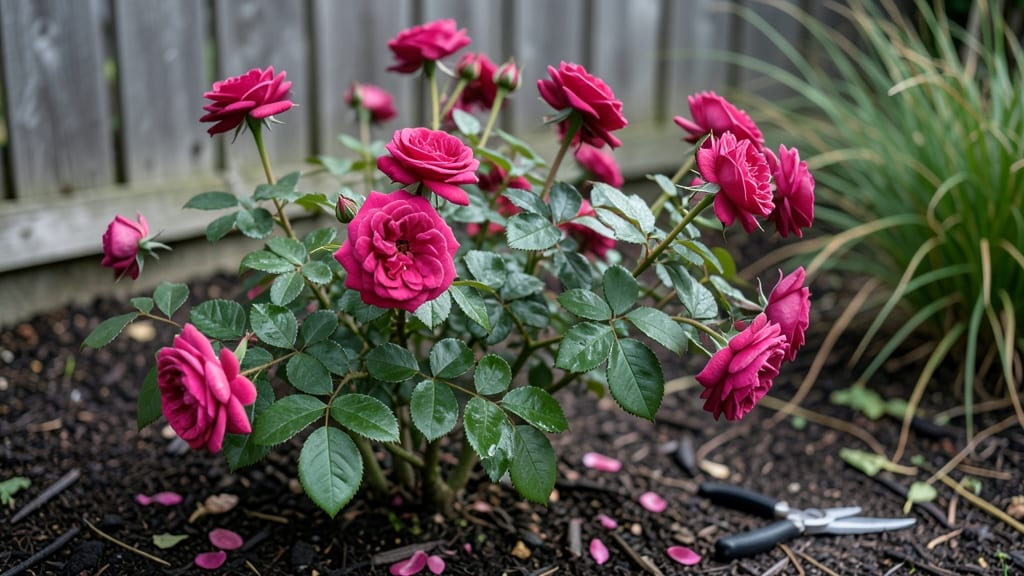
Growing the Curtain Call Deep Rose anemone feels like cultivating a living perfume—its velvety blooms release a sweet, spicy fragrance that lingers in the air. 🌿 This deer-resistant climber thrives in containers, making it perfect for patios, balconies, or small gardens where space is limited.
Unlike finicky perennials, it rewards patience with months of vibrant pink blooms and lush foliage that keeps growing until frost. The secret to its success lies in well-draining soil and morning sun with afternoon shade, which prevents wilting while keeping the flowers at their peak.
I’ve found that mixing compost into regular potting mix gives it the nutrients it craves without overwhelming its delicate roots. Water deeply but let the top inch dry between sessions—overwatering is the fastest way to lose those stunning blooms.
Once established, this variety becomes nearly self-sufficient, withstanding heat and humidity better than most anemones. The real magic happens in late summer when clusters of deep rose flowers appear, each one fragrant enough to draw hummingbirds to your space.
Prune back leggy growth in early spring to encourage bushier, more productive vines. For container growers, this is the ultimate low-maintenance climber—fragrant, long-blooming, and adaptable to urban spaces. Just avoid heavy clay pots, which can suffocate roots, and you’ll have a showstopper that outshines most annuals.
Now, let’s get those roots settled!
📚 In This Guide
- What you need
- Instructions
- Tips and common mistakes
- Wrapping up and next steps
What you need
- ● Curtain Call Deep Rose Anemone plant: 1 healthy, established plant (bare-root or potted, 1-2 years old)
- ● Tip: Choose a plant with 5+ buds for faster blooms!
- ● Container: 1 large container (12–18 inches deep, 18–24 inches wide)
- ● Material: Terracotta, fiberglass, or plastic (ensure drainage holes)
- ● Pro Tip: Add a cache pot (inner pot with drainage) for extra stability!
- ● Potting mix: 5–7 gallons of well-draining mix (50% potting soil, 30% perlite, 20% compost)
- ○ Optional: Add orchid bark (20%) for aeration in heavy clay soils.
- ● Support system: 1 trellis or obelisk (4–6 feet tall, sturdy metal or wood)
- ● Alternative: Use twine or garden ties to weave vines through a fence.
- ● Fertilizer: Balanced slow-release fertilizer (10-10-10 or 20-20-20, 2–3 tbsp)
- ● Bonus: Mix in worm castings (1 cup) for organic nourishment.
- ● Mulch (2–3 inches of pine bark or shredded leaves to retain moisture)
- ● Slow-drip irrigation kit for consistent watering
- ● Pruning shears (for shaping and deadheading)
- ● Epsom salt (1 tbsp/month in water for magnesium boost)
- ● Decorative stones or pebbles for a polished container look
Step-by-step instructions for cultivating curtain call deep rose anemone in containers
This fragrant climber thrives with the right balance of light, soil, and support—here's how to coax its lush growth.
🌱 Step 1: Select and Prepare the Right Container
Choose a container at least 12 inches deep with drainage holes—anemones resent soggy roots. Terra cotta pots work best because they breathe, preventing moisture buildup. If using a decorative pot without drainage, add a 2-inch layer of gravel at the bottom before filling with soil.
Real talk: I always opt for 14-inch pots for better stability, especially if you plan to train the vines upward. The extra depth gives roots room to establish before the plant sends out its signature fragrant blooms. Place the pot in a location where it won't be disturbed—anemones dislike root disruption once established.
☀️ Step 2: Create the Ideal Growing Medium
Fill the container with a well-draining potting mix blended with 20% perlite or orchid bark to improve aeration. Anemones prefer slightly acidic soil, so add 1 part peat moss to every 3 parts potting mix. Mix thoroughly until the blend looks uniformly loose and crumbly.
Don’t skip the perlite—it prevents compaction, which is critical for these vining plants. Press the mix down lightly to remove air pockets, but avoid packing it too tightly. The soil should feel like a damp sponge when squeezed, not a brick. This ensures roots get both oxygen and moisture without suffocating.
🌿 Step 3: Plant and Stake for Support
Dig a hole twice as wide as the root ball but no deeper. Gently remove the plant from its nursery pot and loosen the roots if they’re circling. Position it so the top of the root ball sits 1 inch below the container rim—this prevents water from pooling around the stem during watering.
Install a 5-foot bamboo stake or trellis immediately after planting. Anemones are vigorous climbers, and their vines can reach 8-10 feet if given support. Secure the main stem loosely with soft plant ties (never wire, which can damage bark). Here’s the thing—if you wait until the plant is established, you’ll struggle to insert stakes without disturbing roots.
💧 Step 4: Water and Fertilize for Lush Growth
Water deeply once a week until the top 2 inches of soil feel moist—anemones prefer consistent moisture but hate soggy conditions. Check soil moisture by inserting your finger; if it’s dry at that depth, it’s time to water. Always water at the base to avoid wetting the leaves, which can invite fungal issues.
Feed with a balanced liquid fertilizer (10-10-10) every 4 weeks during the growing season (spring through fall). I double the recommended dose the first time to jumpstart growth, then return to normal strength. Stop fertilizing in late summer to encourage blooming—too much nitrogen late in the season delays flowers.
✂️ Step 5: Prune and Train for Maximum Blooms
After the first flush of blooms, trim back one-third of the oldest stems to encourage new growth. This redirects energy toward producing more fragrant flowers. Use clean, sharp pruners and make cuts just above a leaf node at a 45-degree angle to prevent water from pooling.
Train vines upward by gently weaving them around the trellis or stake. If a vine becomes too heavy, secure it with additional ties. Here’s where it gets fun—watch how the plant responds to pruning. You’ll see fresh, vibrant growth within 2-3 weeks, followed by a second round of blooms that often outperform the first.
Tips & tricks for perfect curtain call deep rose anemone cultivation
A few simple adjustments can transform your container-grown anemone from struggling to spectacular. Here's what I've learned after watching these plants thrive in my own garden.
Container Depth Matters: While the instructions recommend a minimum of 12 inches, I've found that the extra 2 inches in a 14-inch pot makes all the difference for vining plants. The deeper soil helps establish a stronger root system before the plant sends out its vigorous growth. This is especially important if you're planning to train the vines upward—those deep roots give the plant the stability it needs to support its weight.
Soil Mix Secrets: The 20% perlite or orchid bark recommendation is non-negotiable for preventing compaction, but here's the thing about peat moss—it's best to use sphagnum peat moss specifically, as it retains moisture better while still allowing good drainage. I've also found that adding a handful of worm castings to the mix gives a nice nutrient boost without overloading the soil. The key is maintaining that loose, airy texture that prevents root suffocation.
Staking Strategy: Installing that 5-foot stake immediately after planting might seem counterintuitive, but trust me on this—waiting until the plant is established makes it nearly impossible to insert stakes without damaging roots. I like to use bamboo stakes because they're lightweight yet sturdy enough to support the plant's weight. For extra security, I'll often add a second stake on the opposite side of the pot, especially if I'm growing in windy conditions.
Watering Wisdom: The once-weekly watering schedule works well, but there's an art to it. I check soil moisture by inserting my finger about 2 inches deep—this is the critical zone where roots actively absorb water. If it feels dry at this depth, it's time to water. The key is to water deeply until you see moisture coming out the drainage holes, then let it drain completely. This prevents the very soggy conditions these plants hate while ensuring roots get proper hydration.
Pro Tips for Curtain Call Deep Rose Anemone
- A few simple adjustments can transform your container-grown anemone from struggling to spectacular.
- Container Depth Matters: While the instructions recommend a minimum of 12 inches, I've found that the extra 2 inches in a 14-inch pot makes all the difference for vining plants.
- I've also found that adding a handful of worm castings to the mix gives a nice nutrient boost without overloading the soil.
Frequently asked questions
Got questions about growing the stunning Curtain Call Deep Rose anemone? You’re not alone—this fragrant climber is a favorite, but it does need some special care! Here are answers to the most common queries to help you nurture your plant like a pro.
How much sunlight does the Curtain Call Deep Rose anemone need?
This beauty thrives in partial shade to full sun (4–6 hours of sunlight daily). In hotter climates, protect it from harsh afternoon rays to prevent leaf scorch. If grown in containers, rotate them occasionally for even exposure.
How often should I water my Curtain Call Deep Rose anemone?
Keep the soil consistently moist but not soggy—water when the top inch feels dry. Containers dry out faster, so check daily in summer. Mulch around the base to retain moisture and reduce evaporation.
When is the best time to prune this anemone?
Prune in early spring (before new growth) to shape the plant and remove dead or weak stems. Lightly trim after flowering to encourage bushier growth. Avoid heavy pruning in fall, as it may stress the plant before winter.
Can I grow Curtain Call Deep Rose in containers long-term?
Yes! It adapts well to containers with proper care. Use a well-draining mix (like 60% potting soil, 30% perlite, 10% compost) and repot every 2–3 years to refresh nutrients. Ensure the pot has drainage holes to prevent root rot.
What pests should I watch for, and how do I treat them?
Common pests include aphids, spider mites, and scale. Treat mild infestations with a strong spray of water or insecticidal soap. For severe cases, use neem oil. Inspect leaves regularly—early action keeps your anemone thriving!
Is this anemone cold-hardy, and how do I protect it in winter?
It’s hardy to USDA zones 5–9. In colder zones, mulch heavily around the base and wrap containers in burlap or bubble wrap. Move potted plants to a sheltered spot if temperatures drop below 10°F (-12°C).
Wrapping up and next steps
The Curtain Call Deep Rose Anemone is a fragrant, low-maintenance stunner that brings elegance to containers with minimal fuss. Its vibrant blooms and intoxicating scent make it a standout choice for gardeners—whether you're a beginner or a seasoned pro.
With the right care, this climber will reward you with years of beauty and charm.
Ready to bring home your own? Start by sourcing your plant from a trusted nursery, then gather your supplies and follow the steps above. Plant, nurture, and watch your garden transform! 🌸✨