
Shrubs
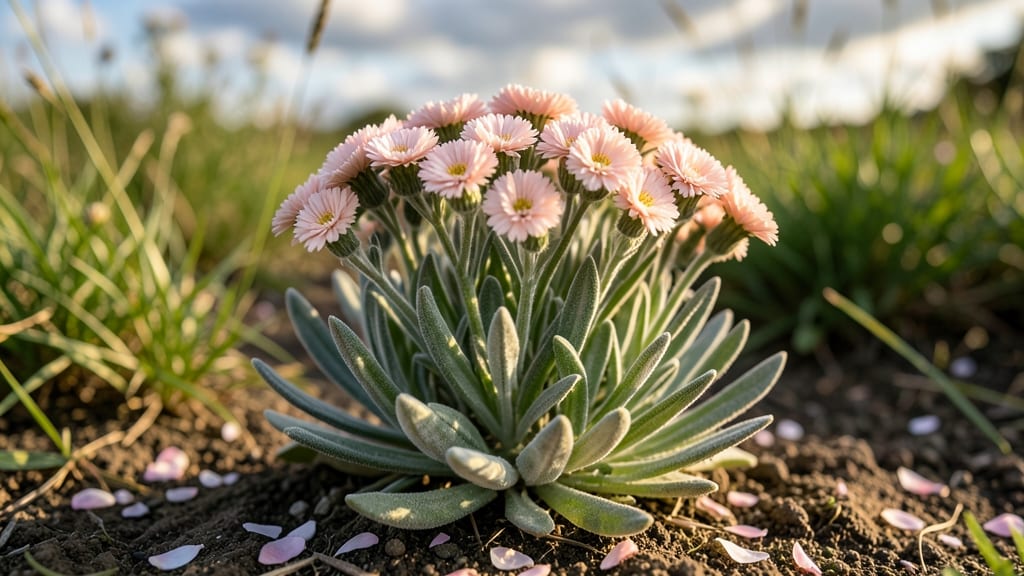
Cultivating Dianthus zing rose means waking up to a garden that smells like a candy shop every morning. 🌸 This fragrant climber thrives where others fail—drought-tolerant, heat-loving, and packed with pink-purple blooms that last from spring through fall (and sometimes winter too, if you're lucky).
The secret lies in mimicking its natural Mediterranean habitat: well-draining soil, full sun, and minimal fuss once established.
Start with sandy, gritty soil mixed with compost—think "dry but drinkable" when you squeeze a handful. Plant in spring after frost or early fall, spacing them 18-24 inches apart so they don’t crowd. Water deeply but infrequently; these plants hate soggy roots.
A light feeding with balanced fertilizer in spring keeps blooms abundant, but don’t overdo it—they reward restraint with sweet, clove-like fragrance that lingers for hours.
Pruning is where the magic happens. After the first flush of blooms, trim back one-third of the plant to encourage bushier growth and more flowers. Deadhead spent blooms regularly, and you’ll get nonstop color from late spring until frost.
The real payoff? These plants multiply like wildfire—dig up and divide clumps every 3-4 years to keep them vigorous and spread the fragrance across your garden.
Watch for spider mites in hot, dry weather—their silver webbing is a dead giveaway. A strong spray of water usually clears them up, but established plants rarely need intervention.
In cold climates, mulch heavily in winter to protect roots. With the right care, your Dianthus zing rose will become the fragrant star of every season—no green thumb required.
📚 In This Guide
- What you need
- Instructions
- Tips and common mistakes
- Wrapping up and next steps
What you need
- ● Dianthus zing rose plants: 1-3 mature plants (for immediate blooms) or
- ● Seeds (10-20, for DIY growing)
- ● Well-draining soil: 50% garden soil
- ● 30% perlite or coarse sand
- ● 20% compost or peat moss
- ● Container or garden bed: For containers: 12-18" pots with drainage holes (1 per plant)
- ● For beds: Full sun (6+ hours/day), slightly alkaline soil (pH 6.5-7.5)
- ● Fertilizer: Balanced granular fertilizer (10-10-10) or slow-release roses/shrub formula
- ○ Optional: Liquid bloom booster (like fish emulsion) for extra fragrance
- ● Garden tools: Trowel or small shovel
- ● Pruning shears (sterilized)
- ○ Gloves (optional, but recommended for handling thorns)
- ● Watering supplies: Watering can or hose with gentle spray nozzle
- ○ Drip irrigation kit (optional, for consistent moisture)
- ● Mulch: 2-3" layer of gravel or pine bark (to retain moisture and deter weeds)
- ○ Support structure (optional but helpful): Trellis, obelisk, or small fence (for climbing varieties)
Step-by-step guide to cultivating Dianthus Zing Rose climbers
This fragrant, long-blooming beauty thrives with precise care—here’s how to coax year-round color from your Zing Rose.
🌱 Step 1: Select the Perfect Site and Soil
Choose a location with full sun exposure (6-8 hours daily)—Zing Rose blooms most prolifically when basking in direct sunlight. The plant tolerates light shade, but expect fewer flowers and less fragrance. I always test the soil first: dig a 6-inch hole and check for drainage. If water pools after 30 minutes, amend the soil with 1 part perlite to 3 parts native soil to improve aeration.
Zing Rose thrives in well-draining, slightly alkaline soil (pH 6.5-7.5). If your soil is acidic, mix in 1 cup of garden lime per square foot and test again after 4-6 weeks. The plant’s deep root system rewards good drainage—waterlogged roots lead to root rot, which will kill the plant within weeks.
☀️ Step 2: Plant at the Right Depth and Spacing
Dig a hole twice as wide as the root ball but only as deep as the container’s base. Gently remove the plant from its pot and tease the roots apart if they’re circling. Place the root ball into the hole so the top of the root system sits 1 inch below soil level—this prevents stem rot from sitting water. Fill the hole with soil and firm it gently around the roots.
Space plants 18-24 inches apart in rows, allowing for air circulation that reduces fungal diseases. I always plant in early spring, after the last frost date, when soil temperatures reach 60°F. If planting in containers, use pots with drainage holes and fill with a mix of 50% potting soil, 30% perlite, and 20% compost.
💧 Step 3: Water Deeply and Establish a Routine
Water immediately after planting to settle the soil and remove air pockets. Over the next 2-3 weeks, water deeply every 2-3 days until the top 2 inches of soil feel moist. Zing Rose is drought-tolerant once established, but young plants need consistent moisture to develop strong roots. I use a soaker hose to water at the base, avoiding the foliage to prevent fungal issues.
Once established, water once weekly in dry spells, allowing the soil to dry out between waterings. Overwatering is the fastest way to kill this plant—yellowing leaves or wilting despite moist soil are signs of root rot. If this happens, reduce watering and improve drainage immediately.
✂️ Step 4: Prune for Continuous Blooms and Shape
Deadhead spent blooms every 2-3 weeks to encourage more flowers. Use clean, sharp pruners to cut back to the first set of healthy leaves below the bloom. This prevents the plant from wasting energy on seed production. I also prune leggy stems in early spring to promote bushier growth—cut back one-third of the plant’s height to stimulate new shoots.
Shape the plant lightly after each major bloom cycle to maintain its climbing form. Pinch back new growth to encourage branching, which results in a fuller, more fragrant plant. Avoid heavy pruning in late summer, as this can reduce fall blooms. Always sterilize your pruners with rubbing alcohol between cuts to prevent disease spread.
🌿 Step 5: Winterize for Year-Round Fragrance
In colder climates (Zone 5 and below), mulch the base of the plant with 3-4 inches of straw or shredded leaves after the first frost. This insulates the roots and protects against temperature fluctuations. In Zones 6-9, Zing Rose is hardy and requires no extra protection—just reduce watering as growth slows in winter.
Prune lightly in late winter to remove dead or damaged stems. Avoid heavy pruning until early spring, as this can stress the plant. I always fertilize in early spring with a balanced 10-10-10 fertilizer to support new growth. With proper winter care, your Zing Rose will reward you with fragrant blooms well into fall.
Tips & tricks for perfect Dianthus Zing Rose cultivation
Here's what nobody tells you about keeping your fragrant climber thriving all year—these are the details that separate a struggling plant from a showstopper.
Soil Test Timing: Don't guess about your soil's pH—test it before planting. I've seen gardeners spend weeks adjusting soil only to discover they already had the perfect pH. Use a simple home test kit and adjust with garden lime if needed, but remember that pH changes take 4-6 weeks to stabilize, so plan ahead. The Zing Rose's deep roots need that time to adjust to the new soil chemistry.
Root Ball Handling: When planting, gently tease apart any circling roots in the root ball—this prevents girdling as the plant grows. I've made the mistake of planting with tight roots, and within months, the plant showed signs of stress from restricted growth. Take those extra 5 minutes to loosen the roots; your Zing Rose will thank you with vigorous blooms. The 1-inch below soil level placement is critical too—any deeper and you risk stem rot from water pooling.
Watering Precision: That 2-inch soil moisture check during the first 2-3 weeks is non-negotiable. Stick your finger in the soil—if it feels dry at 2 inches, it's time to water. Overwatering is the silent killer of Zing Roses, and you won't see the damage until it's too late. Once established, let the soil dry more between waterings, but never let it become bone-dry—this plant thrives on consistency, not neglect.
Pruning Strategy: The one-third height reduction in early spring is your secret weapon for bushier growth. I've watched Zing Roses go from leggy and sparse to lush and fragrant within a single season after this pruning. And here's a pro move: when deadheading, always cut back to the first set of healthy leaves—this encourages new growth from that node. Sterilizing your pruners between cuts prevents fungal hitchhikers that can derail your plant's health.
Pro Tips for Dianthus Zing Rose
- Here's what nobody tells you about keeping your fragrant climber thriving all year—these are the details that separate a struggling plant from a showstopper.
- Soil Test Timing: Don't guess about your soil's pH—test it before planting.
- Root Ball Handling: When planting, gently tease apart any circling roots in the root ball—this prevents girdling as the plant grows.
Frequently asked questions
Got questions about growing and caring for Dianthus zing rose? You’re not alone! Here are some of the most common queries—and their easy answers—to help you cultivate a fragrant, thriving climber all year long.
How fast does Dianthus zing rose grow, and when can I expect blooms?
This compact shrub grows at a moderate pace, typically adding 6–12 inches per year. With proper care (full sun and well-draining soil), you can expect the first blooms within 1–2 years of planting. For faster results, prune spent flowers to encourage continuous blooming—especially in spring and fall!
Is Dianthus zing rose cold-hardy? Can it survive winter?
This variety thrives in USDA Zones 4–9, making it a resilient choice for most climates. In colder regions (Zones 4–5), mulch the base with 2–3 inches of organic material (like straw or shredded bark) to protect roots. Avoid soggy soil—drainage is key to winter survival.
What’s the best way to prune Dianthus zing rose for bushier growth?
Prune right after flowering (spring or early summer) to shape the plant and encourage new growth. Use clean shears to trim back 1/3 of the plant’s height, focusing on leggy stems. For year-round blooms, deadhead spent flowers regularly—this redirects energy to fresh buds!
Why aren’t my Dianthus zing rose blooms lasting long?
Short-lived blooms often signal overwatering, poor drainage, or pests. Ensure the soil dries out between waterings (they hate soggy roots!) and check for aphids or spider mites on undersides of leaves. A balanced phosphorus-rich fertilizer (like 10-20-10) in early spring can also boost bloom longevity.
Can I grow Dianthus zing rose in containers? What’s the ideal pot size?
Yes! This shrub adapts well to containers with at least 12–18 inches of depth and drainage holes. Use a fast-draining potting mix (add perlite or sand) and repot every 2–3 years to refresh nutrients. Place pots in full sun and water when the top inch of soil feels dry.
Wrapping up and next steps
The Dianthus Zing Rose is a fragrant, low-maintenance superstar for any garden—packing year-round blooms, vibrant color, and effortless charm. Whether you’re a seasoned gardener or just starting, its resilience and beauty make it a must-have for climbing trellises, borders, or containers. Ready to transform your outdoor space?
🌱 Take the next step: Grab your tools, pick a sunny spot, and plant your Dianthus Zing Rose today—your garden’s future blooms are waiting! 🌸