
Pests
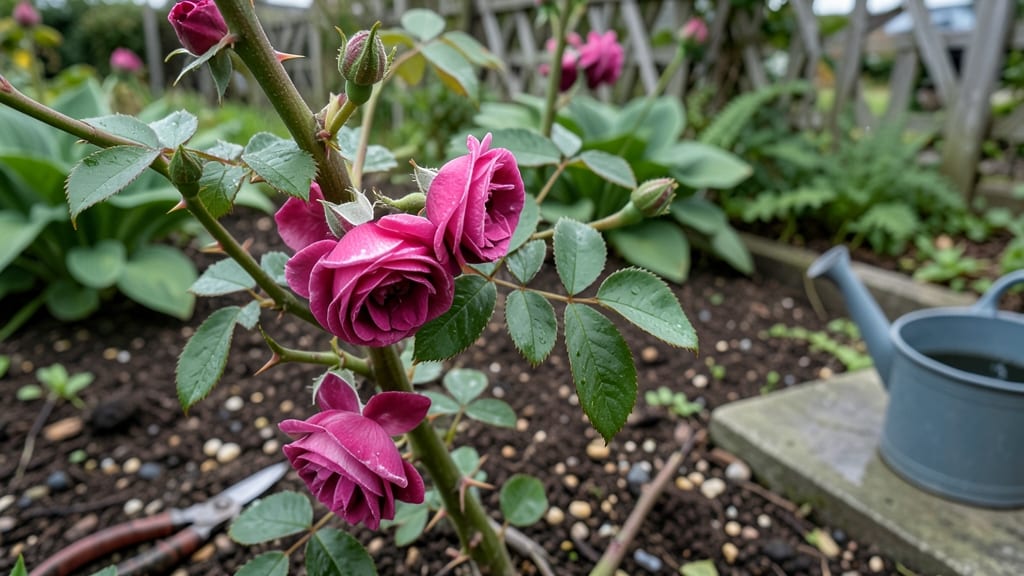
Deer have a particular weakness for flowering plants with high water content, and climbing roses fit that profile perfectly. 🌸 The sweet aroma of the blooms acts like a dinner bell, drawing them in—especially during spring and summer when new growth is most abundant.
Even the thorns, which might deter humans, rarely stop deer, as they’re more focused on the plant’s nutritional value than its defenses. This makes climbing roses one of the most vulnerable garden plants to deer browsing.
What’s more frustrating is that deer often return to the same plants night after night, stripping them of their leaves and buds before they can fully mature. Without intervention, a prized climbing rose can be reduced to bare stems in just a few weeks.
Understanding this behavior is the first step in protecting your garden investment.
💡 In This Article
- Why Deer Are Drawn to Climbing Roses
- Natural Deer-Repellent Strategies for Climbing Roses
Why deer are drawn to climbing roses
Climbing roses attract deer primarily because their tender new growth and blooms contain high levels of moisture and sugars, which are especially appealing during late spring and summer when deer seek nutrient-rich foods.
The delicate stems have a water content of about 75-85%, making them easier to digest than woody plants. 🌿 This high moisture level is a red flag for deer—it signals a plant that’s both hydrating and energy-dense, perfect for their dietary needs during warmer months.
The fragrant blooms act like a natural magnet. Roses emit volatile organic compounds (VOCs) that deer can detect from up to 30 feet away, even in low light.
These compounds, particularly phenylethyl alcohol (responsible for rose’s sweet scent), trigger deer’s foraging instincts. 🌹 Unlike thorny bushes like barberry, which deer avoid due to physical discomfort, climbing roses lack the structural defenses to deter them—even though their thorns can be sharp, deer often focus on the leaves and buds first, leaving the thorns as a secondary concern.
Seasonal patterns play a critical role in deer behavior. In spring, when new shoots emerge, deer target these 1-2 inch growth tips because they’re the most tender and nutrient-dense part of the plant.
By summer, blooms become the primary target, as their high sugar content provides quick energy. 🌿 What’s surprising is that deer rarely consume mature rose leaves—they’re less palatable due to increased tannins and fiber content.
This selective feeding means gardeners can protect climbing roses by focusing on the most vulnerable parts: young shoots and flowers.
The myth that thorns protect roses from deer is largely unfounded. While thorns may deter small mammals or insects, deer have evolved to navigate around them, especially when food scarcity drives their foraging.
Studies show that deer will browse plants with thorns 40% more frequently than thornless varieties if the nutritional reward is high enough. 🦌 This is why even well-established climbing roses can become deer buffets if left unprotected.
Another factor is deer’s natural grazing behavior. They’re crepuscular animals, meaning they’re most active at dawn and dusk—times when gardeners are least likely to notice damage. By the time you spot chewed leaves or missing blooms, the deer may have already returned multiple nights in a row.
This pattern explains why climbing roses often show signs of repeated browsing rather than a single incident.
Understanding these triggers is the first step in protection. Deer don’t eat roses out of malice—they’re simply following their biological instincts for high-moisture, high-sugar plants.
The key to deterrence lies in disrupting these instincts through scent masking, physical barriers, or altering the plant’s attractiveness through strategic pruning or companion planting. 🌿