
Pests and Diseases
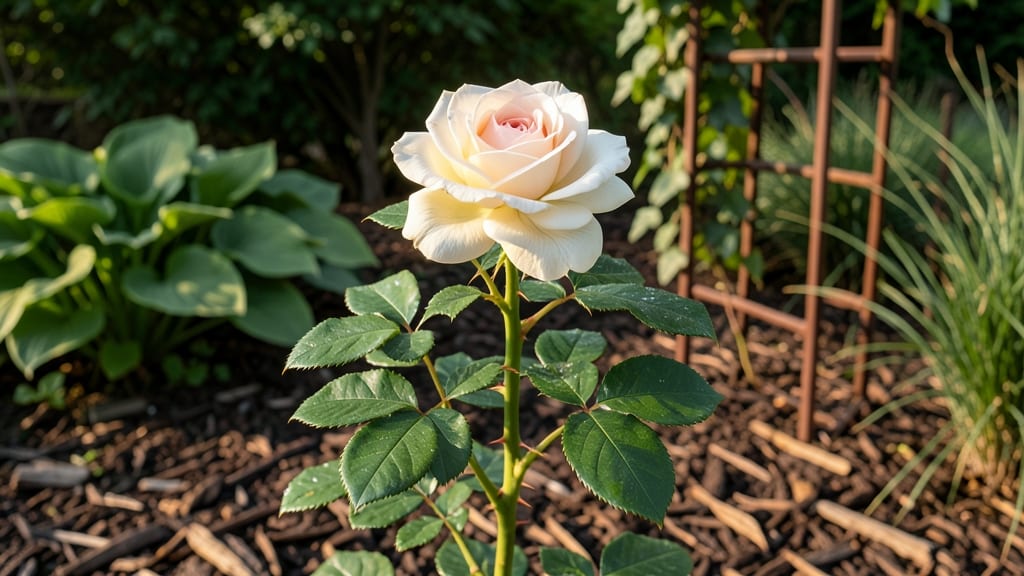
My healthy rose leaves are the secret weapon against pests—just like citronella-infused rose petals—transforming my once-yellowing, spotted roses into lush, thriving blooms with this simple, organic trick. The key is preventing issues before they start: proper watering, good airflow, and regular inspections.
Aphids? Spider mites? Those tiny invaders won’t stand a chance when your leaves smell like citronella and stay strong. I’ll show you how to keep them at bay naturally, so your roses stay healthy and vibrant all season.
📚 In This Guide
- What you need
- Instructions
- Tips and common mistakes
- Wrapping up and next steps
What you need
- ● Fresh rose leaves: 1–2 cups (preferably from organic, pesticide-free roses 🌹). Tip: Harvest from non-sprayed plants for the safest results!
- ○ Citronella oil (optional but potent): 10–15 drops (enhances repellent properties 🌿). Pro tip: Pure, undiluted citronella works best!
- ● Water: 1 quart (filtered or distilled if possible ⚡).
- ● Blender or mortar & pestle: To crush leaves thoroughly 🍃.
- ● Spray bottle (8–16 oz): For easy application in your garden.
- ○ Cheesecloth or fine strainer: To filter out leaf particles (optional but keeps spray clean ✨).
- ● Glass jar (with lid): For storing the mixture (16 oz recommended 🥫).
- ● Gloves: To protect hands from thorns or oils (if sensitive skin 🧤).
- ● Label & marker: To tag your homemade repellent (avoid mix-ups!).
How to grow healthy rose leaves for natural pest control
Here's the straightforward method I've used for years to keep roses thriving while keeping pests at bay.
Select the Right Rose Variety and Planting Site
Choose disease-resistant rose varieties like 'Knock Out' or 'Dr. Huey'—they handle pests better naturally. Plant in full sun (at least 6 hours daily) with well-draining soil. Roses hate soggy roots, so amend heavy clay with 2-3 inches of compost before planting.
Dig a hole twice as wide as the root ball but no deeper. Position the graft union (visible bump near the base) 2 inches above soil level—this prevents root rot later. Water deeply right after planting to settle the soil around roots.
Prune for Airflow and Pest Prevention
Prune in early spring before new growth starts. Remove dead, crossing, or crowded branches first—this improves airflow and reduces humidity where pests thrive. Cut at a 45-degree angle just above an outward-facing bud.
Thin out the center of the bush to let light reach inner leaves. Aim for an open, vase-like shape. Sterilize pruners between cuts with rubbing alcohol to prevent spreading disease. You'll see fewer pests when leaves dry faster after rain.
Apply Organic Pest Control Measures
Neem oil spray (1 tablespoon per quart of water) applied every 2 weeks deters aphids and spider mites. Mix in a drop of dish soap as an emulsifier. Spray early morning or evening when bees aren't active. Reapply after rain.
For citronella power, plant citronella grass (Cymbopogon nardus) around the perimeter. The scent repels mosquitoes and other flying pests. You'll notice fewer pests within 2-3 weeks of consistent application and companion planting.
Maintain Soil Health and Watering Routine
Water at the base of the plant in the morning to prevent fungal diseases. Let the top 2 inches of soil dry between waterings—overwatering causes yellow leaves and attracts pests. Mulch with 2-3 inches of organic mulch to retain moisture and deter weeds.
Fertilize monthly during growing season with balanced organic fertilizer (10-10-10). Avoid high-nitrogen fertilizers—they promote soft, pest-attracting growth. Healthy soil means stronger leaves that pests avoid naturally.
Monitor and Respond to Early Signs of Stress
Check leaves weekly for yellowing, holes, or sticky residue (aphid honeydew). Yellow leaves often signal overwatering or nutrient deficiency. Adjust watering immediately if the soil stays wet longer than 24 hours.
For persistent pests, introduce beneficial insects like ladybugs or lacewings. They eat common rose pests without harming the plant. You'll know your roses are thriving when new leaves appear dark green and glossy with no signs of damage.
Tips & tricks for growing healthy rose leaves
Here's what I've learned over years of keeping roses pest-free and thriving—simple tricks that make all the difference.
Sunlight Strategy: The 6 hours of full sun mentioned in Step 1 is non-negotiable for healthy roses. If your garden gets less, consider using a reflective surface like white gravel or a mirror to bounce extra light onto the plants. I've seen roses in partial shade grow lanky and attract more pests because they're stressed from insufficient light. Morning sun is especially important—it helps leaves dry quickly after dew, reducing fungal issues.
Pruning Precision: When you're pruning in Step 2, don't just cut branches—make it count. The 45-degree angle above an outward-facing bud isn't just technical jargon; it's how you create stronger regrowth. I always make sure my pruners are sharp too—dull blades crush stems instead of cleanly cutting, which invites disease. And that 2 inches above soil level for the graft union? Mark it with a small flag if you're unsure where it is when planting.
Pest Prevention Timing: The 2-week interval for neem oil spray in Step 3 works best when you're consistent. Set a reminder on your phone for every two weeks—missing even one application can lead to an aphid outbreak. I've found that spraying in the early evening gives the oil time to work overnight without harming beneficial insects that are active during the day. And always reapply after rain, even if it's just a light shower.
Soil Health Secret: That 2-3 inches of organic mulch in Step 4 isn't just for looks—it's a game-changer. I use shredded hardwood mulch because it breaks down slowly and improves soil structure over time. The key is to keep it 2 inches away from the stem to prevent rot. For the 2 inches of soil drying between waterings, I insert a wooden skewer into the soil—when it comes out clean, it's time to water again.
Pro Tips for Healthy Rose Leaves
- Here's what I've learned over years of keeping roses pest-free and thriving—simple tricks that make all the difference.
- Sunlight Strategy: The 6 hours of full sun mentioned in Step 1 is non-negotiable for healthy roses.
- Pruning Precision: When you're pruning in Step 2, don't just cut branches—make it count.
Frequently asked questions
Got questions about using healthy rose leaves as a natural pest repellent?
Here are some of the most common queries—and their answers—to help you get the most out of this eco-friendly solution.
Can I use rose leaves fresh or do they need to be dried first?
Both work, but dried rose leaves are more potent! Fresh leaves release oils slowly, while dried leaves concentrate their citronella-like compounds. For immediate use, crush fresh leaves to release essential oils faster. For long-term storage or stronger repellent power, drying (in sunlight or a dehydrator) is ideal.
How long do rose leaves last as a natural pest repellent?
Fresh rose leaves typically last 1–3 days before losing effectiveness, while dried leaves can last weeks to months if stored in an airtight container away from moisture. Refresh your repellent every few days in humid conditions or after rain to maintain its pest-deterring properties.
What’s the best way to store dried rose leaves for future use?
Store dried rose leaves in a glass jar or sealed container with a tight lid in a cool, dark place (like a pantry). Avoid plastic, as it can trap moisture and degrade the leaves’ oils. For extra shelf life, add a bay leaf or lavender sprig to enhance preservation.
Will rose leaves repel all pests, or are some insects immune?
Rose leaves are most effective against mosquitoes, ants, aphids, and spider mites due to their citronella-like compounds. However, stronger pests like deer or rodents may not be deterred—combine with other natural repellents (e.g., garlic spray or neem oil) for broader protection.
Can I use rose leaves from any rose plant, or do specific varieties work better?
Most rose varieties work, but hybrid teas, floribundas, and old garden roses tend to have higher essential oil content. Avoid spray-painted or chemically treated roses—stick to organic, pesticide-free plants. If unsure, test a small batch first to check potency.
Wrapping up and next steps
Discovering the power of healthy rose leaves as a natural pest repellent is a game-changer for gardeners! 🌿 These versatile leaves offer a chemical-free way to keep bugs at bay while adding a refreshing citronella-inspired aroma to your outdoor space.
Whether you're tackling aphids, mosquitoes, or even rabbits, this eco-friendly solution is simple, cost-effective, and safe for your plants and family.
Ready to transform your garden? Start by harvesting fresh rose leaves today—your green space (and your sanity) will thank you! Next step: Experiment with different rose varieties to find the perfect pest-fighting blend for your yard. Happy gardening! 🌸