
Blooming
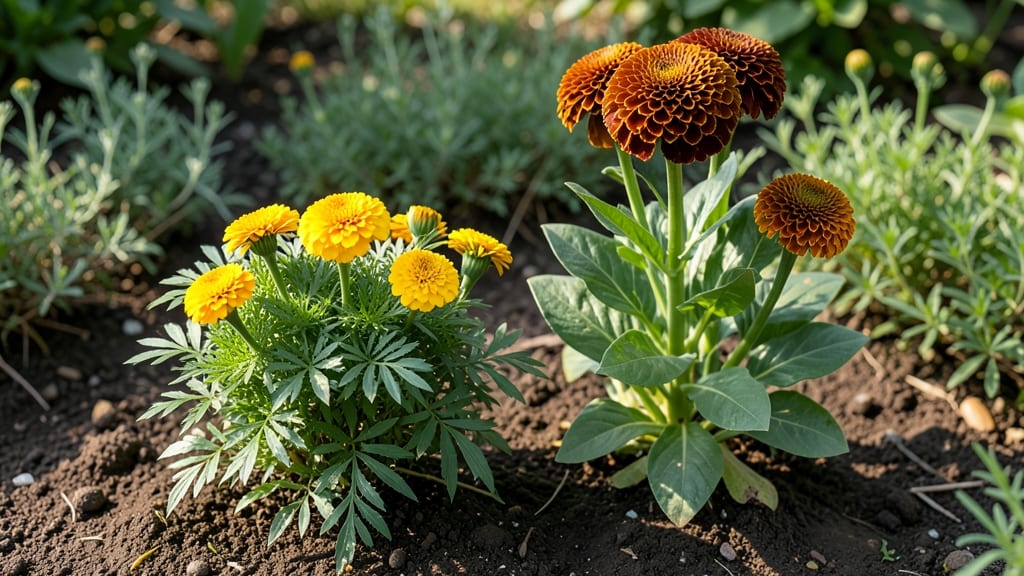
Marigolds bloom all summer with proper care, especially French and African varieties, but reblooming depends on deadheading spent flowers and consistent sunlight. Some types like Mexican marigolds may bloom intermittently without pruning.
Marigolds thrive in summer heat when given the right conditions, but their continuous blooming isn't automatic. 🌻 French marigolds, with their delicate petals, often produce nonstop flowers when you remove faded blooms regularly, while African varieties pack a punch with their bold colors and longer stems.
The key is understanding each variety's natural rhythm—some, like Mexican marigolds, may take breaks between blooming cycles unless you encourage them with proper care. I've seen gardeners extend the season by 3-4 weeks just by staying consistent with deadheading and watering.
What makes summer blooming possible is the plant's response to sunlight and temperature. Marigolds love full sun—at least 6-8 hours daily—and they'll reward you with vibrant flowers when the days stay warm. However, too much heat without proper watering can stress the plants, leading to fewer blooms.
I always check the soil moisture before watering deeply, especially during heatwaves, to keep those flowers coming without wilting.
💡 In This Article
- Marigold Varieties and Their Summer Blooming Patterns
- Deadheading and Care Tips for Nonstop Marigold Flowers
Marigold varieties and their summer blooming patterns
French marigolds are the summer showstoppers, producing delicate 1-2 inch blooms in shades of yellow, orange, and gold. Their secret? These varieties bloom continuously from early summer until frost when you remove spent flowers—a process called deadheading.
The blooms appear on short stems, often right at the plant's base, creating a dense, carpet-like effect. What makes them unique is their sensitivity to light: they respond to 12+ hours of daylight by producing more flowers, which is why they thrive in long summer days.
African marigolds, on the other hand, pack a bolder punch with their 3-5 inch blooms and taller stems reaching 2-3 feet. These varieties naturally bloom in cycles, but with consistent deadheading, they'll produce flowers for 3-4 months straight.
The key difference is their heat tolerance—African marigolds handle 90°F+ temperatures better than French types, making them ideal for southern climates. Their larger blooms also attract more pollinators, creating a vibrant garden ecosystem.
Mexican marigolds (like the 'Crackerjack' series) have a different rhythm—they often bloom in 2-3 week cycles naturally, with breaks between. Without deadheading, they'll focus energy on seed production rather than new flowers. The good news?
Their deep orange and red hues make them stand out, and they're more drought-tolerant than French types. In my experience, they'll reward you with 2-3 blooming cycles per summer if you prune back the seed heads after each flush.
Regional climate plays a huge role in blooming patterns. In cooler northern areas, marigolds may need black plastic mulch to warm the soil, while southern gardens benefit from afternoon shade during extreme heat. The photoperiod (day length) triggers blooming—when days shorten in late summer, even well-cared-for plants may slow down.
This is why gardeners in Zone 5-7 often see peak blooming from June through August, while tropical zones can extend this to October or November.
Here's what's actually happening at the cellular level: When you deadhead, you're removing the spent flower's ovary, which signals the plant to redirect energy from seed production to new growth. This hormonal response—similar to how pruning stimulates bushier growth—keeps the plant in a continuous blooming state.
The phytohormone ethylene, which accelerates senescence (aging) in flowers, is what you're preventing from building up when you remove faded blooms promptly.
For the longest summer display, pair French marigolds (for ground cover) with African types (for height) and Mexican varieties (for color contrast). The combination creates a 3-tiered blooming effect that extends your garden's seasonal interest.
Just remember: African types need more frequent deadheading (every 2-3 days during peak bloom), while French varieties can handle weekly maintenance. 🌻