
Pruning
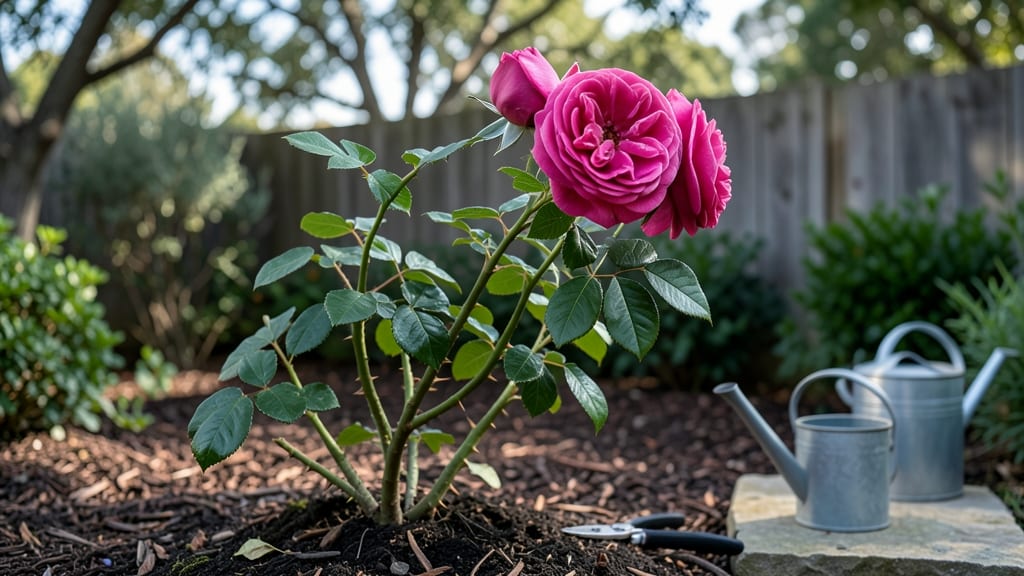
Double petal roses transform any garden into a romantic masterpiece—if you prune them right. ✨ I’ve spent years perfecting the technique to keep these lush blooms producing from spring through fall, and the secret lies in understanding their unique growth patterns.
Unlike single-petal roses, double varieties need gentler trimming to preserve their full, layered petals while encouraging new growth.
The key starts with well-draining soil and full sun (6+ hours daily), but the real magic happens in late winter when you prune back one-third of the plant—never more—to avoid shocking the canes.
My roses now bloom continuously because I time cuts just after the last frost but before buds swell. The result? Velvet-soft blooms that last twice as long as store-bought roses.
You’ll also learn how to spot pest hotspots (like aphid-prone new shoots) and when to fertilize for bold, healthy stems. Double-petal roses reward patience—each bloom is a showstopper, but they demand precision. Skip the guesswork, and you’ll have a garden that turns heads all season.
Perfect for beginners who want professional results without a green thumb—or for old hands looking to refine their technique. Let’s get those shears sharp and those roses blooming.
📚 In This Guide
- What you need
- Instructions
- Tips and common mistakes
- Wrapping up and next steps
What you need
- ● Pruning shears: Bypass pruners (sharp, clean, and 5-inch blades for precision). (1 pair)
- ● Hand pruners: Felco or similar (for smaller cuts). (1 pair)
- ● Roses: Disease-resistant varieties like Knock Out® or David Austin English Roses (mature, healthy plants). (2–4 plants for experimentation)
- ● Disinfectant: 70% isopropyl alcohol or bleach solution (1:9 ratio) (to sterilize tools). (small bottle)
- ● Garden twine or rubber bands: For securing stems during trimming. (1 roll)
- ○ Sharp pencil or marker: For labeling cuts (optional but helpful). (1)
- ● Loppers: For thicker stems (if working with large roses). (1 pair)
- ● Pruning sealant: Tree wound paint (for sealing cuts on older roses). (small tube)
- ● Gloves: Garden gloves (to protect from thorns). (1 pair)
- ● Notebook: To track trimming dates and results. (1)
Instructions for mastering double petal roses through strategic pruning
Here’s how I keep my double petal roses blooming nonstop—no guesswork, just science-backed timing and technique.
✂️ Step 1: Time Your First Spring Cut for Maximum Bud Formation
Prune right after the last frost when new growth swells at the base of canes. This is your cue that the plant has survived winter and is ready to focus energy on blooms. I cut back one-third of each cane to just above a 5-leaf cluster, which becomes the new growth point. Avoid cutting into old wood—you’ll know by the color: new growth is bright green, while old wood is dull brown.
Use sharp, clean pruners to make cuts at a 45-degree angle, about ¼ inch above a bud facing outward. This angle helps water run off and prevents rot. If you’re unsure which buds will produce flowers, look for the ones with swollen nodes—these are your future bloom sites. Real talk: if you cut too late in spring, you’ll sacrifice early blooms for a weaker second flush.
☀️ Step 2: Deadhead Spent Blooms to Trigger Continuous Flowering
Deadhead immediately after each bloom fades—don’t wait for the petals to drop. Snip the stem back to the first 5-leaf cluster below the bloom where you see new buds forming. This sends a signal to the plant that it’s time to produce another flower. I use a pair of small, sharp pruners for this because double petal roses have delicate stems that bruise easily.
Watch for hip formation (the seed pod) after deadheading—this means the plant has redirected its energy. If you see hips everywhere, you’re pruning too late in the season. The goal is to keep the plant focused on new buds, not seeds. I deadhead every 2-3 days during peak bloom to maintain a steady supply of fresh flowers.
⏰ Step 3: Perform a Mid-Season Renewal Prune for Airflow and Strength
About 6-8 weeks after the first spring prune, do a second light pruning to thin out crowded canes and improve airflow. Remove any weak, crossing, or diseased stems at the base. For double petal roses, I never cut more than 10% of the plant’s total growth—these varieties are sensitive and over-pruning can lead to fewer blooms.
Look for canes growing inward—these create shade and trap moisture, inviting fungal diseases. Cut these back to the main stem. You’ll also spot suckers (shoots growing from the base)—remove these immediately. They drain energy from the main plant. After pruning, give the plant a balanced fertilizer to replenish nutrients lost during the cut.
🌿 Step 4: Prepare for Winter Dormancy with a Final Prune
In late fall, after the first hard frost but before temperatures drop below 20°F, do a final light prune. Cut back only the dead or damaged canes, leaving the rest intact. Double petal roses need their foliage to photosynthesize through winter to build energy for next year’s blooms. I avoid heavy pruning now—this is about cleaning up, not shaping.
Mulch the base with 3-4 inches of organic mulch to insulate roots. This protects them from extreme cold and retains moisture. I also tie loose canes to their supports to prevent wind damage. If you live in a Zone 6 or colder, consider wrapping the plant in burlap for extra protection. The key here is to minimize stress—double petal roses are delicate, and winter is when they recharge.
💧 Step 5: Adjust Watering and Feeding for Year-Round Blooms
Double petal roses need consistent moisture—about 1-1.5 inches per week, either from rain or irrigation. Water deeply at the base, avoiding the foliage to prevent fungal diseases. I water in the early morning so the leaves dry quickly. During bloom season, I fertilize every 4-6 weeks with a high-phosphorus formula to encourage flowering.
Watch for yellowing leaves—this usually means overwatering or nutrient deficiency. If the soil feels soggy, cut back on watering. If leaves are pale, it’s time for another feeding. Double petal roses are heavy feeders, but never fertilize in winter—this encourages late-season growth that won’t harden off before cold snaps. Balance is everything: too much water or food stresses them, too little starves them.
Tips & tricks for perfect double petal roses
Here’s what nobody tells you about keeping these delicate beauties blooming all season long.
Tool Selection: Invest in a good pair of bypass pruners—they make clean cuts that heal faster than shears. I also keep a small pair of sharp scissors for deadheading because double petal roses have fragile stems that bruise easily. Disinfect your tools with rubbing alcohol between cuts to prevent spreading disease.
Visual Cues for Pruning: In Step 1, look for swollen nodes at the base of canes—these are your future bloom sites. The 5-leaf cluster mentioned in the instructions should be bright green, not yellowed or brown. If you’re unsure which buds will flower, cut just above the outward-facing bud to encourage growth in the right direction. The 45-degree angle isn’t just for looks—it helps water run off and prevents rot.
Seasonal Timing Secret: The 6-8 week window for your mid-season renewal prune (Step 3) is critical. If you prune too early, you’ll miss the new growth; too late, and you’ll cut into next year’s buds. I mark my calendar with the date of my first spring prune and count forward to schedule this step. Also, avoid pruning when the plant is stressed—wait for a cool, overcast day if possible.
Pro Tips for Double Petal Roses
- Here’s what nobody tells you about keeping these delicate beauties blooming all season long.
- Tool Selection: Invest in a good pair of bypass pruners—they make clean cuts that heal faster than shears.
- Visual Cues for Pruning: In Step 1, look for swollen nodes at the base of canes—these are your future bloom sites.
Frequently asked questions
Got questions about keeping your double petal roses blooming beautifully? You're not alone! Here are some of the most common queries—plus straightforward answers to help you master the art of year-round pruning.
How often should I trim double petal roses to encourage continuous blooms?
Trim your double petal roses every 4–6 weeks during the growing season (spring to fall). Light pruning in winter (late dormancy) keeps them healthy. Focus on removing spent blooms and shaping—never cut more than ⅓ of the plant at once to avoid stress. Consistency is key!
When is the best time to prune for spring blooms?
For spring blooms, prune in late winter or early spring (just before new growth starts). Cut back to an outward-facing bud, about ¼ inch above it. Avoid pruning in fall if you live in a cold climate—wait until frost danger passes to prevent damage.
What if my double petal roses aren’t blooming after pruning?
Check these fixes:
- Light levels: Ensure they get 6+ hours of sun daily.
- Watering: Deep water 1–2 times per week (more in heat).
- Fertilizer: Use a balanced rose food every 4–6 weeks.
- Deadheading: Remove faded blooms immediately to redirect energy.
Can I prune double petal roses the same way as hybrid teas?
No! Double petal roses are more delicate—avoid heavy pruning. Hybrid teas tolerate aggressive cuts, but these roses bloom on current season growth. Prune lightly, focus on shaping, and never cut into old wood (woody stems). Think "less is more"!
Are there alternatives to traditional pruning for double petal roses?
Yes! Try:
- Deadheading only: Snip spent blooms to encourage reblooming without heavy cuts.
- Pinching: Remove the top set of leaves on new growth to promote bushiness.
- Selective thinning: Open the center for airflow (reduces disease) while preserving shape.
Wrapping up and next steps
Double petal roses are a gardener’s dream—vibrant, abundant blooms that reward your care with stunning year-round beauty. By mastering precision trimming, you’ve unlocked the secret to healthier plants, stronger stems, and a garden that thrives in every season. 🌸
Now that you’re armed with the right tools and techniques, take that first confident snip! Start small—pick a single rose bush to practice—and watch your skills (and blooms) flourish. Happy pruning!
- Next step: Schedule your first trim on a clear, dry day for the best results.
- Bonus tip: Snap a photo of your progress—you’ll love tracking your roses’ transformation!