
How To
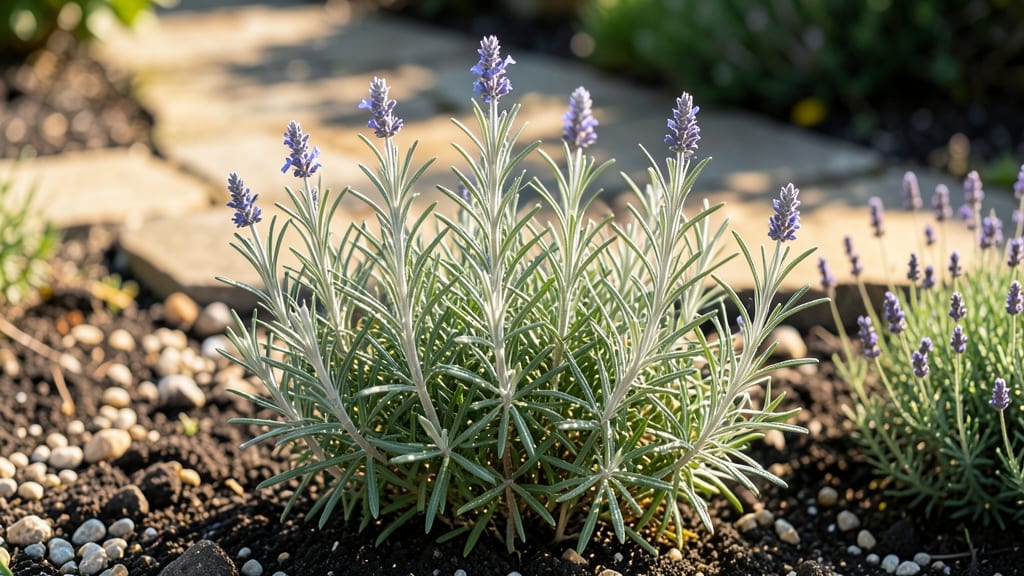
Rosemary grows to a mature height of 3 to 6 feet and spreads 2 to 4 feet wide, making it a striking, woody shrub that thrives in full sun.
If you’ve ever pictured rosemary as just a small potted herb, you might be surprised—this hardy perennial can become a garden centerpiece with its silvery-green foliage and delicate blue flowers.
But before you plant, knowing its size helps you choose the perfect spot: too cramped, and it gets leggy; too much space, and it loses its charm.
Standard varieties like 'Arp' reach 4 to 6 feet tall, while dwarf types such as 'Prostratus' stay under 2 feet and spill beautifully over containers. Pruning in spring keeps it bushy, while neglect lets it grow tall and woody—so your choices shape its size every year.
Whether you’re tucking it into a herb garden or using it as a fragrant hedge, I’ll show you how to balance its natural growth with your space—plus the best pruning tips to keep it looking its best all season.


Rosemary growth size: height, spread & varietal differences
Rosemary’s mature size varies dramatically depending on the variety and growing conditions. While some types stay compact enough for container gardening, others can grow into large shrubs reaching heights of 6 feet or more.
Understanding these differences ensures you place your rosemary where it thrives—whether that’s a herb garden bed or a potted patio display.
The most common rosemary varieties fall into three growth categories: dwarf types (1–2 feet tall), standard shrubs (3–6 feet tall), and trailing varieties that spread horizontally.
Climate, soil, and pruning habits all play a role in how big your rosemary will grow, especially in USDA zones 7–10, where it thrives year-round.
| Variety | Mature Height | Mature Spread | Growth Form | Best For |
|---|---|---|---|---|
| 'Prostratus' | 1–2 ft | 3–4 ft | Trailing | Containers, hanging baskets, ground cover |
| 'Arp' | td style="padding: 10px;">3–5 ft2–3 ft | Upright | Garden beds, borders, hedges | |
| 'Blue Spires' | 3–4 ft | 2–3 ft | Bushy upright | Herb gardens, mixed borders |
| 'Hill Hardy' | 4–6 ft | 3–4 ft | Tall upright | Large gardens, background planting |
| 'Rosea' | 2–3 ft | 2–3 ft | Compact bushy | Containers, small spaces |
*Sizes based on ideal growing conditions in USDA zones 7–10. Container sizes may be 20–30% smaller.
In container gardens, rosemary typically stays 20–30% smaller than its in-ground counterparts. A 12-inch pot is the minimum for dwarf varieties like 'Prostratus', while standard types like 'Arp' need 18–24 inches of depth to reach their full height.
Poor drainage or root-bound conditions can stunt growth, so always use pots with drainage holes and well-draining potting mix.
Climate plays a huge role in rosemary’s size.
In warmer zones (9–10), rosemary grows faster and larger due to longer growing seasons, while in cooler zones (7–8), it may stay more compact unless protected from frost. Well-draining soil is critical—rosemary hates soggy roots, which can lead to root rot and stunted growth.
Amend heavy clay soil with sand or gravel to improve drainage.
Pruning is the secret to controlling rosemary’s size. Regular trimming encourages bushier growth and prevents leggy stems. For upright varieties, prune the top third in early spring to maintain shape, while trailing types benefit from pinching back new growth to encourage denser foliage.
Avoid heavy pruning in late summer, as this can reduce winter hardiness.
If you’re growing rosemary in USDA zone 6 or cooler, expect it to grow more slowly and stay smaller unless you provide winter protection. Mulching with gravel or straw helps insulate roots and encourages stronger growth in spring.
In these regions, dwarf varieties like 'Rosea' are the best choice for reliable performance.
One common misconception is that rosemary will always grow into a large shrub. In reality, proper pruning and container limits can keep even standard varieties like 'Arp' at a manageable 3–4 feet tall.
The key is to prune regularly and avoid over-fertilizing, which can lead to soft, floppy growth instead of the woody stems you want for structure.
For herb garden planning, space rosemary plants 12–36 inches apart, depending on the variety. Dwarf types can be planted 12 inches apart in rows, while taller varieties need 24–36 inches of space to avoid crowding.
Overcrowding leads to poor air circulation, increasing the risk of fungal diseases like powdery mildew.
If you’re using rosemary as a hedge or border plant, opt for upright varieties like 'Hill Hardy' and prune them twice a year—once in spring and once in early summer—to maintain a neat, uniform shape.
With the right variety and care, your rosemary can become a fragrant, low-maintenance focal point in your garden.
🌿
Best pruning techniques to control rosemary size & shape
Pruning rosemary isn’t just about keeping it tidy—it’s the secret to controlling its height and spread while encouraging lush, bushy growth. Without regular trimming, your rosemary can grow 3–6 feet tall and sprawl just as wide, crowding out other plants.
But with the right techniques, you can shape it into a compact shrub or even a trailing ground cover, depending on your garden’s needs.
The best time to prune is in early spring or late fall, just before new growth begins. This timing helps the plant recover quickly and prevents winter damage. Avoid pruning in summer unless you’re harvesting leaves, as heavy cuts can stress the plant during peak growth.
Always use clean, sharp pruners to make precise cuts—dull tools crush stems, inviting disease.
Here’s your step-by-step guide to pruning rosemary for the perfect size and shape:
Pruning rosemary correctly can transform its growth habit dramatically. For example, if you want a low, spreading plant like 'Rosemary Prostratus,' focus on trimming the tops to encourage lateral growth. If you prefer an upright bush, prune the sides to let the center grow taller.
Regular pruning also keeps your rosemary denser and more aromatic, making it perfect for culinary use.
One of the biggest mistakes gardeners make is over-pruning in a single session. Cutting back more than one-third of the plant at once can shock it, leading to stunted growth or even death.
Instead, spread pruning out over 2–3 sessions if needed, giving the plant time to recover between cuts. Always step back and assess the shape—your goal is balance, not just size control.
With consistent pruning, your rosemary will stay healthy, vibrant, and perfectly sized for your garden—whether you’re growing it as a border plant, a container specimen, or a fragrant addition to your kitchen garden. 🌿✂️