
Trees
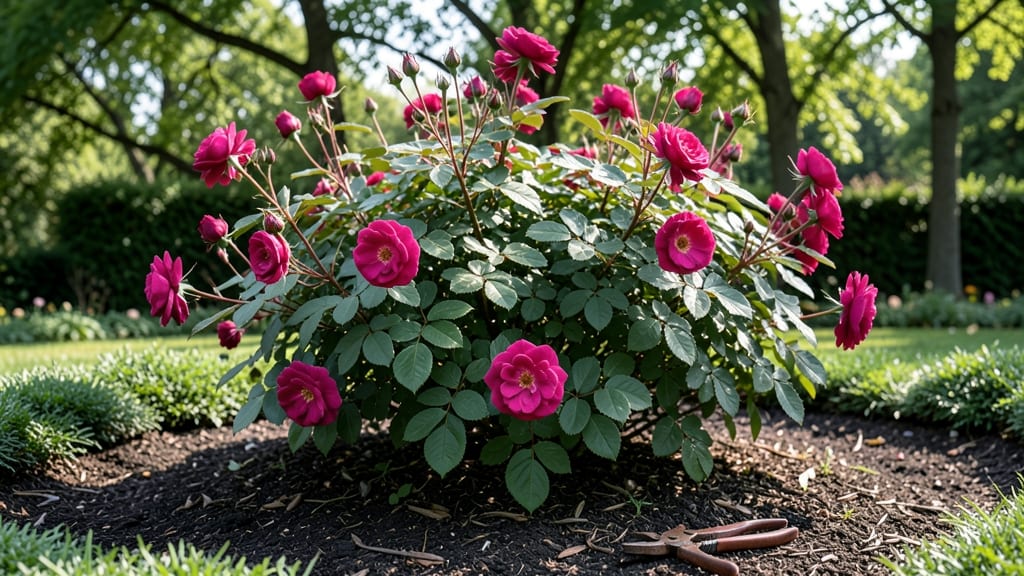
Wondering how tall do rose trees grow, you’ll find they range from just 1 foot to towering 10 feet, depending on the variety and care.
Wondering whether your rose bushes will tower over your fence or stay neatly contained in a small garden bed? The height of rose trees varies dramatically by variety—and knowing these differences can help you choose the perfect plants for your space.
Dwarf roses like 'Fairy' or 'Bonica' stay under 3 feet, making them ideal for small gardens or containers, while climbing varieties such as 'New Dawn' or 'Blaze' can reach heights of 10 feet or more, perfect for trellises or fences.
In this guide, we’ll break down the exact height ranges for popular rose types, share tips for controlling growth, and help you plan your garden layout for stunning, manageable blooms.


Rose tree height ranges by variety: from dwarf to climbing giants
Choosing roses for your garden often comes down to one key question: how tall do rose trees grow? The answer varies wildly—from compact dwarf varieties perfect for containers to towering climbing roses that can cover trellises taller than your house.
Understanding these height ranges helps you plan spacing, support structures, and even fence placement before you plant.
Roses aren't one-size-fits-all plants. Their mature heights depend on their classification, growth habits, and even your pruning approach. For example, a hybrid tea rose might stay neatly at 4 feet, while a climbing rose like 'New Dawn' can reach 15 feet or more with proper support.
Let's break down the most popular rose types by their typical height ranges so you can pick the perfect fit for your space.
| Rose Type | Mature Height Range | Growth Habit | Best For |
|---|---|---|---|
| Dwarf Roses | 1-3 feet | Compact, bushy | Containers, small gardens, window boxes |
| Shrub Roses | 3-6 feet | Upright, multi-stemmed | Borders, hedges, mixed beds |
| Hybrid Tea Roses | 4-6 feet | Single-stemmed, tall blooms | Cut flowers, formal gardens |
| Floribunda Roses | 2-5 feet | Bushy, cluster blooms | Mass planting, borders, containers |
| Climbing Roses | 8-20+ feet | Long canes, needs support | Arbors, trellises, fences |
| Ground Cover Roses | 1-3 feet (spreading) | Low-growing, sprawling | Slopes, under trees, erosion control |
| Standard Roses | 5-10 feet (with grafted stem) | Single trunk with bushy top | Focal points, small trees |
If you're working with a small garden space, dwarf roses or ground cover varieties like 'The Fairy' or 'Iceberg' are ideal. These stay under 3 feet tall but still produce stunning blooms.
For example, 'The Fairy' maxes out at just 2 feet, making it perfect for window boxes or balcony planters.
For vertical gardening, climbing roses like 'Blaze' or 'Zephirine Drouhin' are game-changers. 'Blaze' can reach 12-15 feet when given proper support, while 'Zephirine Drouhin' is a rambling type that can climb 20 feet or more if trained on a sturdy trellis.
These varieties transform plain walls or fences into living tapestries of color.
Don't overlook shrub roses for mid-height options. Varieties like 'Knock Out' roses stay between 3-5 feet tall and produce non-stop blooms with minimal pruning. They're excellent for hedges or mixed borders where you want both height and color without the maintenance of climbing types.
When planning your garden layout, always consider mature height—not just the initial size of the plant. A 3-foot rose bush can easily double in height if not pruned properly, while a climbing rose left unchecked can smother nearby plants.
For instance, 'New Dawn' starts small but can grow 10+ feet if given enough support and space.
Pro tip: Check the graft union when purchasing roses. This tells you where the rootstock meets the desired variety. If you prune below this point, the rose may revert to growing like the rootstock—often much taller or shorter than expected.
For example, a climbing rose grafted onto a shrub rootstock might only reach 6 feet instead of its potential 15 feet.
For container gardening, stick to dwarf or mini roses
How to control rose tree height naturally: pruning tips & growth habits
Managing the height of your rose trees doesn't require harsh chemicals or drastic measures. With the right pruning techniques and growth habits, you can naturally shape your roses to fit your garden space—whether you want a compact bush or a towering climber.
The key lies in understanding when and how to prune, along with a few simple cultural practices that encourage controlled growth.
Roses grow best when given the right balance of sunlight, water, and nutrients. However, their height can spiral out of control if left unchecked. By mastering seasonal pruning and root management, you can guide their growth without stunting their natural beauty.
Let’s explore practical methods to keep your roses at your desired height while promoting healthier, more abundant blooms.
If your roses are growing too tall too quickly, summer pruning can help. Lightly trim back overgrown branches after major blooms to redirect energy toward bushier growth rather than height. Always use sterilized pruners to prevent disease spread.
For climbing roses, encourage a bushier habit by pinching back new growth regularly. This creates more flowering stems while keeping the plant from becoming a single, unmanageable vine. Pair this with a strong trellis or arbor to guide their growth upward naturally.
Remember, roses thrive on consistency. Combine these techniques with proper watering schedules and sunlight exposure, and you’ll enjoy perfectly sized roses that bloom beautifully year after year—without the guesswork.