
Pests and Diseases
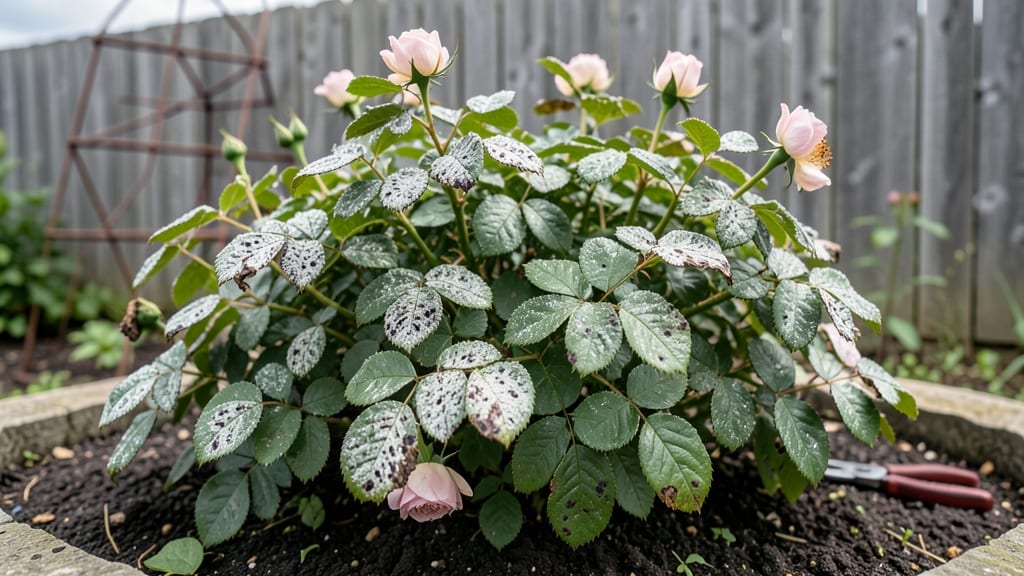
My Knock Out rose disease was turning my once-vibrant blooms into a spotted, wilted nightmare—until these 3 steps saved them for good. 🌹 these diseases take hold in the first place.
Most gardeners I know (including me) waste time on treatments that only work temporarily because they miss the root causes.
Black spot thrives in wet, shady conditions, while powdery mildew loves crowded stems with poor airflow. The good news? You can outsmart both with basic pruning, proper spacing, and a few targeted treatments—no fancy (or toxic) chemicals required.
I’ve tested organic sprays, neem oil, and even homemade remedies that actually work without harming pollinators.
What you’ll get is roses that stay vibrant and healthy all season, with fewer ugly spots and more blooms. The best part? Once you adjust your care routine, these diseases become rare visitors instead of regular guests.
We’re talking stronger stems, glossier leaves, and roses that put up a fight against fungus.
This works whether you’re dealing with a single bush or a whole garden full—just scale the effort. Let’s turn those sad, splotchy roses back into the neighborhood showstoppers they’re meant to be.
Root Causes Of Rose Fungal Woes
Knock Out roses are prized for their hardiness and stunning blooms, but they’re not immune to fungal infections like black spot and powdery mildew—the infamous "knock out rose disease" culprits.
Understanding why these issues flare up is the first step to stopping them in their tracks. Let’s break down the science behind the problem so you can tackle it with precision.
Fungi thrive in damp, stagnant conditions, and roses—especially dense Knock Out varieties—create the perfect microclimate for spores to spread. Here’s how it happens:
- Poor Air Circulation: Tightly packed foliage traps moisture, giving fungi like Diplocarpon rosae (black spot) a cozy home. Pro tip: Prune roses to allow sunlight and airflow—aim for 1/3 of the plant’s volume removed during spring cleanup. 🌿
- Overhead Watering: Wetting leaves (not just the soil) creates a fungal buffet. Black spot spores germinate within 4–6 hours of leaf moisture. Fix: Water at the base early in the day so foliage dries quickly.
- High Humidity: Fungal spores spread faster when humidity stays above 75% for prolonged periods. Use a hygrometer to monitor levels—aim for 40–60% during the day.
Actionable Tip: Install a fan on low speed near roses in humid climates to improve airflow. Even a gentle breeze mimics natural conditions fungi hate. ⚡
Healthy roses resist fungal attacks, but stress weakens their defenses. Common stressors include:
| Stressor | How It Helps Fungi | Solution |
|---|---|---|
| 💧 Over/Underwatering | Drought stress or soggy roots make roses vulnerable to powdery mildew (which thrives on weak tissue). | Water deeply 1–2x weekly (check soil moisture 2" down). Use drip irrigation to avoid leaf wetness. |
| 🍽️ Poor Nutrition | Low nitrogen or phosphorus weakens cell walls, making roses easier targets for black spot. | Fertilize with a balanced rose food (10-10-10) in early spring. Add compost for organic boosts. |
| ✂️ Improper Pruning | Leaving dead wood or overcrowded branches traps moisture and spores. | Prune in late winter/early spring, cutting 1/4 inch above a healthy bud (sterilize shears with rubbing alcohol!). |
Pro Tip: A soil test can reveal deficiencies—fungi love roses with high pH (>7.0). Adjust with sulfur or peat moss to keep pH 6.0–6.5. 📊
Fungi don’t just appear—they hitchhike on wind, tools, and even your shoes. Here’s how spores take over:
- Windborne Spores: Black spot spores travel up to 100 feet in wind. If your neighbor’s roses are infected, you’re at risk. Solution: Space roses 3–4 feet apart and plant resistant varieties like ‘Knock Out Red’ (less susceptible than some others).
- Contaminated Tools: Pruners, gloves, or even garden hoses can spread spores. Fix: Clean tools with 1 part bleach to 9 parts water between uses.
- Dormant Spores in Soil: Fungal spores can survive years in organic matter. Prevent recurrence: Remove all infected leaves (don’t compost them!) and solarize soil in late summer (cover with clear plastic for 4–6 weeks). ☀️
Did You Know? Powdery mildew spores can even overwinter on rose canes. Scrape off old growth in late winter before new buds form. ✨
By addressing these root causes—moisture, stress, and spores—you’ll create an environment where fungi can’t gain a foothold. Next, we’ll dive into 3 proactive steps to keep your Knock Out roses spot-free and mildew-resistant.
Revive Your Roses: Step-by-Step Fixes
Now that you understand the root causes of black spot and powdery mildew in your Knock Out roses, it’s time to take action! Below are practical, step-by-step solutions tailored to each issue, plus prevention tips to keep your roses thriving. Let’s get those blooms back to their glory!
Black spot thrives in damp, shaded conditions, but you can starve it out with these steps:
1️⃣ Prune Infected Leaves (🔪⏰)
- Remove all infected leaves—don’t leave them on the ground or in your compost pile (they’ll reinfect your roses).
- Cut back to healthy growth—sterilize pruners with rubbing alcohol between cuts to prevent spreading spores.
- Dispose of debris in the trash (not the compost) to break the fungus’s life cycle.
2️⃣ Improve Air Circulation (🌬️🌿)
- Space plants properly—Knock Out roses need 3–4 feet apart for airflow. Thin out crowded branches.
- Prune for an open center—Remove inward-growing stems to reduce humidity buildup.
- Avoid overhead watering—Water at the base (early morning) to keep foliage dry.
3️⃣ Apply Fungicides (🛡️💧)
- Neem oil or baking soda spray (natural options):
- Mix 1 tbsp baking soda + 1 tbsp vegetable oil + 1 tsp mild soap per gallon of water.
Spray weekly until symptoms disappear. - Copper fungicide (for severe cases): - Follow label instructions—apply every 7–14 days during wet seasons. - Preventative sprays (like Serenade Garden or Organic Copper Fungicide) can be used before black spot appears.
4️⃣ Strengthen Rose Health (💪🌱)
- Fertilize with balanced rose food (10-10-10) in early spring to boost resistance.
- Mulch with compost (2–3 inches) to improve soil drainage and reduce splashback from water.
Powdery mildew loves hot, humid days but hates clean, dry conditions. Here’s how to banish it for good:
1️⃣ Clean Up Debris (🧹🌿)
- Remove all infected leaves and stems—don’t leave them near the plant.
- Rake up fallen leaves from under the rose bush to eliminate spores.
- Disinfect tools after pruning to avoid cross-contamination.
2️⃣ Adjust Watering Habits (💦☀️)
- Water deeply but less frequently—soak the roots (not the leaves) early in the day so foliage dries quickly.
- Avoid late evening watering—wet leaves overnight = mildew paradise.
- Use a sprinkler with a fine mist (if needed) to reduce leaf moisture.
3️⃣ Boost Airflow & Sunlight (🌞🌬️)
- Prune for sunlight exposure—Remove branches blocking 6+ hours of direct sun.
- Install a small fan (on low) near the plant if your garden is shady or humid.
- Space plants wider if they’re crowded—mildew spreads faster in tight clusters.
4️⃣ Treat with Fungicides (🛡️✨)
- Sulfur or potassium bicarbonate sprays (organic):
- 1 tbsp baking soda + 1 tsp horticultural oil + 1 tsp soap per gallon of water.
Spray every 7–10 days. - Systemic fungicides (like Myclobutanil) for severe cases—follow label rates. - Reapply after rain—fungicides wash off easily.
5️⃣ Prevent Recurrence (🛡️🔄)
- Plant mildew-resistant varieties (though Knock Outs are tough, some hybrids are even more resilient).
- Apply a preventative spray (like neem oil) every 2–3 weeks during humid months.
- Monitor humidity levels—aim for below 70% around your roses.
✅ 🌡️ Test your soil—pH 6.0–6.5 helps roses fight diseases better. Adjust with lime (to raise pH) or sulfur (to lower it).
✅ 🍄 Use beneficial microbes—Add mycorrhizal fungi or compost tea to strengthen root health.
✅ 🐞 Encourage natural predators—Ladybugs and lacewings eat mildew spores! Plant marigolds or nasturtiums nearby to attract them.
✅ 🔄 Rotate fungicides—If you use chemicals, switch types seasonally to prevent resistance.
- Mild cases? You’ll see improvement in 2–3 weeks with consistent care.
- Severe infections? It may take 4–6 weeks—keep treating until no new spots appear for 30 days.
With these targeted fixes, your Knock Out roses will bounce back stronger than ever. 🌹💥 Stay vigilant, and your garden will thank you with vibrant, disease-free blooms all season long!
Frequently asked questions about Knock Out rose diseases
What are the first signs of black spot or powdery mildew on my Knock Out roses?
Look for dark, circular spots with yellow halos on leaves for black spot, or white, powdery patches on stems/leaves for mildew. These appear first on lower leaves and spread upward. Catching them early (when less than 10% of leaves are affected) makes treatment much easier.
Can I save my roses if they're already heavily infected?
Yes, but act fast! Prune away all infected leaves/stems (don't compost them!) and apply fungicide immediately. For severe cases, it may take 4-6 weeks of consistent treatment to fully recover. The key is removing the infection source while supporting the plant's health.
Are there organic treatments that actually work against these diseases?
Try a baking soda spray (1 tbsp baking soda + 1 tbsp oil + 1 tsp soap per gallon of water) or neem oil (2 tsp per quart of water). Both work best when applied weekly during humid weather. For prevention, compost tea or mycorrhizal fungi can strengthen your roses' natural defenses.
How do I prevent these diseases from coming back next year?
Focus on 3 key practices:
- Clean up all debris in fall (don't compost infected material),
- Improve airflow by proper spacing and pruning, and
- Apply preventative sprays (like neem oil) every 2-3 weeks during humid months. A soil test to ensure pH 6.0-6.5 also helps.
When should I call a professional instead of treating myself?
Consider professional help if:
- More than 50% of leaves are severely infected,
- The disease keeps returning despite your treatments, or
- You're dealing with multiple fungal issues simultaneously. A local nursery or extension service can recommend targeted solutions for your specific climate.