
Pruning
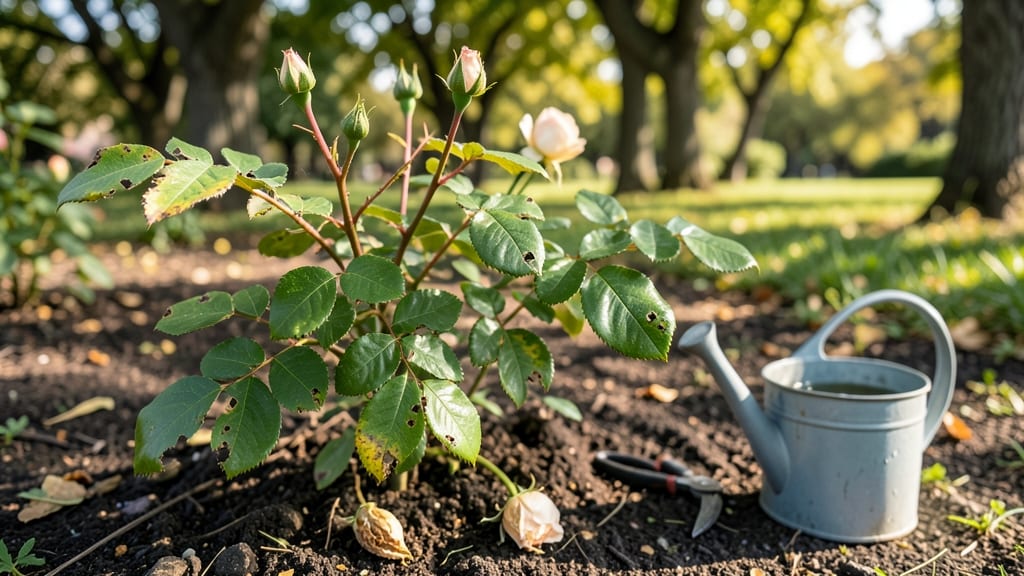
Those mysterious holes, black spots, or curled edges in the rose bush leaf damage aren’t just cosmetic—they’re your plant’s SOS. 🌹 I’ve seen firsthand how quickly a healthy rose bush can spiral when damage goes unchecked, but the good news?
Most issues have simple fixes once you know what to look for.
The culprits run the gamut: fungal infections like black spot or powdery mildew leave behind unmistakable dark spots or white powder, while pests such as aphids or spider mites create sticky residue or tiny webs.
Environmental stressors—overwatering, nutrient deficiencies, or even harsh winds—can also weaken leaves until they look like Swiss cheese. The key is spotting the signs early: check undersides of leaves, stems, and new growth regularly.
You’ll walk away with a clear plan to revive your roses, whether it’s pruning out infected stems, applying organic sprays like neem oil, or adjusting your watering schedule.
In just a few steps, you can stop the damage and restore those glossy, thriving leaves—no chemistry degree required. Let’s get your roses back to their best.
This works for all rose types—hybrid teas, floribundas, even those tough shrub roses. The same principles apply whether your garden gets full sun or partial shade. Here’s how to diagnose and fix it for good.
Root Causes of Leaf Trouble
When your rose bush’s leaves start looking more like Swiss cheese than lush foliage, it’s usually a sign that something’s amiss. Understanding the why behind the damage is the first step to saving your plant.
Below, we break down the most common culprits—from tiny pests to environmental stressors—with the science-backed details you need to act fast.
Pests are often the top offenders when it comes to rose bush leaf damage. These tiny troublemakers don’t just nibble—they devour, leaving behind skeletal leaves, holes, or even sticky residue. Here’s how they strike:
- Japanese Beetles: These metallic-green invaders skeletonize leaves by feeding on the soft tissue between veins. A single beetle can defoliate a bush in days! 🐞 They’re most active in late summer, so keep an eye out for clusters of adults chowing down.
- Aphids: These sap-sucking pests cluster on new growth, causing leaves to curl, yellow, or develop a sticky honeydew (which attracts sooty mold). They thrive in warm, humid conditions and reproduce rapidly—a single female can birth 200+ offspring without mating! 🐜
- Spider Mitesg>: Too small to see without magnification, these arachnids spin fine webs and suck plant juices, leading to stippled or bronze-colored leaves. They love dry, hot weather and often target stressed plants.
- Rose Slugs (Sawfly Larvae): These velvety caterpillars chew leaves into lace-like patterns, often leaving behind a trail of frass (insect droppings). Unlike caterpillars, they lack legs and move in a slug-like motion. 🐛
Pro Tip: 🔍 Inspect leaves undersides and new growth at dawn or dusk when pests are most active. Use a magnifying glass for mites—early detection means easier control!
Roses are tough, but they’re not immune to environmental shocks. Extreme temperatures, poor watering, or even too much sunlight can weaken leaves, making them prone to damage or disease. Here’s how to spot the signs:
- Heat Stress: Prolonged temperatures above 90°F (32°C) can cause leaves to scorch (brown, crispy edges) or develop sunburn (white/yellow patches). Roses in containers or high-light areas are especially vulnerable. 🌞
- Cold Damage: Freezing temps (28°F/-2°C) can lead to blackened, mushy leaves or winter dieback. Young, tender shoots are the first to suffer. ❄️ Pro Tip: Mulch heavily in fall to insulate roots!
- Water Issues:
- Overwatering: Leads to edema (blistered, water-soaked spots) or fungal diseases like black spot (dark spots with yellow halos). 💧
- Underwatering: Causes leaves to curl, wilt, or turn brown at the edges. Roses need 1–2 inches of water per week (more in heatwaves).
- Poor Air Circulation: Dense foliage or crowded plants trap humidity, creating the perfect breeding ground for powdery mildew (white, dusty patches) or botrytis blight (gray mold). 🌬️ Fix: Prune for airflow and space bushes 3–4 feet apart.
Quick Fix: 🌡️ Monitor your rose’s microclimate. Use a shade cloth in peak sun or a drip irrigation system to avoid wetting leaves (which spreads disease).
Fungi and bacteria thrive in moist, warm conditions, turning your rose’s leaves into a buffet. These pathogens don’t just damage—they spread rapidly. Here’s how to ID them:
- Black Spot (Fungal): The classic dark spots with yellow rings on upper leaves. It spreads via spores in water splashes or tools. 🍄 Fun Fact: Some roses are resistant (e.g., ‘Knock Out’ roses)—choose wisely!
- Powdery Mildew (Fungal): A white, powdery coating on leaves, often starting on the undersides. It thrives in humid, shady conditions and weakens the plant’s ability to photosynthesize. ☁️
- Bacterial Leaf Spot: Water-soaked, brown spots with yellow halos that ooze when wet. Unlike fungal spots, bacterial infections don’t have spores—they spread via contaminated tools or rain.
- Rust (Fungal): Orange, pustule-like spots on leaf undersides. It’s named for its rust-colored spores and often appears in cool, wet springs. 🧂
Prevention Tip: 💡 Water at the base (not overhead) and sterilize pruners with rubbing alcohol between cuts. Remove infected leaves immediately to stop spores from spreading.
Roses are heavy feeders, and when they’re starving, their leaves show it first. Yellowing, curling, or stunted growth often signals a nutrient gap. Here’s what’s missing:
| Symptom | Likely Deficiency | How to Fix |
|---|---|---|
| Yellow leaves (starting with oldest) | Nitrogen (N) | Apply a balanced fertilizer (e.g., 10-10-10) or compost in spring. |
| Yellow between veins (chlorosis) | Iron (Fe) or Magnesium (Mg) | Use a chelated iron supplement or Epsom salt (for Mg) in water. |
| Purple or red stems/leaves | Phosphorus (P) | Add bone meal or a high-phosphorus fertilizer (e.g., 5-10-5). |
| Small, dark green leaves | Potassium (K) | Apply wood ash or a potassium-rich fertilizer (e.g., 0-0-50). |
Soil Test First! 📊 Before guessing, test your soil’s pH and nutrient levels—roses prefer 6.0–6.5 pH. Over-fertilizing can burn roots, so follow package rates.
Fixing Foliage Fails Fast
Reviving your rose bush’s leaves starts with pinpointing the root of the problem—and acting swiftly. Below, we’ll walk you through practical, step-by-step fixes for the most common causes of leaf damage, plus prevention tips to keep your roses lush and healthy.
Think of this as your rose bush’s first-aid kit, tailored to each ailment.
Fix it:
- Prune aggressively 🔪: Snip off all infected leaves (black or yellow spots, brown edges) using sterilized pruners (wipe with rubbing alcohol between cuts). Dispose of debris in the trash—not the compost!
- Fungicide spray 🌿: Apply a copper-based fungicide or neem oil solution (1 tbsp neem oil + 1 tsp mild soap per quart of water). Spray both sides of leaves and repeat every 7–10 days until new growth appears.
- Improve airflow 💨: Thin out crowded canes and space bushes 3–4 feet apart. Remove nearby weeds or mulch that traps moisture.
- Water wisely 💦: Water early in the morning (avoid evenings) and at the base—never overhead. Use a soaker hose to keep foliage dry.
Prevent it:
- Sanitize tools after pruning.
- Mulch properly (2–3 inches of organic mulch, but keep it 6 inches away from the stem).
- Plant resistant varieties like ‘Knock Out’ roses.
Fix it:
- Clean up debris 🧹: Remove all fallen leaves and spent blooms from the base of the plant.
- Baking soda spray 🧂: Mix 1 tsp baking soda + 1 tsp horticultural oil + 1 tsp soap per gallon of water. Spray every 7–10 days until mildew clears.
- Prune for light ☀️: Thin out dense growth to increase sunlight penetration (powdery mildew thrives in shade).
- Avoid night watering 🌙: Wet leaves at night invite fungal growth—water in the early morning instead.
Prevent it:
- Space plants for better airflow.
- Water deeply but less often (encourages strong roots that resist stress).
- Use reflective mulch (like white gravel) to bounce light onto lower leaves.
Fix it:
- Blast mites off 💦: Spray leaves directly with a strong stream of water to dislodge them (do this early in the day).
- Neem oil or insecticidal soap 🌿: Apply every 5–7 days until mites vanish. For severe infestations, use miticide (follow label instructions).
- Introduce predators 🐞: Release lacewings or ladybugs (available at garden centers) to eat mites naturally.
- Mist leaves 🌧️: Increase humidity with a fine mist (mites love dry air).
Prevent it:
- Keep roses hydrated (mites attack stressed plants).
- Inspect new plants before adding them to your garden.
- Use yellow sticky traps to monitor mite populations early.
Fix it:
- Blast them off 💦: Spray with water to knock off clusters of aphids or scale insects.
- Insecticidal soap 🧼: Mix 2 tbsp castile soap + 1 quart water and spray directly on pests (reapply every 3–4 days).
- Neem oil 🌿: Drench the plant (including undersides of leaves) every 5 days until pests are gone.
- Handpick large infestations 👆: Use a toothbrush dipped in soapy water to scrub off scale insects.
Prevent it:
- Encourage beneficial insects (ladybugs, parasitic wasps) by planting dill, fennel, or marigolds nearby.
- Remove ant trails (ants "farm" aphids—disrupt their highways with diatomaceous earth).
- Prune regularly to remove hiding spots.
Fix it:
- Check soil moisture 💧: Stick your finger 2 inches into the soil—if dry, water deeply. If soggy, hold off and improve drainage.
- Adjust sunlight ☀️: Move potted roses to partial shade if leaves scorch. For in-ground roses, prune nearby trees blocking light.
- Fertilize smartly 🌱: Use a balanced rose fertilizer (10-10-10) every 4–6 weeks during growing season. Avoid high-nitrogen if leaves are already stressed.
- Protect from wind 🌬️: Plant roses near a windbreak (like a fence or hedge) to prevent leaf tear.
Prevent it:
- Test soil pH (roses prefer 6.0–6.5) and amend with lime (to raise pH) or sulfur (to lower pH) if needed.
- Mulch heavily (3–4 inches) to retain moisture and regulate soil temp.
- Water consistently—roses hate boom-and-bust watering.
- Rotate treatments: Don’t rely on one fix—combine cultural care (watering, pruning) + chemical/natural sprays for best results.
- Inspect weekly: Check undersides of leaves and new growth for early signs of trouble.
- Quarantine new plants: Keep new roses separate for 2–3 weeks to spot pests/diseases before they spread.
- Deadhead regularly: Removing spent blooms reduces stress and prevents fungal buildup.
Your roses will bounce back faster than you think—just match the symptom to the solution and stay consistent. Happy gardening! 🌹✨
Frequently asked questions about rose bush leaf damage
Why do rose leaves develop holes but no other obvious damage?
Holey leaves without other signs usually mean Japanese beetles or rose slugs are the culprits. These pests chew between leaf veins, creating lace-like patterns. Check the undersides of leaves and stems for adult beetles or velvety larvae. Act fast—Japanese beetles can defoliate a bush in days!
Can I save my rose bush if half the leaves are covered in black spots?
Yes! Black spot is treatable, but act immediately. Prune out infected leaves (don’t compost them), apply a copper fungicide, and improve airflow by spacing plants 3–4 feet apart. Water at the base in the morning to keep leaves dry. Repeat treatments every 7–10 days until new growth appears.
What’s the fastest way to tell if leaf damage is from pests or disease?
Check the leaf undersides and stems first. Pests (aphids, mites, beetles) leave sticky residue, tiny webs, or visible insects. Diseases like black spot show spots with yellow halos, while powdery mildew appears as white dust. If you see none of these, it’s likely environmental stress (water, sun, or nutrient issues).
Will cutting off damaged leaves help my rose bush recover?
Pruning removes disease spores and pests, allowing energy to focus on healthy growth. Use sterilized pruners (wipe with rubbing alcohol) and cut just above a healthy bud. Dispose of infected leaves in the trash—not compost—to prevent reinfection. For severe damage, prune up to 1/3 of the bush to stimulate new growth.
How often should I inspect my rose bushes for early signs of damage?
Check your roses weekly during growing season (spring to fall). Focus on new growth and leaf undersides—pests and diseases often start there. Early morning is best (pests are active then). In late summer, increase checks to every 3–4 days when Japanese beetles and mites peak.