
Shrubs
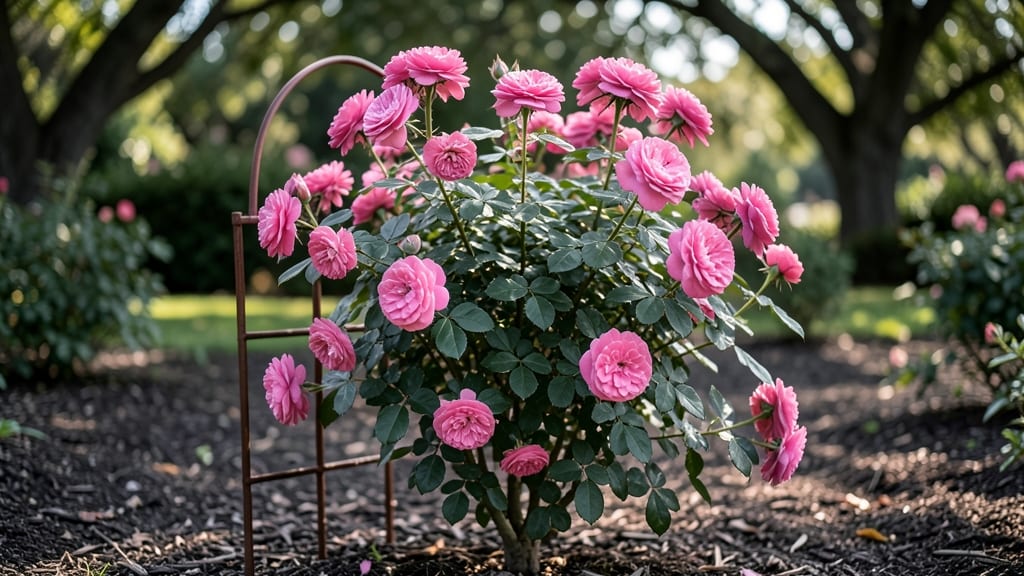
Knock Out rose shrubs deliver four seasons of blooms with less work than you'd expect. 🌹 I've grown them for years, and they've become my go-to for effortless color—no deadheading, no fuss, just nonstop flowers.
The secret lies in their disease-resistant genetics and simple care routine that even black-thumb gardeners can master.
These roses thrive in full sun to partial shade and adapt to almost any soil, though they reward you best with well-draining, slightly acidic conditions. Plant them in early spring or fall, spacing bushes 3-4 feet apart to give them room to grow.
Water deeply after planting, then let the soil dry slightly between waterings—overwatering is their only real enemy.
Pruning couldn't be simpler: just trim back leggy stems in early spring and remove any dead wood. You'll end up with compact, bushy plants that flower continuously from spring until frost. The blooms stay vibrant even in heat waves, and deer and rabbits typically leave them alone.
For maximum impact, pair them with evergreen shrubs like boxwood or hemlock for year-round structure. These roses handle urban pollution, drought, and even poor soil—making them the ultimate low-maintenance star for any landscape. Ready to grow one?
📚 In This Guide
- What you need
- Instructions
- Tips and common mistakes
- Wrapping up and next steps
What you need
- ● Knock Out Rose shrubs: 1–3 plants (depending on desired coverage; spacing 3–4 feet apart for full sun, 4–5 feet for partial shade).
- ● High-quality potting soil or garden soil: 1–2 bags (amended with compost for better drainage).
- ● Organic mulch: 2–3 bags (shredded bark or pine straw to retain moisture and suppress weeds).
- ● Slow-release fertilizer: 1 bag (10-10-10 or rose-specific formula, applied in early spring).
- ● Pruning shears: 1 pair (bypass pruners, sharp and clean for precise cuts).
- ● Gloves: 1 pair (heavy-duty gardening gloves to protect from thorns and debris).
- ● Watering can or hose with a gentle nozzle: For deep, even watering (1–2 gallons per plant, 2–3 times per week in dry spells).
- ○ Stakes or supports (optional but helpful): 2–4 bamboo stakes or metal cages per shrub (if needed for young or top-heavy plants).
- ● Rose food: Liquid or granular (for mid-season boosts, like every 6–8 weeks).
- ● Disease-resistant spray: Copper fungicide (preventative measure for powdery mildew or black spot).
- ● Soaker hose: For efficient, slow watering (reduces waste and encourages deep root growth).
- ● Pruning saw: For thicker stems (if your shears struggle with older wood).
- ● Garden kneeler/pad: For comfort during planting or maintenance.
Instructions for year-round Knock Out rose care
Here's how to keep your Knock Out roses blooming effortlessly with minimal pruning—no green thumb required.
✂️ Step 1: Prune for Shape in Early Spring
Wait until new growth appears (usually late March or April) before pruning. This ensures you don't accidentally cut off next year's buds. Grab your pruners and remove any dead, crossing, or crowded branches first—they're the easiest to spot. I like to start at the base and work upward, making clean cuts just above an outward-facing bud.
For shaping, cut back any branches that grew too long last season by about one-third. The goal is an open center that lets air circulate—this prevents fungal diseases. Avoid cutting into old wood if it's still healthy. You'll know you're doing it right when the shrub looks balanced and the center isn't too dense.
🌿 Step 2: Deadhead Regularly for Continuous Blooms
Here's the trick to year-round flowers: deadhead spent blooms every 2-3 weeks. When a bloom fades, pinch it off at the first set of five leaves below the flower. This redirects the plant's energy into new growth instead of seed production. I do this in the morning so any cuts have time to heal before evening moisture sets in.
Don't worry if you miss a few blooms—they'll still produce hips, but consistent deadheading keeps the plant focused on producing flowers. Watch for new buds forming at the base of old stems; these are your signal that the pruning is working. Knock Out roses are forgiving, but regular deadheading prevents the shrub from putting all its energy into just one flush of blooms.
☀️ Step 3: Feed and Water Strategically
After your first spring pruning, apply a balanced 10-10-10 fertilizer around the base of the plant. Work it into the top 2-3 inches of soil to avoid burning roots. Water deeply right after fertilizing to help distribute nutrients. Knock Out roses thrive with 1-2 inches of water weekly, but they're drought-tolerant once established—just don't let them wilt.
I water in the early morning so the foliage has time to dry before evening. This prevents fungal issues like black spot. Mulch with 2-3 inches of organic mulch (like shredded bark) to retain moisture and regulate soil temperature. The mulch also suppresses weeds, which compete for nutrients. You'll see new growth within 2-3 weeks of proper feeding and watering.
⏰ Step 4: Light Winter Pruning for Airflow
In late winter (around February in most climates), give your Knock Out roses a light cleanup. Remove any dead or diseased branches first—they're easy to spot as they stand out against healthy growth. Then, thin out any branches that are rubbing against each other; these create wounds where pests and diseases can enter.
This isn't about heavy pruning—just maintaining the shape and airflow. You can cut back any leggy branches by about one-quarter to encourage bushier growth. Avoid heavy pruning in winter, as the plant is dormant and can't recover as easily. After pruning, apply a 2-3 inch layer of mulch to protect roots from freezing temperatures.
🌱 Step 5: Monitor and Adjust Through the Seasons
Check your roses monthly for signs of pests like aphids or diseases like powdery mildew. Knock Out roses are disease-resistant, but no plant is invincible. If you spot issues, treat them immediately with neem oil or a fungicide. I usually spray in the early evening when bees aren't active to avoid harming pollinators.
Adjust your care based on what you see: if blooms slow down in summer heat, increase water slightly. If new growth looks pale, it might need more fertilizer. The key is observation—your roses will tell you what they need. With minimal effort, you'll have blooms from spring through fall, and sometimes even into winter in mild climates.
Tips & tricks for perfect Knock Out rose maintenance
These game-changing strategies will help you transform your Knock Out roses into a nonstop blooming powerhouse with minimal effort.
Pruning Precision: When shaping your roses in Step 1, focus on creating an open vase-like structure. The goal is to remove any branches growing inward or crossing others—these are the first to develop fungal issues. I like to visualize a "cup" shape where air can flow freely through the center. This isn't about drastic cuts but strategic thinning to maintain that open framework we talked about in the instructions. The one-third reduction for long branches creates the perfect balance between maintaining structure and encouraging new growth.
Deadheading Technique: For that every-2-3-week deadheading in Step 2, here's my pro move: use clean, sharp pruners and make your cuts at a 45-degree angle just above the first set of five leaves. This angled cut prevents water from pooling on the stem, which reduces disease risk. I've found that morning deadheading (as mentioned) works best because the cuts have time to dry before evening moisture sets in. If you're short on time, prioritize the oldest blooms first—they'll have the most energy stored to produce new growth.
Seasonal Care Calendar: Create a simple seasonal checklist based on the instructions to keep everything on track. Mark February for your light winter pruning, late March/April for spring shaping, and set calendar reminders every 2-3 weeks for deadheading. In summer heat, I increase water slightly (up to 2 inches weekly) when blooms slow down, but always check soil moisture first—Knock Out roses are surprisingly drought-tolerant once established. The 2-3 inch mulch layer mentioned in Step 3 is your best friend for moisture retention and temperature regulation throughout all seasons.
Equipment Essentials: Invest in a pair of good-quality bypass pruners—they make clean cuts that heal faster. I keep a small bottle of rubbing alcohol handy to disinfect my pruners between cuts, especially when dealing with diseased branches. For winter pruning in Step 4, a pair of gloves will protect you from thorns while you're doing that light cleanup. And don't overlook a simple rain gauge—it helps track that 1-2 inch weekly water requirement more accurately than guessing.
Pro Tips for Knock Out Rose Shrubs
- These game-changing strategies will help you transform your Knock Out roses into a nonstop blooming powerhouse with minimal effort.
- Pruning Precision: When shaping your roses in Step 1, focus on creating an open vase-like structure.
- Deadheading Technique: For that every-2-3-week deadheading in Step 2, here's my pro move: use clean, sharp pruners and make your cuts at a 45-degree angle just above the first set of five leaves.
Frequently asked questions
Got questions about keeping your Knock Out rose shrubs thriving with minimal effort? We’ve got answers!
Here are some of the most common queries from gardeners—whether you're a newbie or just looking for a quick refresher.
When is the best time to prune Knock Out roses?
Prune your Knock Out roses late winter or early spring (just before new growth starts). This timing ensures you remove dead wood while encouraging vibrant blooms for the season. Avoid pruning in fall—it can stimulate tender new growth that won’t survive winter. Pro tip: If you missed the window, a light trim in early spring is better than nothing!
How much should I cut back my Knock Out roses?
Knock Out roses are forgiving—cut back 1/3 to 1/2 of the plant’s height to shape it and remove dead or crossing branches. Aim to open the center for airflow and sunlight. Don’t over-prune! These shrubs bounce back quickly, but aggressive cuts can stress the plant. Think of it like giving your roses a haircut—not a buzz cut.
Why aren’t my Knock Out roses blooming as much as they used to?
Several factors could be at play:
- Over-fertilizing with high-nitrogen fertilizer (focus on bloom boosters like 10-10-10).
- Poor sunlight—Knock Out roses need 6+ hours of sun daily.
- Disease or pests (like black spot or aphids). Inspect leaves and treat with neem oil if needed.
- Age—older shrubs may need rejuvenation pruning (cut back by 1/2 in early spring).
Start with a soil test and adjust care based on what’s missing!
Can I prune Knock Out roses in summer?
Yes, but lightly! Summer pruning is best for shaping or removing spent blooms (deadheading) to encourage more flowers. Avoid heavy pruning—it can stress the plant during hot weather. If you must prune more, do it on a cool, cloudy day and water thoroughly afterward. Think “trim, don’t hack”!
Are there any alternatives to Knock Out roses for low-maintenance blooms?
If Knock Out roses aren’t your style, try these zero-fuss shrubs:
- Butterfly Bush (Buddleia) – Drought-tolerant and attracts pollinators.
- Abelia – Blooms spring to fall with minimal pruning.
- Dwarf Hydrangea – Compact, colorful, and thrives in partial shade.
- Spirea (e.g., ‘Goldflame’) – Fast-growing and great for borders.
Each has its own charm—visit your local nursery to find the perfect match for your garden!
Wrapping up and next steps
Growing Knock Out rose shrubs is a game-changer for any garden—zero-fuss pruning and year-round blooms make them the ultimate low-maintenance star! 🌸 With the right tools, timing, and techniques, you’ll enjoy vibrant flowers without the stress of high-maintenance roses.
Whether you’re a beginner or a seasoned gardener, these shrubs reward effortlessly.
Now that you’re armed with the know-how, roll up your sleeves and get pruning! Start small—pick one shrub, follow the steps, and watch your garden transform. Happy gardening! 🌿✨