
Blooming
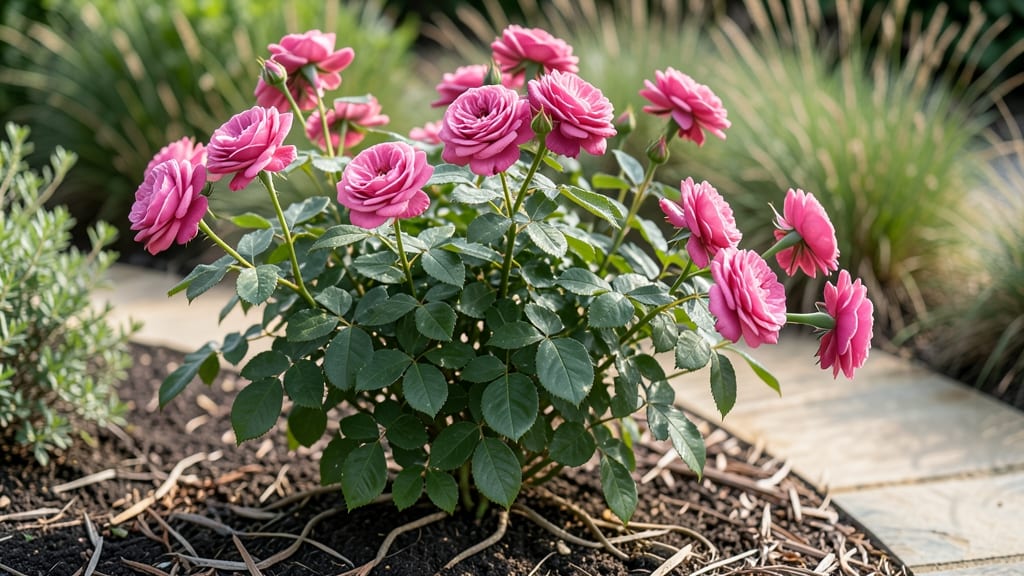
Knockout roses bloom from early summer through fall 🌹, but their exact timing depends on your variety, zone, and care routine.
If you’ve ever wondered why your knockout roses aren’t blooming when they should—or how to time your garden visits for the most vibrant displays—you’re not alone.
These hardy shrubs are famous for their nonstop color, but their peak bloom windows shift by 3-4 weeks depending on where you live. In USDA Zone 6a, expect the first flush of blooms around June, with continuous flowering until a hard frost.
Below, I break down the month-by-month schedule for popular varieties, plus the 3 key adjustments you can make to extend their season—no matter your climate.
Knockout rose bloom time by variety: month-by-month breakdown
Knockout roses are famous for their continuous blooms, but not all varieties follow the same schedule. Some varieties like 'Radrazz' burst into color in early summer, while others like 'Bumbleberry Bush' extend their show well into fall.
Understanding these timelines helps you plan your garden for year-round color with minimal gaps. The key difference lies in their genetic makeup—some are bred for early-season dominance, while others prioritize late-season endurance.
Your USDA zone also shifts bloom times. In warmer zones (8-10), roses may start blooming as early as March, while in cooler zones (3-6), expect delays until May or June.
Even within the same zone, microclimates—like a sunny south-facing wall—can advance bloom times by 2-4 weeks. Always adjust your expectations based on your local frost dates and heat patterns.
Why the variation? Some knockout roses are re-blooming hybrids that produce flowers in flushes, while others like 'Double Knock Out' have been bred for near-continuous blooming. This means you can see buds opening in May, fading in July, and then reviving again in September. The secret? Their ability to self-clean—dropping old blooms without deadheading—keeps energy focused on new growth.
If you’re in USDA zone 7 or warmer, you’ll likely see 'Radrazz' and 'Double Knock Out' start blooming in late May, with peak color from June through August.
For a fall garden showstopper, pair 'Pink Knock Out' with 'Bumbleberry Bush'—their late-season blooms create a September-October spectacle that few other roses match. In cooler zones (3-5), these timelines shift 4-6 weeks later, so plan accordingly.
For year-round interest, mix varieties with staggered bloom times. For example, plant 'Radrazz' for early summer color, 'Double Knock Out' for mid-season, and 'Bumbleberry Bush' for fall. This creates a sequential bloom effect that keeps your garden vibrant from June through October.
Even in Zone 3, with proper mulching and winter protection, you can extend blooms into late September.
One common misconception is that knockout roses bloom nonstop without care. While they’re low-maintenance, their performance depends on three critical factors: sunlight, watering consistency, and pruning timing.
For instance, 'Radrazz' may skip blooms in July if stressed by drought, while 'Double Knock Out' can handle brief dry spells better. Always monitor your roses’ leaf health—yellowing or wilting signals it’s time to adjust your care routine.
In Zone 10, where winters are mild, knockout roses often bloom year-round with minimal breaks. However, even here, heat stress in July-August can cause temporary dormancy. To counteract this, provide afternoon shade during peak heat and increase watering frequency to every 2-3 days
How to extend knockout rose bloom time: pruning, fertilizing, and care tips
Knockout roses are legendary for their nonstop blooms, but even these tough shrubs need the right care to keep flowering from early summer to frost. The secret lies in strategic pruning, balanced fertilization, and consistent moisture management.
Unlike traditional roses, knockouts don’t need deadheading—but they do respond dramatically to proper timing and technique. Let’s break down the exact steps to turn your roses into season-long showstoppers.
First, understand that pruning triggers new growth, which directly translates to more blooms. Most gardeners make one critical mistake: they prune at the wrong time or too aggressively. For example, cutting back in late summer can stunt fall blooms, while over-pruning in early spring removes potential flower buds.
The key is working with the plant’s natural cycle while giving it just enough encouragement to keep producing.
🌹 Pro Tip for Longer Blooms
Prune your knockout roses immediately after flowering (late spring/early summer) to encourage second flushes. Use clean, sharp shears and cut 1/3 of the oldest canes back to the ground—this removes spent wood while stimulating new shoots. For continuous blooms, repeat this light pruning every 6-8 weeks.
✂️ Timing Matters: Never prune when buds are forming (late summer) or during dormancy (winter).
When it comes to fertilizing knockout roses, organic options like composted manure or bone meal provide slow-release nutrients that support steady blooming. Synthetic fertilizers with a 10-10-10 NPK ratio work too, but apply them in small doses every 4-6 weeks during the growing season.
Overfeeding can lead to lush foliage at the expense of flowers—a common mistake I see in gardens. Always water fertilizers in thoroughly to prevent root burn.
Watering might seem straightforward, but deep, infrequent watering is far more effective than light daily sprinkles. Aim for 1-2 gallons per plant every 3-5 days, soaking the root zone to encourage deep root growth.
Mulch with 2-3 inches of organic mulch (like shredded bark) to retain moisture and regulate soil temperature. This simple step can extend your bloom time by 2-3 weeks in hot climates by reducing stress on the plant.
Now for the deadheading debate: Contrary to popular belief, knockout roses don’t need deadheading to rebloom. Their unique genetics produce flowers on old wood, so removing spent blooms actually shortens their bloom time.
Instead, focus on pruning spent canes (those with no new growth) in late winter to make room for fresh shoots. If you notice yellowing leaves or weak stems, that’s your cue to adjust care—not to deadhead.
To keep your knockout roses blooming until frost, combine these strategies: prune lightly after each flush, fertilize consistently without overdoing it, and maintain even moisture. With this approach, you’ll enjoy vibrant blooms from June through October—and maybe even a few surprise flowers in mild winters.
The key is patience and precision; these roses reward careful gardeners with months of effortless color.