
Tools
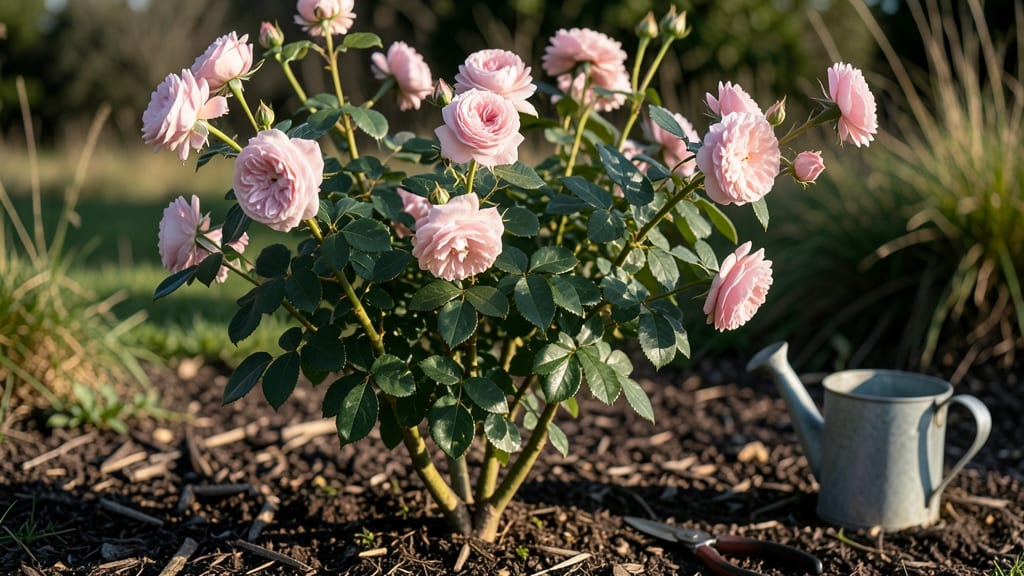
A natural beautiful rose garden blooms effortlessly—no fancy tools or rare varieties required—by pairing low-maintenance climbers with native companions for a lush, wildly elegant space that smells like summer all year. 🌹 year.
I learned this after my first overpruned, disease-ridden rose garden flopped—now I focus on roses that grow strong with minimal intervention. Start with disease-resistant climbers like 'Dr. Huey' or 'The Fairy' paired with native shrubs like butterfly bush or Russian sage.
These combos need half the pruning of hybrid teas and attract pollinators while keeping pests at bay. The layout? Let vines spill over arches or weave through borders—no rigid rows needed. By summer, you'll have velvety blooms in soft pinks and creamy whites, their scent lingering even after rain.
The key is organic mulch to retain moisture and companion plants that deter aphids naturally. This isn't just a garden—it's a fragrant sanctuary that feels alive, not manicured. Works in small yards or sprawling backyards—just adjust the scale. The best part?
Once established, these roses need almost no upkeep beyond seasonal pruning and occasional deadheading. Let's make your garden smell like a secret garden.
📚 In This Guide
- What you need
- Instructions
- Tips and common mistakes
- Wrapping up and next steps
What you need
- ● Rose bushes: Choose 5–10 climbing or shrub roses (e.g., Rosa 'New Dawn' or Rosa 'Blaze') for year-round interest.
- ● High-quality potting soil: 10–15 bags (2–3 cubic feet each) of well-draining, organic soil (pH 6.0–6.5).
- ● Compost or aged manure: 5–10 bags (for nutrient-rich soil).
- ● Mulch: 10–15 bags of organic mulch (e.g., wood chips or straw) to retain moisture.
- ● Fertilizer: Slow-release organic rose fertilizer (e.g., Espoma Rose-Tone) or compost tea.
- ● Trellis or arbor: 2–4 sturdy metal/wood trellises (6–8 ft tall) for climbing roses.
- ○ Drip irrigation system: 50–100 ft of soaker hose + timer (optional but recommended).
- ● Garden trowel & spade: For planting and soil prep.
- ● Pruning shears: Sharp, bypass-pruners (sterilized with rubbing alcohol).
- ● Gloves & knee pads: Heavy-duty gardening gloves + padded knee pads.
- ● Wheelbarrow: For hauling soil, mulch, and tools.
- ● Measuring tape & stakes: To mark planting spots and trellis placement.
- ● Soil pH test kit: To ensure optimal growing conditions.
- ● Natural pest deterrents: Neem oil, ladybugs, or companion plants (e.g., marigolds).
- ● Decorative stones/pathway: For a polished, low-maintenance look.
- ● Scented companion plants: Lavender, jasmine, or thyme to enhance fragrance.
- ● Shade cloth: For seedlings or hot climates (30–50% coverage).
Instructions: designing a natural, fragrant rose garden for year-round beauty
Transform your yard into a fragrant sanctuary with this organic approach to rose gardening.
🌱 Step 1: Select and Prepare Your Climbing Rose Varieties
Choose fragrant climbing roses that thrive in your climate zone. Varieties like 'New Dawn,' 'Blaze,' or 'Zephirine Drouhin' offer stunning blooms and intoxicating scents. I always select roses with disease resistance to minimize future care. Buy bare-root plants in early spring or established container-grown roses in fall for best results.
Soak bare-root roses in water for 2-4 hours before planting to rehydrate the roots. This step is critical—it revives dormant roots and ensures vigorous growth. If planting container-grown roses, gently loosen the root ball to encourage outward growth rather than circling roots.
🪴 Step 2: Create the Perfect Natural Support Structure
Install an arbor, trellis, or pergola made from untreated wood or metal to support your climbing roses. I prefer 6-foot tall structures to maximize vertical growth and air circulation. Avoid pressure-treated wood, as chemicals can inhibit root development. Position the structure where it will receive 6+ hours of sunlight daily—the more sun, the more fragrant the blooms.
Plant your roses 12-18 inches away from the support structure. Dig a hole twice as wide as the root ball but no deeper. This allows roots to spread naturally without being buried too deeply. Mix the excavated soil with compost or aged manure to enrich the planting area—this ensures your roses get a nutrient boost right from the start.
☀️ Step 3: Plant and Establish Your Roses for Optimal Growth
Place the rose in the hole, spreading the roots outward gently. Fill the hole with soil, pressing lightly to remove air pockets. Water deeply to settle the soil and eliminate gaps. I always add a 2-inch layer of mulch around the base, keeping it 3 inches away from the stem to prevent rot. Use organic mulch like wood chips or straw for a natural look.
Water your newly planted roses once a week for the first 4-6 weeks, providing 1 inch of water per week. Avoid overhead watering to prevent fungal diseases. You'll know your roses are establishing well when new shoots appear within 3-4 weeks—this is your signal that the roots have taken hold.
✂️ Step 4: Prune and Maintain for Continuous Blooms
Prune your climbing roses in early spring to shape the plant and encourage new growth. Remove dead, diseased, or crossing branches first. Then, cut back last year's growth by one-third to promote vigorous new shoots. I always sterilize my pruning shears with rubbing alcohol between cuts to prevent spreading disease.
Fertilize your roses in early spring with a balanced organic fertilizer (10-10-10 ratio) to support overall health. Apply it 6 inches away from the base and water it in immediately. Deadhead spent blooms regularly to encourage continuous flowering. This simple step keeps your garden looking lush and fragrant all season long.
🌿 Step 5: Enhance with Companion Plants and Natural Beauty
Surround your roses with complementary plants like lavender, catmint, or ornamental grasses to create a natural, layered look. These plants attract pollinators and deter pests naturally. I also add mulch annually in late fall to protect roots from winter frost and retain moisture during dry spells.
Monitor your roses for pests like aphids or Japanese beetles. A strong spray of water usually removes aphids, while introducing beneficial insects like ladybugs can control beetles naturally. With proper care, your fragrant climbing roses will reward you with stunning blooms and intoxicating scents for years to come.
Tips & tricks for perfect natural rose garden design
Creating a fragrant rose garden that thrives year-round takes thoughtful planning—here's what I've learned from years of trial and error.
The Root Revival Secret: When soaking bare-root roses for those critical 2-4 hours, use room-temperature water—not cold tap water. Warm water mimics spring conditions and helps roots wake up faster. I also add a splash of seaweed extract to the soaking water for an extra nutrient boost that encourages stronger root development right from the start.
Support Structure Savvy: For that 6-foot tall support structure, I recommend using galvanized metal trellises over wood for longevity. Metal won't rot or attract pests, and the vertical slats create perfect air circulation—essential for preventing fungal diseases that can ruin your fragrant blooms. If using wood, choose cedar which naturally resists rot and insects better than pine.
Planting Precision: The 12-18 inches spacing from your support structure might seem generous, but trust me—this prevents overcrowding that leads to poor air flow and disease. I mark the planting spots with stakes before digging to ensure perfect placement. Also, when mixing compost into the hole, aim for a 50/50 blend of excavated soil and compost for optimal drainage while retaining moisture.
Watering Wisdom: That 1 inch per week guideline works for most climates, but adjust based on your soil type. Sandy soils drain quickly and may need watering every 5-6 days, while clay soils can hold moisture for 10 days. I test by sticking my finger 2 inches into the soil—if it's dry, it's time to water. And always water at the base, never overhead, to keep those fragrant blooms fungus-free.
Pro Tips for Natural Beautiful Rose Garden
- Creating a fragrant rose garden that thrives year-round takes thoughtful planning—here's what I've learned from years of trial and error.
- The Root Revival Secret: When soaking bare-root roses for those critical 2-4 hours, use room-temperature water—not cold tap water.
- Support Structure Savvy: For that 6-foot tall support structure, I recommend using galvanized metal trellises over wood for longevity.
Frequently asked questions
Got questions about crafting your dream natural, beautiful rose garden? You’re not alone! Here are answers to the most common queries to help you create a fragrant, year-round retreat with ease.
What’s the best time of year to plant roses for a natural-looking garden?
The ideal time is early spring (after the last frost) or fall (6-8 weeks before the first frost). Planting in spring gives roses time to establish roots before summer heat, while fall allows them to settle in before winter dormancy. For climbers, spring is often preferred to avoid winter stress.
How do I keep my rose garden looking wild and natural without over-maintaining?
Embrace layered planting with native perennials, grasses, and shrubs to soften rose beds. Use mulch (wood chips or straw) to suppress weeds and retain moisture. Prune selectively—focus on shaping climbers and removing dead wood in late winter/early spring. Drip irrigation keeps things lush without daily fuss!
Why aren’t my roses blooming as much as I expected?
Bloom scarcity often stems from over-pruning, poor soil, or underwatering. Ensure roses get 6+ hours of sun daily and well-draining soil rich in organic matter. Deadhead spent blooms to encourage repeat flowering. If pests (like aphids) or diseases (black spot) are present, treat early with neem oil or fungicides.
Can I grow roses in containers for a small space or balcony garden?
Choose compact or climbing varieties (like ‘The Fairy’ or ‘New Dawn’). Use large pots (15+ gallons) with drainage holes, and fill with a mix of potting soil, compost, and perlite. Water containers daily in summer—they dry out faster than ground soil. Rotate pots occasionally for even sun exposure.
How do I attract pollinators and beneficial insects to my rose garden?
Plant companion flowers like lavender, marigolds, or cosmos to lure bees and butterflies. Avoid pesticides—opt for organic sprays or introduce ladybugs for pest control. Leave some “wild” areas with leaf litter or logs; they provide habitats for insects like lacewings, which devour aphids. Bonus: Roses thrive with pollinator help!
Wrapping up and next steps
Creating a natural, beautiful rose garden is a rewarding journey that blends artistry with nature’s elegance. By selecting fragrant climbers, prioritizing organic care, and embracing seasonal blooms, you’ve unlocked a space that thrives year-round—without sacrificing sustainability. 🌸
Now, take that first step: sketch your design, gather your tools, and let your garden bloom into a fragrant sanctuary. Whether you’re a beginner or a seasoned gardener, every petal planted is a step toward timeless beauty. Happy gardening! 🌿