
Flowers
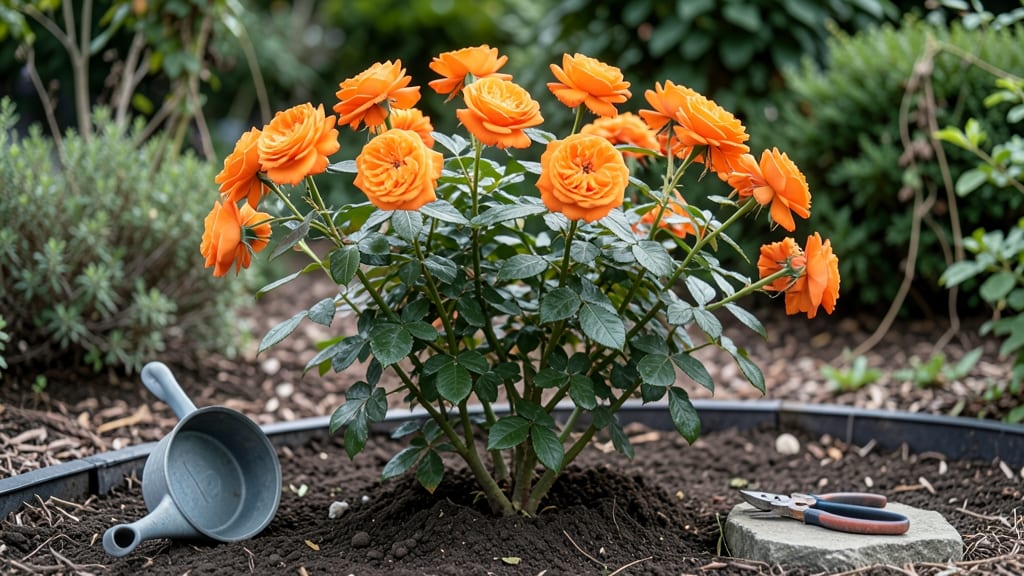
That orange colour rose flower is the sunburst your garden craves—bold, fiery blooms that turn heads and stop traffic. 🌸 designs. I’ve seen them transform tired spaces into sunlit canvases, their petals glowing like autumn leaves all season long.
The magic lies in their versatility: pair them with lavender for a Mediterranean vibe, or mix in deep red salvias for a wildflower meadow feel. In containers, they become instant conversation pieces—just add trailing ivy for soft contrast.
And yes, they’ll bloom year-round in mild climates, or at least from spring to frost in cooler zones. What you’ll love most? How effortlessly they anchor a design. A single bush creates a focal point, while a row of them becomes a living tapestry. The scent?
A honeyed, citrusy perfume that lingers in the air long after the blooms fade. Trust me, once you plant these, you’ll never go back to pastel roses again.
They thrive in full sun and well-drained soil, but the real secret is deadheading spent blooms—it keeps them producing nonstop through the season. For extra drama, try training climbers over arches or along trellises. Your garden will look like a postcard, and your neighbors will be asking for cuttings.
📚 In This Guide
- What you need
- Instructions
- Tips and common mistakes
- Wrapping up and next steps
What you need
- ● Orange rose bushes: Choose disease-resistant varieties like 'Orange Ice', 'Orange Glory', or 'Sunblaze'. Buy 1-3 plants (depending on garden size).
- ● Well-draining potting mix: 10-15 gallons (for containers) or enrich your garden soil with compost (5-10 lbs per planting hole).
- ● Slow-release fertilizer: 10-20-10 NPK ratio (5 lbs per plant) or organic options like fish emulsion or bone meal.
- ● Mulch: 2-3 inches of pine bark or straw to retain moisture and protect roots.
- ● Pruning shears: Sharp, bypass-style shears (for clean cuts).
- ● Garden gloves: Heavy-duty for thorn protection.
- ● Watering can or hose: With a gentle spray nozzle (1-2 gallons capacity).
- ● Rose food: Liquid concentrate (e.g., Miracle-Gro Rose Food) for extra blooms.
- ● Epsom salt: 1 tbsp per plant monthly for magnesium boosts.
- ● Copper fungicide: Preventative spray for powdery mildew.
- ● Trellis or cage: For climbing varieties (e.g., 'Orange Triumph').
- ● pH test kit: To ensure soil is 6.0-6.5 (ideal for roses).
Step-by-step guide to planting and caring for orange roses
Here’s how to create a vibrant display of sunburst orange roses that’ll steal the show all season.
🌱 Step 1: Choose the Right Location and Prepare the Soil
Orange roses thrive in full sun—at least 6-8 hours daily—so pick a spot that gets morning sunlight and afternoon shade in hot climates. I always test the soil first: dig a 6-inch hole, then mix in 2-3 inches of compost with the existing dirt. Orange roses love well-draining, slightly acidic soil with a pH between 6.0 and 6.5. If your soil is heavy clay, amend it with sand or perlite to prevent root rot.
Work the compost into the soil until it’s loose and fluffy—think of it like aerating a lawn, but deeper. The goal is to create a soft, crumbly texture that roots can easily push through. If your soil feels compacted when squeezed, add more organic matter. This step sets the foundation for healthy, vibrant blooms.
🪴 Step 2: Plant Bare-Root or Container-Grown Roses
For bare-root roses, soak the roots in lukewarm water for 1-2 hours before planting to rehydrate them. Dig a hole twice as wide as the root ball but only as deep as the top of the graft (usually marked by a slight bulge or bump). If planting a container-grown rose, keep the root ball intact and remove the pot gently—tap the sides if needed.
Position the rose so the graft union sits 1-2 inches below soil level. This protects it from damage and encourages stronger growth. Backfill the hole with soil, pressing lightly to remove air pockets, but don’t pack it down too firmly. Water deeply right after planting to settle the soil and eliminate gaps. You’ll know it’s right when the soil surface looks slightly damp but not soggy.
☀️ Step 3: Water and Mulch for Optimal Growth
Water your orange rose deeply once a week (or more in extreme heat) to encourage deep root growth. The rule of thumb: 1 inch of water per week, either from rainfall or irrigation. Check moisture by sticking your finger 2 inches into the soil—if it feels dry, it’s time to water. Early morning is best to reduce evaporation and fungal risks.
Spread a 2-3 inch layer of mulch around the base, keeping it 6 inches away from the stem to prevent rot. I use wood chips or straw because they break down slowly and improve soil structure over time. Mulch also helps regulate soil temperature, keeping roots cool in summer and insulated in winter. Replenish mulch as it decomposes to maintain that protective layer.
✂️ Step 4: Prune and Fertilize for Year-Round Blooms
Prune your orange rose twice a year: once in late winter or early spring (before new growth starts) and again after the first flush of blooms. Cut back dead or crossing branches to improve airflow, and shape the bush by trimming one-third of the oldest canes to encourage new growth. Always use clean, sharp pruners and make cuts at a 45-degree angle just above an outward-facing bud.
Feed your rose with a balanced rose fertilizer (like 10-10-10) every 4-6 weeks during the growing season. Follow the package instructions, but I halve the dose for container-grown roses—they’re more sensitive to over-fertilizing. Look for dark green leaves and vigorous new shoots as signs your rose is thriving. If leaves turn yellow, you’re likely overwatering or over-fertilizing.
🌿 Step 5: Protect and Maintain for Long-Term Beauty
Watch for aphids, spider mites, or black spot—common pests and diseases in orange roses. I spray a neem oil solution preventatively every 2-3 weeks during peak growing season. For black spot, remove infected leaves immediately and apply a fungicide if needed. Healthy roses are resilient, but early intervention saves headaches later.
In winter, wrap young roses with burlap or frost cloth if temperatures drop below 20°F. Mature roses can handle colder climates, but a thick layer of mulch (4-6 inches) acts like a blanket, protecting roots from freeze-thaw cycles. Prune lightly in late winter to remove dead wood and shape the bush for the new season.
Tips & tricks for growing stunning orange roses
Here's what I've learned from years of growing these vibrant beauties—tricks that'll help your sunburst roses thrive.
Sunlight Strategy: Those 6-8 hours of daily sun are non-negotiable, but I've found that morning sun with afternoon shade in hot climates prevents leaf scorch. If your garden gets intense afternoon heat, consider planting near a wall or fence that provides natural shade. The key is maintaining that bright, consistent light without cooking the leaves.
Soil Prep Secret: When amending your soil with 2-3 inches of compost, I like to add a handful of egg shells (crushed) to the mix—it naturally raises pH slightly and provides calcium. For heavy clay soils, mix in sand or perlite until the soil feels like a damp sponge when squeezed. This prevents those dreaded waterlogged roots that lead to rot.
Planting Precision: The 1-2 hour soak for bare-root roses is crucial, but don't overdo it—the water should be lukewarm, not hot. I also recommend making a small mound of soil in the center of the planting hole so you can position the graft union perfectly at 1-2 inches below soil level. This prevents the graft from being buried too deeply, which can cause it to rot.
Watering Wisdom: That 1 inch of water per week guideline works best when delivered deeply rather than frequently. I use a rain gauge to track rainfall, and if we get less than 1 inch, I water in the morning with a soaker hose. The 2-inch soil check is perfect—if it's dry at that depth, your rose needs water. Early morning watering prevents fungal issues and gives leaves time to dry before evening.
Pro Tips for Orange Colour Rose Flower
- Here's what I've learned from years of growing these vibrant beauties—tricks that'll help your sunburst roses thrive.
- Sunlight Strategy: Those 6-8 hours of daily sun are non-negotiable, but I've found that morning sun with afternoon shade in hot climates prevents leaf scorch.
- Soil Prep Secret: When amending your soil with 2-3 inches of compost, I like to add a handful of egg shells (crushed) to the mix—it naturally raises pH slightly and provides calcium.
Frequently asked questions
Got questions about those fiery orange roses? You’re not alone! Here are some of the most common queries—plus quick answers to help you grow and enjoy them with confidence.
Why don’t my orange roses bloom as much as other colors?
Orange roses often bloom less frequently than hybrid teas or floribundas because they’re usually shrub or climber varieties, prioritizing foliage over flowers. Prune spent blooms in early spring to encourage new growth, and feed with phosphorus-rich fertilizer (like 10-20-10) to boost flowering. Sunlight is key—ensure they get 6+ hours of direct sun daily!
How long does it take for orange roses to grow from seed?
Growing orange roses from seed is slow—expect 6–12 months before you see flowers! Start seeds indoors in winter, transplant seedlings outdoors after the last frost, and be patient. For faster results, buy bare-root or potted orange rose plants (they’ll bloom in 2–3 months with proper care). Pro tip: Grafted varieties (like ‘Mister Lincoln’) often flower sooner!
Can orange roses thrive in containers? What’s the best setup?
Choose a large container (15+ gallons) with drainage holes, and use a well-draining potting mix (add perlite or sand). Climbing orange roses need a trellis or obelisk, while shrub types do well in wide pots. Water deeply 2–3x weekly (more in heat), and fertilize monthly with a balanced rose food during growing season.
Are orange roses more prone to pests or diseases?
Orange roses are not inherently more susceptible to pests, but their bright color attracts aphids and spider mites. Watch for yellowing leaves or sticky residue (aphids) or fine webbing (spider mites). Treat with neem oil or insecticidal soap. For diseases, black spot is common—improve airflow, avoid overhead watering, and apply fungicide if needed.
What’s the best orange rose alternative if I want bold color but low maintenance?
If orange roses seem high-maintenance, try these dramatic, low-fuss alternatives:
- Hibiscus (Tropical or Hardy): Vibrant orange blooms, drought-tolerant, and thrives in heat.
- Dahlia ‘Café au Lait’: Creamy-orange flowers, cut-and-come-again blooms, and deer-resistant.
- Salvia ‘Hot Lips’: Fire-engine red-orange spikes, drought-proof, and attracts hummingbirds.
- Marigold ‘Bonanza Orange’: Pest-repelling, annual blooms all season, and thrives in poor soil.
For perennial drama, daylilies (like ‘Stella de Oro’) or coreopsis offer sunburst hues with zero fuss!
Wrapping up and next steps
From their vibrant hues to their year-round charm, orange roses bring a burst of sunshine and drama to any garden. Whether you’re drawn to their bold beauty or their hardy nature, these sunburst blooms are a fantastic choice for adding warmth and elegance to your outdoor space. 🌸
Ready to bring home some of this sunburst elegance? Start by visiting your local nursery or exploring trusted online plant shops to find the perfect orange rose variety for your climate and style.
With the right care, your garden will soon be bursting with color—and maybe even a few happy pollinators! 🐝
Happy gardening! 🌞