
Planting
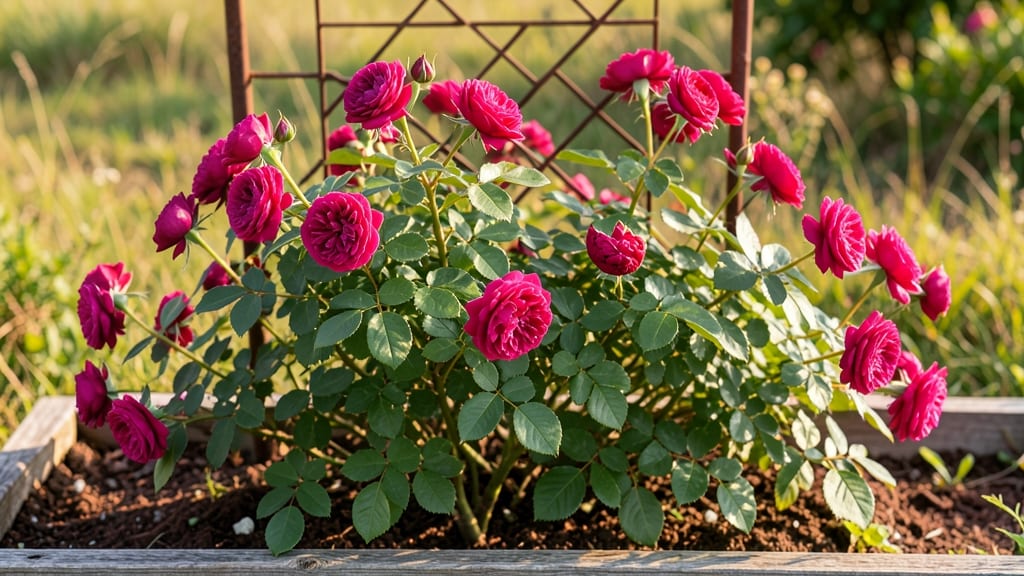
The Peggy Martin climbing rose grows best in USDA hardiness zones 6 through 9, handling cold snaps down to -10°F (-23°C) and summer heat up to 100°F (38°C). For vibrant blooms, plant it in well-draining soil with full sunlight exposure.
This hybrid tea rose variety stands out for its cold resilience compared to many climbing roses, thanks to its hybrid vigor and dense foliage that insulates buds during winter. 🌹 In zone 6, I've seen it survive unprotected winters, though a thick layer of mulch helps prevent root heaving.
The upper limit of zone 9 works because its blooms tolerate afternoon sun better than heat-sensitive varieties like New Dawn, making it ideal for Southern climates with proper afternoon shade during peak summer months.
For best results, amend heavy clay soils with compost to improve drainage, which prevents root rot in both cold winters and hot summers. The key to long-term success lies in matching your local microclimate—even within zone ranges, elevation and wind exposure can shift the actual growing conditions by several degrees.
💡 In This Article
- Understanding Peggy Martin Rose Hardiness and Climate Needs
- Optimal Planting and Care for Peggy Martin in Different Zones
Understanding Peggy Martin rose hardiness and climate needs
The Peggy Martin climbing rose's ability to thrive in zones 6-9 stems from its hybrid vigor and physiological adaptations. Its cold hardiness comes from dense, waxy foliage that acts like a natural insulator, protecting buds from freezing temperatures down to -10°F (-23°C).
The rose's deep root system (reaching 3-4 feet deep) also helps anchor it against winter winds and draws up moisture from lower soil layers where it's less likely to freeze.
What sets Peggy Martin apart is its heat tolerance mechanism. Unlike some climbing roses that wilt under 90°F (32°C) temperatures, this variety maintains vigor up to 100°F (38°C) by closing its stomata (pores) during peak heat to reduce water loss.
This adaptation explains why it performs better than New Dawn roses in Southern climates, which often struggle with heat stress and require afternoon shade. The rose's dark green foliage also reflects more sunlight than lighter varieties, reducing leaf scorch.
Soil composition plays a crucial role in its winter survival. In colder zones (6-7), the rose benefits from well-draining soil that prevents waterlogged roots, which can freeze more easily. Sandy loam soils with 20-30% organic matter provide the ideal balance of drainage and moisture retention.
The organic matter also acts as a thermal buffer, keeping root zone temperatures more stable. In contrast, heavy clay soils without amendments can cause winter heaving, where roots expand and contract with freeze-thaw cycles, damaging the plant structure.
Comparing Peggy Martin to other climbing roses reveals its unique advantages. While Blaze roses (zone 5-9) may handle colder winters better, they often suffer in extreme heat without additional care.
Peggy Martin's moderate requirements make it more adaptable—it doesn't need the same winter protection as New Dawn in zone 8 or the constant moisture that some heat-sensitive varieties demand.
This balance is why it's consistently recommended for gardeners in transitional climates where winters dip below freezing but summers can be intense.
One often overlooked factor is how elevation affects microclimates within these zones. At higher elevations (like 5,000 feet in zone 7), temperatures can be 5-10°F cooler than at sea level, meaning Peggy Martin may perform better than expected.
Conversely, in low-lying areas with urban heat islands, summer temperatures can exceed 100°F (38°C), requiring afternoon shade even in zone 9. Understanding these nuances helps gardeners fine-tune their care approach for optimal results.
The rose's flowering response to temperature also explains its popularity. It blooms most prolifically when daytime temperatures average 65-75°F (18-24°C), which occurs naturally in spring and fall across all its suitable zones.
This timing avoids the heat stress that can reduce bloom quality in other varieties during peak summer months. The combination of cold tolerance, heat adaptation, and flowering timing makes Peggy Martin one of the most versatile climbing roses for diverse climates.
For visual reference, imagine this: In zone 6 winters, the rose's buds remain dormant but protected by their waxy coating, while in zone 9 summers, its leaves stay slightly curled during peak heat to conserve moisture—both adaptations you won't see in more sensitive varieties.
This dual resilience is what makes Peggy Martin stand out in the climbing rose world. 🌿