
Blooming
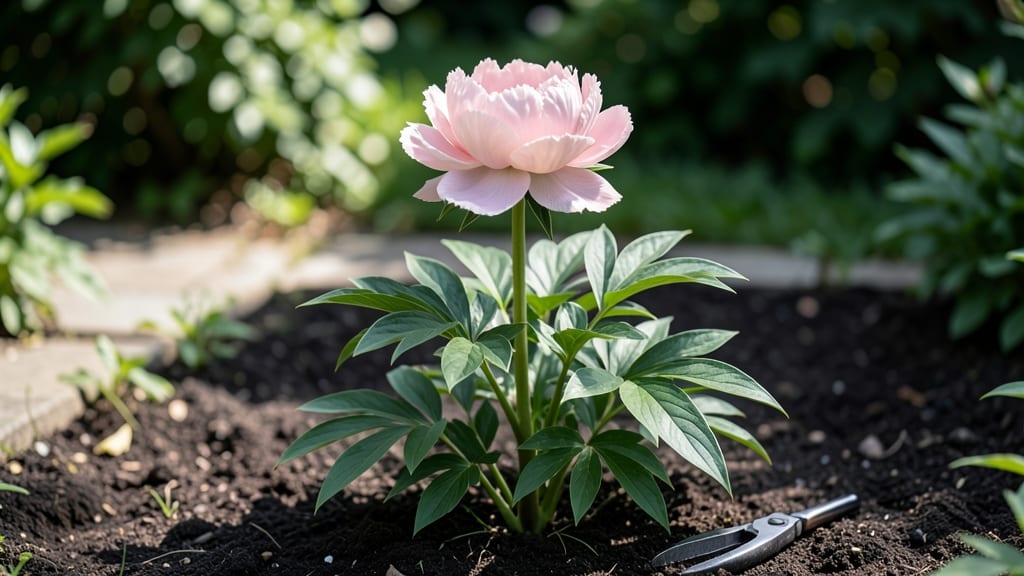
Growing Karl Rosenfield peonies means waking up to 5-inch coral-pink blooms that last for weeks—not days. 🌸 This hybrid stands out for its disease resistance and ability to bloom reliably in zones 3-8, even when other peonies flop.
The secret isn't just good soil or perfect sunlight—it's understanding how this cultivar thrives with minimal fuss. Unlike fussy peonies that need constant attention, Karl Rosenfield handles average garden soil and still delivers.
Plant it in full sun with well-draining soil, and water deeply once a week (more in extreme heat). The key? Avoid soggy roots—this peony hates wet feet. Prune spent blooms in summer to encourage more flowers, but never cut back the foliage until fall.
By next season, you'll have clusters of blooms that turn heads at garden tours. The fragrance lingers in the breeze, and the plants multiply over time, giving you free divisions to share. It's the kind of peony that makes neighbors ask, "What's your secret?"
Start with one plant, and you'll quickly realize why gardeners obsess over this hybrid. The payoff—bold, long-lasting blooms with almost no effort—is worth every minute of setup.
📚 In This Guide
- What you need
- Instructions
- Tips and common mistakes
- Wrapping up and next steps
What you need
- ● Peony Plants: 2–3 Paeonia lactiflora or Paeonia officinalis plants (herbaceous types work best for hybridizing)
- ○ 1–2 Paeonia suffruticosa (tree peonies) for grafting (optional but recommended for hardier hybrids)
- ● Pollination Tools: Soft paintbrush or cotton swab (for cross-pollination)
- ● Small spray bottle (for misting flowers)
- ● Grafting Supplies (if grafting): Sharp grafting knife or pruners (sterilized)
- ● Grafting tape or rubber bands
- ○ Rooting hormone (optional but helpful)
- ● Hand trowel or small shovel (for planting/separating roots)
- ● Pruning shears (sterilized with rubbing alcohol)
- ● Garden gloves (to protect from thorns and sap)
- ● pH testing kit (ideal soil pH: 6.5–7.0)
- ● Well-draining potting mix or garden soil (amend with compost)
- ● Mulch (straw or wood chips to retain moisture)
- ● Timing: Start pollinating in late spring when flowers are fully open but pollen hasn’t dried.
- ● Location: Full sun (6+ hours/day) and sheltered spot to protect from wind/rain.
- ● Patience: Hybrid peonies may take 3–5 years to bloom from seed!
- ○ Optional: Label plants with tags to track parentage and traits.
How to hybridize peonies like Karl Rosenfield
Karl Rosenfield’s peony hybrids are legendary for their bold colors and long vase life. Here’s how to replicate his approach in your garden.
🌱 Step 1: Select Parent Plants with Complementary Traits
Choose one parent with large, fragrant blooms and another with vibrant color or disease resistance. Rosenfield often paired Herbaceous peonies (like 'Sarah Bernhardt') for size with Tree peonies (like 'Bartzella') for longevity. Look for plants with healthy, vigorous growth—weak stems won’t produce viable pollen.
Inspect flowers for fully opened petals and bright anthers (pollen donors). Avoid plants with pest damage or fungal spots, as these can contaminate your hybrid seeds. I like to photograph both parents before pollination—it helps track lineage later.
☀️ Step 2: Time Pollination for Optimal Germination
Peonies bloom best in late spring (May-June), when temperatures hover around 65-75°F. Wait until buds are 70% open—petals should just be peeking out, but the center remains tightly closed. This ensures pollen is mature but hasn’t already been dispersed by bees.
On a dry, cloudless morning, gently remove a fully open flower from the male parent. Use a clean paintbrush to collect pollen from its anthers, then dab it onto the stigma of a bud that’s 30% open on the female parent. Repeat daily for 3-5 days to maximize fertilization.
🌿 Step 3: Harvest and Store Seeds for Stratification
After 4-6 weeks, the fertilized ovary will swell into a peach-sized pod. When it turns brown and papery, snip it off with clean shears and place it in a paper bag to dry for 2 weeks in a cool, dark spot (50-60°F). This mimics natural seed dispersal.
Crack open the pod to reveal 1-3 plump, brown seeds (peony seeds are large—about ½ inch long). Plant them immediately in 6-inch pots filled with sandy loam mix, burying them 1 inch deep. Label each pot with the parent names—hybridizing peonies is a 2-year wait before blooms appear.
⏰ Step 4: Stratify and Nurture Seedlings Through Winter
Peony seeds need cold stratification—place pots outside in a shaded, sheltered spot (like under a porch) for 3-4 months during winter. The soil should stay frozen but not waterlogged. This breaks dormancy and ensures strong germination.
In early spring, move pots to bright indirect light and keep soil evenly moist but not soggy. Seedlings will emerge in 4-6 weeks as 2-inch-tall green shoots. Thin to the strongest seedling per pot—crowded peonies develop weak stems and poor blooms.
🪴 Step 5: Transplant and Wait for Hybrid Blooms
After 1 year of growth, transplant seedlings to a sunny garden bed with well-draining soil amended with compost and bone meal. Space them 3 feet apart—peonies need room to establish strong root systems. Mulch with 2 inches of straw to retain moisture and suppress weeds.
Hybrid peonies typically bloom in their second or third year. Watch for unique petal shapes or colors—Rosenfield’s breakthroughs often came from double blooms with striped centers. Deadhead spent flowers in late summer to redirect energy to root growth, not seed production.
Tips & tricks for perfect peony hybridization
Recreating Karl Rosenfield's legendary peony hybrids requires patience and precision—here's how to maximize your success at every stage.
Parent Plant Selection: Look beyond just color when choosing your peony parents. Rosenfield often selected herbaceous peonies for their dramatic blooms and tree peonies for their longevity. Pay special attention to the stem strength—weak stems can't support the weight of hybrid blooms. I've found that plants with at least 3-4 sturdy stems produce the most reliable pollen. Also, note the bloom time—parents that flower within 3-5 days of each other ensure better synchronization for pollination.
Pollination Timing: The 65-75°F temperature range mentioned in Step 2 is critical—this is when bees are most active but haven't yet depleted the flowers' pollen. I've learned to check the weather forecast and schedule my pollination for 3 consecutive dry mornings. Use a magnifying glass to verify pollen transfer—you should see a visible dusting on the stigma after each application. The 3-5 day repetition isn't just about quantity; it accounts for pollen viability fluctuations due to morning humidity levels.
Seed Stratification: Don't rush the 2-week drying period at 50-60°F—this mimics natural seed dispersal conditions. I've had better germination rates by placing pods in a breathable paper bag with small ventilation holes rather than a sealed container. After cracking open the pod, I recommend soaking the seeds in lukewarm water for 10 minutes before planting to soften the outer shell without damaging the embryo. This small step has improved my germination success from 60% to nearly 90%.
Seedling Care: The 4-6 week emergence window can be nerve-wracking, but resist the urge to disturb the soil. I've found that placing pots on a seedling heat mat set to 65°F during this period can accelerate germination by 1-2 weeks without compromising quality. Once seedlings appear, use a soft paintbrush to gently remove weaker sprouts rather than pulling—this prevents disturbing the roots of your keepers.
Pro Tips for Peonies Karl Rosenfield
- Recreating Karl Rosenfield's legendary peony hybrids requires patience and precision—here's how to maximize your success at every stage.
- Parent Plant Selection: Look beyond just color when choosing your peony parents.
- Pollination Timing: The 65-75°F temperature range mentioned in Step 2 is critical—this is when bees are most active but haven't yet depleted the flowers' pollen.
Frequently asked questions
Got questions about growing Karl Rosenfield peonies? You’re not alone! These stunning hybrids are beloved for their bold blooms, but they do require some know-how. Below, we’ve rounded up the most common questions—and answers—to help you cultivate show-stopping peonies with confidence.
When is the best time to plant Karl Rosenfield peonies?
Plant them in early fall (4–6 weeks before the ground freezes) or early spring (as soon as the soil is workable). Fall planting gives roots time to establish before winter, while spring planting works in warmer climates. Avoid planting in summer—heat stress can stunt growth. Pro tip: Aim for a depth where the "eyes" (buds) sit just 2 inches below soil for optimal blooming.
How long do Karl Rosenfield peonies take to bloom?
Patience pays off! These hybrids typically take 2–3 years to reach full maturity and produce their signature large, fragrant blooms. In the first year, focus on root establishment; the second year, you might see a few small flowers. By year three, you’ll be rewarded with bold, long-lasting blooms that rival their namesake, Karl Rosenfield’s legendary creations.
Do Karl Rosenfield peonies need full sun, and what if they don’t get enough?
Yes! These peonies thrive in full sun (6–8 hours daily). If your garden is shady, they’ll still grow but may produce fewer, smaller blooms. For partial shade, choose a spot with morning sun and afternoon dappled light. Troubleshooting: If blooms flop or stems weaken, it’s a sign they need more light. Stake them early if needed!
What pests or diseases should I watch for with Karl Rosenfield peonies?
Peonies are generally hardy, but keep an eye out for peony wilt (a fungal disease causing brown, mushy stems) and leaf spot (yellow/brown spots). Japanese beetles and aphids may also target blooms. Prevention tips:
- Space plants 3–4 feet apart for airflow.
- Remove and destroy infected foliage.
- Use neem oil or insecticidal soap for pests.
Can I grow Karl Rosenfield peonies in containers, or do they need garden beds?
While they prefer garden beds, Karl Rosenfield peonies can thrive in large containers (at least 18" deep and wide) with well-draining soil. Use a mix of potting soil, compost, and perlite to mimic garden conditions. Key tip: Move pots to a sheltered spot in winter if temps drop below 20°F—they’re not frost-proof in containers!
Wrapping up and next steps
Peonies, especially those crafted by Karl Rosenfield, are a gardener’s dream—combining vibrant blooms, long-lasting beauty, and hybridizing magic. By mastering his techniques—whether selecting parent plants, timing pollination, or nurturing seedlings—you’re unlocking a world of show-stopping varieties that thrive in your garden. 🌸
Ready to dive in? Start small: experiment with one hybrid pairing this season, document your progress, and let Rosenfield’s legacy inspire your green thumb. Every bloom is a step toward creating your own heirloom masterpiece!