
Container Gardens
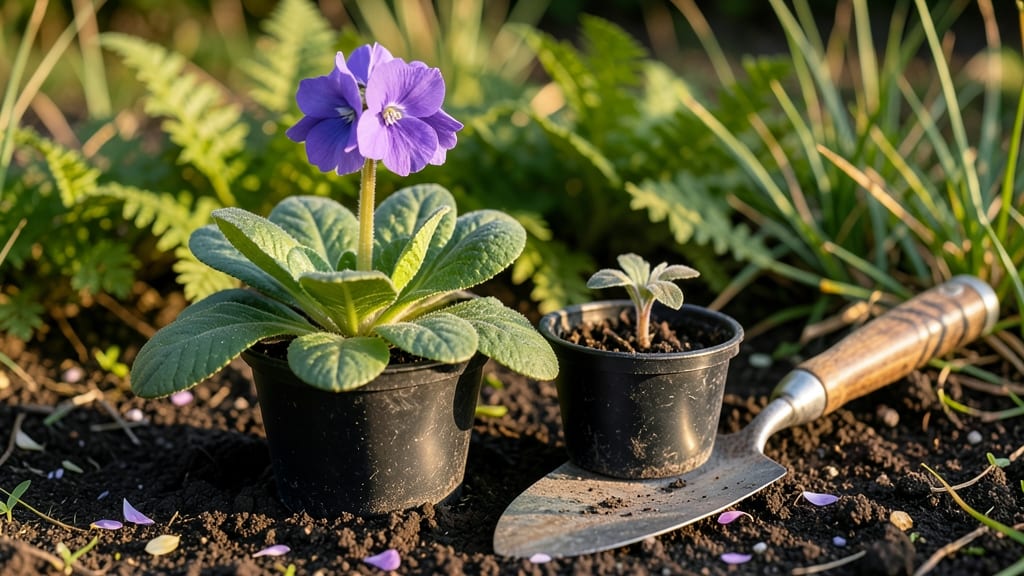
Planting primroses in pots lets you enjoy their cheerful blooms even when space is tight. 🌸 I've filled my patio with these hardy perennials, and they've never failed to deliver color from early spring through fall—sometimes even winter in mild climates.
The secret lies in the right soil mix, drainage, and a few simple care habits that keep them thriving without fuss.
You'll need well-draining potting mix (avoid garden soil), containers with drainage holes, and a sunny spot with at least 4-6 hours of light daily. Primroses love moisture but hate soggy roots, so terracotta pots or containers with saucers work best.
Plant them at the same depth they were in their nursery pots, and space clusters 6-12 inches apart depending on variety.
After planting, water thoroughly until it drains from the bottom, then keep the soil consistently moist but never waterlogged. A light mulch of pine bark helps retain moisture while preventing weeds.
Within 2-3 weeks, you'll see fresh growth, and by early spring, those bright blooms will make your pots pop like springtime came early.
Pair them with trailing ivy or dusty miller for height contrast, or add violas for a pop of color in shadier spots. The key is to avoid overcrowding—primroses need airflow to stay healthy.
With these simple steps, your pots will be the envy of the neighborhood, and you'll have a low-maintenance way to enjoy seasonal blooms year after year.
📚 In This Guide
- What you need
- Instructions
- Tips and common mistakes
- Wrapping up and next steps
What you need
- ● Primrose plants: 3–5 primrose plugs or bare-root plants (choose varieties like Primula vulgaris or Primula denticulata for pots).
- ● Containers: Pots with drainage holes, 6–12 inches in diameter (terracotta or ceramic work best for moisture control).
- ● Potting mix: 1–2 gallons of well-draining, peat-based or organic potting soil (avoid garden soil—it compacts!).
- ○ Perlite or sand: ¼ cup to mix into soil for extra aeration (optional but recommended).
- ● Slow-release fertilizer: 1 tbsp of 10-10-10 or balanced granular fertilizer (mixed into soil).
- ● Gravel or pebbles: Small stones for a 1-inch drainage layer at the pot’s bottom.
- ● Watering can: With a gentle spray nozzle (to avoid disturbing soil).
- ● Pruning shears: Small, sharp scissors for trimming dead leaves (if needed).
- ● Decorative mulch (e.g., bark chips) to keep soil moist and add flair.
- ● Moss or succulents as companions for a shade garden vibe.
- ● Self-watering pot liner to reduce maintenance (great for forgetful gardeners!).
- ● Epsom salt (1 tsp per gallon of water) for a magnesium boost during blooming season.
Step-by-step instructions for planting primroses in pots
Here’s how to create a vibrant, low-maintenance primrose display that blooms reliably all year.
🪴 Step 1: Choose the Right Containers and Drainage
Primroses thrive in pots with good drainage—they hate soggy roots. Pick containers with multiple drainage holes (at least 2-3) and 6-8 inches deep for each plant. I like terracotta because it breathes, but plastic works too if you add a layer of pebbles at the bottom. If your pots are shallow, use hanging baskets with a liner to prevent soil loss.
Pro tip: Group 3-4 primroses per 12-inch pot for a lush, cascading look. Just don’t overcrowd—each plant needs 3-4 inches of space to avoid competition. Line the bottom with 2-3 inches of gravel or broken pottery to keep roots from sitting in water.
🌱 Step 2: Prepare Soil for Primrose Success
Primroses love moist, well-draining soil that’s slightly acidic to neutral (pH 6.0-7.0). Mix 2 parts potting soil with 1 part perlite or peat moss for aeration. I add a handful of compost to each pot for nutrients—just enough to feed the roots without overwhelming them.
Fill the pot ¾ full with your mix, then tap gently to settle it. Avoid compacting the soil too much; primrose roots need room to spread. Leave 1 inch of space at the top for watering—this prevents soil from spilling when you water.
✂️ Step 3: Plant Primroses at the Right Depth
Gently remove the primrose from its nursery pot and loosen the roots if they’re circling. Place the plant in the center of the pot so the top of the root ball sits just below the rim. Primroses dislike being buried too deep—never plant deeper than they were in the nursery pot. This ensures the stem stays above soil level to prevent rot.
Fill the remaining space with soil, pressing lightly around the roots to remove air pockets. Water deeply until moisture seeps from the drainage holes—this helps the roots settle. If the soil sinks after watering, add a little more to keep the plant stable.
💧 Step 4: Water and Position for Blooms
Primroses need consistent moisture but never soggy soil. Water when the top inch feels dry—usually every 2-3 days in warm weather, less often in cooler months. I use a watering can with a fine rose to avoid disturbing the soil. Let excess water drain completely; standing water causes root rot.
Place your pots in partial shade (morning sun + afternoon shade) for the first week to help them adjust. After that, move them to bright, indirect light—they’ll reward you with bold blooms when they get 4-6 hours of sunlight daily. Too much direct sun fades their colors fast.
☀️ Step 5: Maintain for Year-Round Color
Deadhead spent blooms weekly to encourage new flowers. Snip the faded stems just above the next set of leaves with clean scissors. This trick keeps primroses blooming continuously from early spring through fall—and sometimes even winter if you keep them indoors.
Fertilize monthly with a balanced liquid fertilizer (10-10-10) diluted to half strength. In winter, cut back to every 6-8 weeks since growth slows. If leaves yellow, they might need more light or less water—primroses are tough but not drought-proof.
Tips & tricks for perfect primrose pots
Here's what I've learned after years of growing primroses that bloom nonstop—these little details make all the difference.
Container Selection: Terracotta pots are my top choice because they wick away moisture, but if you use plastic, add a layer of 1-2 inches of gravel at the bottom to prevent waterlogging. For hanging baskets, use a liner with drainage holes to keep soil contained while still allowing excess water to escape. I've ruined three batches by skipping this step—don't make my mistake!
Soil Mix Matters: The 2:1 ratio of potting soil to perlite/peat moss is non-negotiable for proper drainage. I always add a handful of compost because primroses are light feeders, but too much can cause root rot. Fill pots only ¾ full—leaving that 1-inch gap at the top prevents spills when watering. Trust me on this.
Planting Depth: The top of the root ball should sit just below the pot's rim—never deeper than it was in the nursery pot. I've seen beginners bury primroses too deep, which leads to stem rot. After planting, water deeply until moisture runs from the drainage holes. This helps settle the soil and removes air pockets around the roots.
Light Positioning: That 4-6 hours of bright, indirect light is crucial for vibrant blooms. Place pots in morning sun with afternoon shade for the first week, then gradually increase light exposure. I've noticed primroses in full sun lose their color intensity within weeks—too much direct sun fades their gorgeous hues.
Pro Tips for Planting Primroses In Pots
- Here's what I've learned after years of growing primroses that bloom nonstop—these little details make all the difference.
- Container Selection: Terracotta pots are my top choice because they wick away moisture, but if you use plastic, add a layer of 1-2 inches of gravel at the bottom to prevent waterlogging.
- Soil Mix Matters: The 2:1 ratio of potting soil to perlite/peat moss is non-negotiable for proper drainage.
Frequently asked questions
about planting primroses in pots—because every gardener deserves a little clarity!When is the best time to plant primroses in pots?
Primroses thrive when planted in early spring (March–April) or early fall (September–October). Avoid summer heat, which can stress their delicate roots. If repotting, do it after flowering (late spring) to give them a fresh start for the next season.
What’s the ideal pot size for primroses?
Aim for pots 6–8 inches wide with drainage holes. Primroses prefer snug spaces—too much room leads to soggy soil. Use one plant per pot (or 3–5 for trailing varieties like Primula denticulata) to avoid overcrowding. Pro tip: Terracotta pots help prevent root rot!
How often should I water potted primroses?
Keep soil consistently moist but not waterlogged. Water when the top inch feels dry (test with your finger!). Reduce watering in winter, but never let pots dry out completely. Mulch with pebbles or bark to retain moisture and protect roots. Overwatering is their #1 enemy!
Why are my primrose leaves turning yellow?
Yellow leaves usually signal overwatering, poor drainage, or nutrient deficiency. Check for:
- Soggy soil: Let pots dry slightly between waterings.
- Fertilizer burn: Use a balanced liquid fertilizer (10-10-10) every 4–6 weeks.
- Pests: Inspect for aphids or slugs (remove by hand or spray with soapy water).
Can I grow primroses in pots year-round?
Yes! Primroses are perennial and can thrive indoors or outdoors (in USDA Zones 3–8) with proper care. Move pots to partial shade in summer and bright light in winter. If indoors, place near a north-facing window or under grow lights. Just avoid freezing temps!
Wrapping up and next steps
Planting primroses in pots is a rewarding way to enjoy vibrant blooms with minimal effort—whether you're a seasoned gardener or just starting out! 🌸 With the right container, soil, and care, you’ll create a cheerful display that brightens up patios, balconies, or windowsills year after year.
The key is consistency: water wisely, provide shade where needed, and fertilize lightly to keep your primroses thriving.
Ready to dive in? Start by gathering your supplies, then choose your favorite primrose varieties and get planting! Your future self—and your garden—will thank you for the burst of color and joy these easy-to-grow beauties bring. Happy gardening! 🌱