
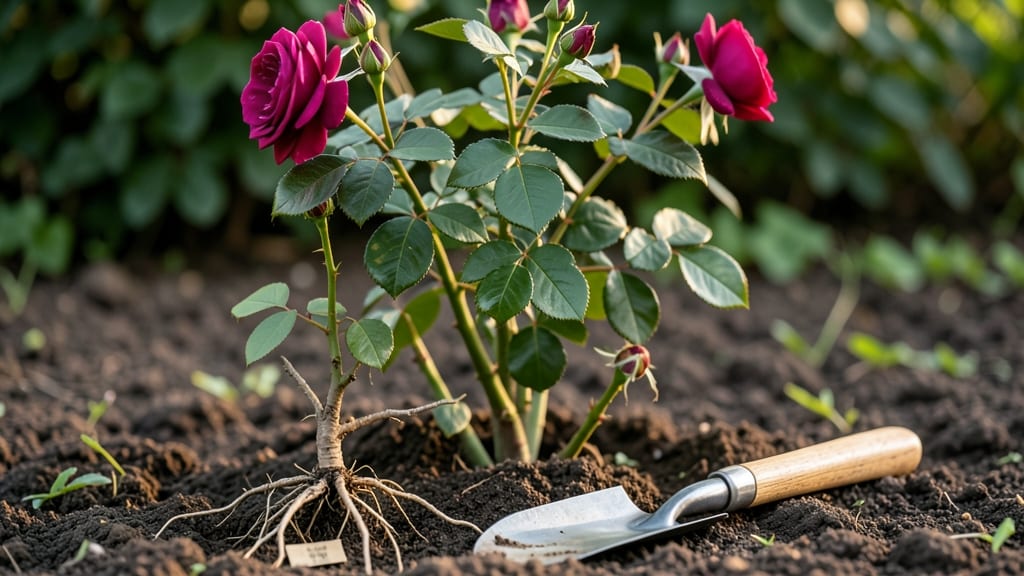
Planting Time for Roses: Zone-Specific Calendar for Peak Blooms

Planting

Planting Time for Roses: Zone-Specific Calendar for Peak Blooms

The right planting time for roses depends on your zone, but getting it wrong can mean weak roots and fewer blooms—here’s how to nail it every time 🌹.

Picture this: you’ve picked the perfect rose variety, prepped the soil, and even mulched like a pro. But if you plant too early in cold zones or too late in warm ones, your roses may struggle to establish before stress sets in.

The key is understanding when your local climate allows roots to settle without frost or heat shock.

In USDA Zone 6a (like much of the Midwest), early spring after the last frost or early fall—about 4-6 weeks before the first frost—gives roses the best start.

But move south to Zone 8, and fall planting becomes riskier due to milder winters. Container-grown roses? They’re more flexible, but timing still matters for transplant shock.

Below, I break down the exact months for your zone, plus soil prep tips and variety-specific tricks to ensure your roses bloom like clockwork—no guesswork, just results.

🌹 Your Rose Journey
From seed to harvest in General (USDA Zone 6a default)
Plant
Early spring
Grow
Spring-Summer
Harvest
N/A (flowers
Best Time to Plant in General (USDA Zone 6a default)
Early spring (after last frost) or early fall (4-6 weeks before first frost)
Plant bare-root roses in early spring or fall; amend soil with compost for better drainage.

Best planting months for roses by USDA hardiness zones

Planting roses at the right time ensures strong root development and stunning blooms. The USDA hardiness zone where you live determines whether spring or fall planting is best. For most gardeners, early spring (after last frost) or early fall (4-6 weeks before first frost) offers ideal conditions.

However, container-grown roses and bare-root varieties have slightly different timing needs based on your climate.

In warmer zones (8-11), fall planting risks heat stress, while cooler zones (3-6) benefit from early spring planting to avoid winter dormancy challenges. Understanding these zone-specific windows helps you avoid common mistakes like planting too early (when soil is still cold) or too late (when frost is imminent).

Let’s break down the best months for each zone to maximize your roses' potential.

Key factors to consider:

  • Soil temperature (ideal: 50-60°F)
  • Frost dates (check your local USDA zone map)
  • Rose type (bare-root vs. container-grown)
  • Local microclimates (e.g., urban heat islands)

Below is a zone-by-zone planting guide for roses, including adjustments for bare-root and container-grown varieties. Use this as your roadmap to timing perfection—because a well-timed rose is a thriving rose!

<

Signs your rose planting timing is wrong (and how to fix it)

Planting roses at the wrong time can leave your garden with weak, struggling plants instead of the lush, blooming beauties you envision. Even the hardiest rose varieties need proper timing to establish strong roots and thrive.

One of the biggest mistakes I see is planting too early in cold climates or too late in warm zones, both of which stress young plants.

When you plant roses outside their ideal window, you risk stunted growth, poor flowering, or even plant death. For example, in USDA Zone 6, planting bare-root roses in late winter before the soil warms can lead to root rot, while waiting until late spring might delay blooming.

Understanding these seasonal indicators is key to success.

⚠️

Warning Signs of Wrong Planting Timing

Planting roses when soil temperatures are below 60°F (15°C) or when frost dates are unpredictable can cause irreversible damage. Look for these red flags:

  • 🌱 Yellowing leaves (sign of cold stress)
  • 🌡️ Slow root establishment (roots stay woody and brittle)
  • ❄️ Frost damage on new growth (blackened or mushy stems)

One of the first signs your planting timing might be off is leaf discoloration. If your rose leaves turn yellow or brown shortly after planting, it’s often a sign of cold soil stress.

Roses need warm soil—at least 60°F (15°C)soil thermometer before planting to avoid this common mistake.

Another key indicator is how quickly your roses establish roots. If you’ve planted in late fall or early spring and notice your roses aren’t showing new growth within 4-6 weeks, they may be struggling to adapt.

This is especially true for bare-root roses, which are more sensitive to timing. In colder zones, aim to plant at least 4-6 weeks before the first frost to give roots time to settle.

For container-grown roses, timing is slightly more flexible, but you still need to avoid extreme heat or cold. If you plant in mid-summer, your roses may suffer from transplant shock due to heat stress.

Instead, opt for early spring or late summer planting when temperatures are milder. Mulching around the base can also help regulate soil temperature and reduce stress.

If you’ve already planted too early or late, don’t panic! You can still salvage your roses by adjusting care. For early planting, add a layer of mulch to insulate roots and protect against frost. If you’ve planted too late, focus on deep watering and avoid fertilizing until the following spring.

With the right adjustments, your roses can still thrive—just give them the extra care they need during their recovery period.

Remember, the best time to plant roses depends on your USDA zone and local climate. In warmer zones (like Zone 8-10), fall planting is ideal, while cooler zones (like Zone 3-5) benefit from early spring planting.

Always check your local frost dates and adjust accordingly to give your roses the best start possible.

★★★★★4.7(7 reviews)
Categories Planting
USDA Zone Best Planting Months Bare-Root Roses Container-Grown Roses Climate Notes
3-4 Late May–June Early spring (late April) Late May–June Short growing season; avoid early planting.
5-6 April–May or September–October Early spring (April) or fall (September) April–May or September–October Ideal for both seasons; mulch heavily in winter.
7 March–April or September–October Early spring (March) or fall (September) March–April or September–October Humid climate; ensure good air circulation.
8 November–December or February–March Fall (November) or early spring (February) November–December or February–March Mild winters; avoid summer planting.
9-10 November–December or January–February Fall (November) or winter (January) November–December or January–February Warm winters; plant in cooler months.
11 January–February Winter (January–February) January–February