
Pruning
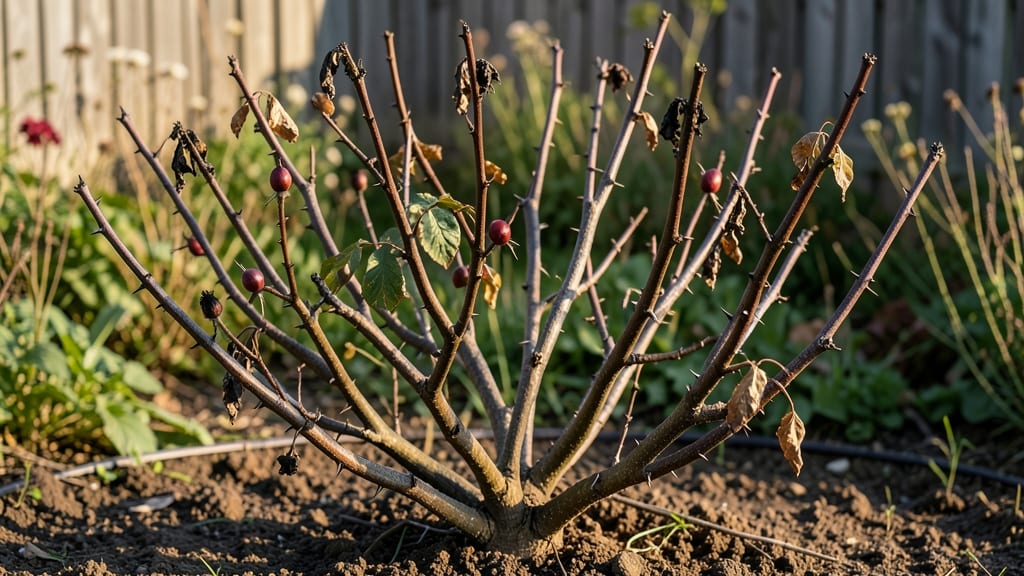
Seeing your rose bush dead after years of care feels like losing a garden friend. 🌹 The good news? Most "dead" roses can be revived with the right diagnosis and cleanup—whether it's disease, pests, or simple neglect.
I've brought back bushes others wrote off, and I'll show you how to assess the damage, remove deadwood properly, and give your roses a fighting chance.
Black spot fungus, root rot, or over-pruning are the usual culprits behind a struggling rose. The first step is cutting away all dead, diseased, or weak canes—down to healthy wood—using sharp pruners and rubbing alcohol between cuts.
You’ll need to dig deeper than you think: check for soft, mushy roots (root rot) or hollow stems (pests), and don’t skip soil testing for hidden issues like poor drainage.
What you’ll end up with is a bush that looks shockingly different but has a real chance at rebirth. New shoots will emerge within 2-4 weeks if the roots are still alive, and proper watering—deep but infrequent—will help them establish.
The payoff? A bush that’s stronger, more resistant, and ready to bloom next season with half the effort.
This works for hybrid teas, floribundas, and even old garden roses—just adjust pruning severity based on the damage. Whether your bush is just dormant or truly struggling, we’ll get it back on track. Let’s start with the cleanup.
Root Causes Of Rose Bush Death
When your once-vibrant rose bush suddenly turns crispy, wilted, or just plain lifeless, it’s often a sign of underlying issues. Understanding why your rose bush is dying is the first step toward reviving it—or at least preventing future heartbreak.
Below, we break down the most common culprits, backed by science, so you can diagnose the problem like a pro.
Roses are hardy, but they have limits. Temperature swings—whether too hot, too cold, or sudden shifts—can shock the plant and halt growth. Here’s how it happens:
- Heat Stress: Prolonged exposure to temperatures above 90°F (32°C) can cause protein denaturation in leaves, leading to wilting and browning. Roses also struggle to absorb water efficiently in extreme heat, causing dehydration.
- Cold Damage: Frost or freezing temperatures (below 20°F/-7°C) can rupture cell walls, killing tissue. Young, tender canes are especially vulnerable, while older wood may survive but produce fewer blooms.
- Sunburn: Intense afternoon sun (especially after a cold snap) can scorch leaves, leaving white or brown patches. This is common in hybrid teas and grandifloras with thin foliage.
💡 Pro Tip: Mulch with 2–4 inches of organic matter (like shredded bark or compost) to regulate soil temperature. In winter, cover bushes with burlap or frost cloth if your zone drops below 20°F (-7°C).
Water is the lifeblood of roses, but too much or too little can be fatal. Here’s the science behind the struggle:
- Underwatering: Roses need 1–2 inches of water per week. When soil dries out, roots shrink and die back, cutting off the plant’s nutrient supply. Symptoms include crispy, brown edges on leaves and drooping canes.
- Overwatering: Soggy soil (especially in clay or poorly draining soil) leads to root rot, caused by fungi like Phytophthora. Roots suffocate, turn black/mushy, and can’t absorb oxygen, starving the plant.
- Improper Watering: Sprinkling leaves (especially in humid climates) can spread black spot disease, while shallow watering encourages weak root growth.
🎯 Fix It:
- Water deeply but infrequently—aim for the root zone (6–12 inches down).
- Use drip irrigation or soaker hoses to avoid wetting foliage.
- Amend heavy clay soil with compost or sand to improve drainage.
Roses are heavy feeders, and poor soil health can silently kill them. Here’s what goes wrong:
- Compacted or Poor Soil: Roses thrive in well-draining, slightly acidic soil (pH 6.0–6.5). Compacted soil restricts root growth and limits oxygen, while alkaline soil (pH >7.0) locks out essential nutrients like iron and manganese, causing yellowing leaves (chlorosis).
- Nitrogen Deficiency: Leaves turn pale yellow and stems become weak. This often happens if the soil lacks organic matter or if the plant is overpruned without replenishing nutrients.
- Phosphorus/Potassium Imbalance: Phosphorus (P) fuels blooms, while potassium (K) strengthens disease resistance. A deficiency shows as dark green leaves with weak stems or poor flowering.
🔥 Soil Rescue Plan:
- Test your soil with a home pH kit and amend with sulfur (to lower pH) or lime (to raise pH) as needed.
- Add compost or aged manure in early spring to boost organic matter.
- Fertilize with a balanced rose food (10-10-10 or 5-10-5) in spring and mid-summer.
Invisible invaders can drain a rose bush of its vitality before you even notice. Here’s how they strike:
- Japanese Beetles & Rose Slugs: These pests skeletonize leaves, reducing the plant’s ability to photosynthesize. Heavy infestations can kill new growth.
- Black Spot (Fungal Disease): Caused by Diplocarpon rosae, this fungus creates black or purple spots with yellow halos on leaves. Severe cases cause defoliation, weakening the bush.
- Powdery Mildew: A white, powdery coating on leaves blocks sunlight, stunting growth. It thrives in humid, shaded conditions.
- Root Weevils: Larvae chew on roots, while adults notch leaf edges. Infestations can severely limit water uptake.
🛡️ Defense Strategies:
- Spray leaves with neem oil or horticultural oil to deter pests.
- Remove infected leaves immediately and dispose of them in the trash (not compost).
- Improve air circulation by pruning for an open canopy.
- Apply fungicidal sprays (like copper-based treatments) at the first sign of disease.
Pruning is essential, but mistakes can accelerate decline. Here’s how:
- Over-Pruning: Cutting back more than 1/3 of the bush in one season removes too much foliage, reducing the plant’s ability to photosynthesize and store energy.
- Wrong Cuts: Pruning too close to the base or leaving stubs invites disease. Always cut just above a healthy bud or outward-facing leaf.
- Timing Issues: Pruning in late fall or winter (when the plant is dormant) can expose it to cold damage. Early spring (just before new growth) is ideal.
✨ Pruning Best Practices:
- Use clean, sharp pruners to make 45-degree cuts above a bud.
- Avoid pruning when the plant is stressed (e.g., during drought or extreme heat)
Revive Your Rose Bush Now
When your rose bush looks like it’s checked out for good, don’t panic—many common issues have simple fixes.
Below, we’ll break down the most likely causes of a dead or dying rose bush and show you how to bring it back to life (or at least give it a proper farewell if it’s beyond saving).
Each solution is designed to be practical, step-by-step, and easy to follow, whether you’re a gardening newbie or a seasoned green thumb.
Signs: Yellowing leaves, mushy stems, roots that smell rotten when pulled gently.
How to Fix It:
- Stop Watering Immediately 💧➡️🚫
- Overwatering suffocates roots by cutting off oxygen. Let the soil dry out completely before watering again.
- Check the Drainage 🕳️💦 - Dig around the base of the bush to see if water pools or if the soil feels soggy.
If so, amend the soil with perlite, sand, or compost to improve aeration. - Pro Tip: 💡 If your rose is in a pot, ensure it has drainage holes and a saucer underneath (but empty it after watering).
- Trim the Damage ✂️🌿
- Use sterilized pruners to cut back any blackened, mushy stems to healthy green tissue. Dispose of the clippings (don’t compost them—they may spread disease).
- Repot or Relocate (If Needed) 🏡🌳
- If the roots are severely rotted, dig up the bush and trim the healthy roots, then replant it in well-draining soil or a new spot with better drainage.
Prevention Tips: ✅ Water deeply but infrequently—roses prefer dry soil between waterings. ✅ Avoid planting in low-lying areas where water collects. ✅ Mulch around the base (but not touching the stem) to regulate moisture.
Signs: Crispy, brown edges on leaves, wilting despite water, dry soil pulling away from the pot.
How to Fix It:
- Give It a Deep Drink 💦🌧️
- Water slowly and deeply until it runs out the drainage holes (for potted roses) or seeps 6–8 inches into the ground (for in-ground plants).
- Mulch to Retain Moisture 🌿🛡️
- Spread 2–3 inches of organic mulch (like wood chips or straw) around the base, keeping it 2–3 inches away from the stem to prevent rot.
- Adjust Your Watering Schedule ⏰📅
- Water early in the morning (6–9 AM) to reduce evaporation. Aim for 1–1.5 inches of water per week, including rainfall.
- Prune Damaged Foliage ✂️🍃
- Cut back any completely brown or crispy leaves to redirect the plant’s energy to new growth.
Prevention Tips: ✅ Use a soaker hose for even watering. ✅ Group roses with other plants to create a microclimate that retains moisture. ✅ Monitor soil moisture with your finger—top inch should be dry before watering again.
Signs: Holes in leaves, sticky residue (aphids), black spots (fungus), or sawdust-like frass (rose slugs).
How to Fix It:
- Identify the Culprit 🔍🐛
- Aphids/Mealybugs: Tiny insects clustered on stems/leaves.
- Japanese Beetles: Skeletons of leaves with chewed edges.
- Black Spot: Dark circular spots on leaves (fungal).
- Powdery Mildew: White, powdery coating on foliage.
- Treat Pests Naturally 🌿💦
- Soap Spray: Mix 1 tbsp mild dish soap + 1 quart water, spray directly on pests (reapply every 5–7 days).
- Neem Oil: Spray 1 tbsp neem oil + 1 tsp mild soap + 1 quart water to suffocate pests and prevent future infestations.
- Handpick: Drop beetles into soapy water or squish them off leaves.
- Fight Fungal Diseases 🍄➡️🚫
- Prune infected leaves immediately and dispose of them (don’t compost).
- Apply fungicide: Use copper fungicide or a baking soda spray (1 tsp baking soda + 1 quart water + a drop of soap).
- Improve airflow: Space roses 3–4 feet apart and prune to allow sunlight to reach the center.
Prevention Tips: ✅ Water at the base (not overhead) to keep leaves dry. ✅ Inspect regularly—catch pests early! ✅ Rotate fungicides if diseases recur to avoid resistance.
Signs: Blackened canes, no new growth in spring, brittle stems.
How to Fix It:
- Prune Dead Canes ✂️❄️
- Cut back any black, mushy, or hollow stems to healthy wood (look for green underneath the bark).
- Pro Tip: 🌡️ If unsure, scratch the bark—if it’s green, the cane is alive; if brown, it’s dead.
- Protect Next Winter 🛡️❄️
- Mound soil or mulch around the base (up to the graft union for hybrid roses) to insulate roots.
- Wrap canes with burlap or rose cones before the first hard frost.
- Choose cold-hardy varieties (e.g., ‘Dr. Huey,’ ‘Knock Out’) if you live in a harsh climate.
- Fertilize for Recovery 🌱💪
- Apply a balanced fertilizer (10-10-10) in early spring to encourage new growth.
Prevention Tips: ✅ Avoid late-season pruning—stop cutting back in early fall to allow canes to harden off. ✅ Water deeply before winter to help roots withstand freezing. ✅ Plant in a sheltered spot (near a south-facing wall or fence).
Signs: Leggy stems, sparse blooms, leaves growing only at the top.
How to Fix It:
- Move or Prune for Sun ☀️🌿
- If possible, relocate the bush to a spot with at least 6 hours of direct sun daily.
- If moving isn’t an option, prune back overgrown branches to open up the center for better airflow and light penetration.
- Thin Out the Bush ✂️🌳
- Remove crossing, rubbing, or weak canes to reduce competition for sunlight and nutrients.
- Aim to leave 3–5 strong, healthy canes per bush.
- Fertilize for Growth 🌱💥
- Use a phosphate-heavy fertilizer (5-10-10) in early spring to encourage blooming.
Prevention Tips: ✅ Plant roses in full sun from the start—most varieties thrive in 6+ hours of light. ✅ Space bushes 3–4 feet apart to prevent overcrowding. ✅ Prune annually to maintain an open, airy shape.
If your rose bush has no green tissue left, no signs of new growth after 2–3 weeks of care, or roots are completely rotted, it may be time to remove it entirely.
Dig it up, compost the healthy parts (if any), and replace it with a new, disease-resistant variety in a better location.
Remember: 🌟 Patience is key—some roses bounce back faster than others. Stick with the care plan,
Frequently asked questions
1How can I tell if my rose bush is truly dead or just dormant?
Check for green tissue under the bark by scratching a small section of a cane with your fingernail. If it's green, the bush is alive but dormant (common in winter). If brown, the cane is dead. Look for new growth buds near the base—if they're swollen, the roots are still active.
2What should I do if only part of my rose bush is dead?
Prune away all dead canes down to healthy green wood using sterilized pruners. Leave 3-5 strong canes to encourage regrowth. Apply balanced fertilizer (10-10-10) and water deeply but infrequently. New shoots should appear in 2-4 weeks if roots are healthy.
3Can I save a rose bush with root rot?
Yes, but act fast! First, stop watering immediately to prevent further damage. Dig up the bush and trim away all mushy, black roots. Replant in well-draining soil with added perlite or sand. Water lightly for 2 weeks while roots recover. If roots are completely rotted, remove the bush and replace it.
4Why did my rose bush die suddenly even though I cared for it?
Sudden death often signals hidden pests (like root weevils) or fungal diseases (black spot, powdery mildew). Check for hollow stems (pests) or black spots on leaves (disease). Soil issues like compacted roots or nutrient deficiencies can also kill roses quickly. Test your soil pH and amend if needed.
5Should I replace a dead rose bush or try to revive it?
If no green tissue remains and there's no new growth after 3 weeks of care, it's best to remove it. Dig up the roots and compost healthy parts (if any). Replace with a disease-resistant variety like 'Knock Out' roses, which thrive in tough conditions. Plant in full sun with well-draining soil.
- Stop Watering Immediately 💧➡️🚫