
Shrubs
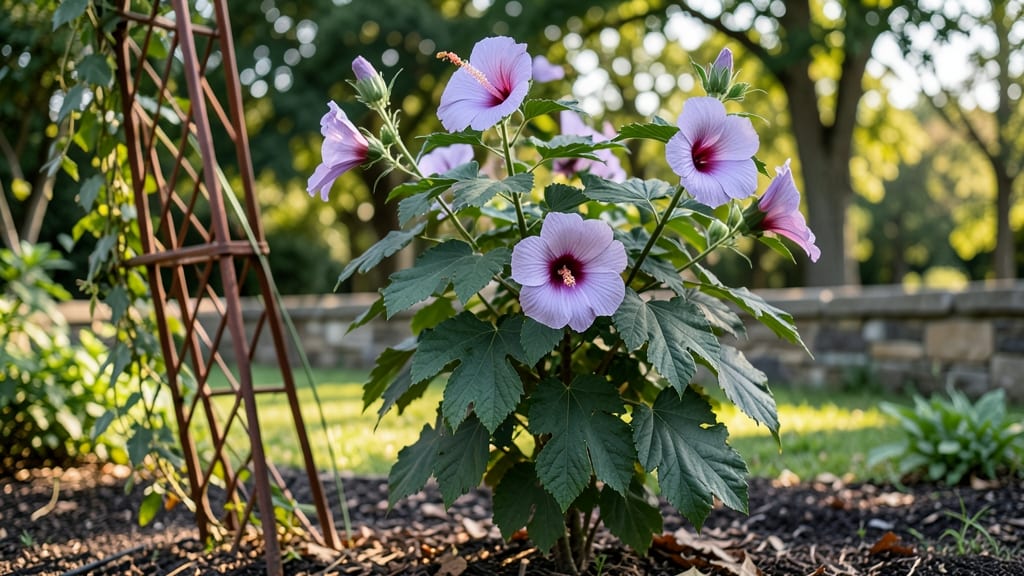
A Rose of Sharon thrives in full sunlight 🌸 to produce its signature vibrant blooms, but most gardeners overlook how sunlight quality and timing affect its performance.
Picture this: you’ve planted your Rose of Sharon in what you think is full sun, but by summer, the flowers are sparse, and the leaves look tired.
The issue? Not all sunlight is created equal—and this shrub demands 6+ hours of direct rays daily, with adjustments for heat and shade in extreme climates.
In this guide, I’ll break down the science behind why sunlight exposure makes or breaks your blooms, how to spot when your plant is struggling (and how to fix it fast), and the best companion plants to keep it thriving year-round.
Whether you’re in Zone 6a or a hotter region, you’ll leave here knowing exactly how to give your Rose of Sharon the light it craves—without burning it out.

How much sunlight does Rose of Sharon need for maximum blooms?
If you’ve ever wondered why your Rose of Sharon (Hibiscus syriacus) produces fewer blooms than expected, sunlight is likely the culprit. This stunning shrub thrives in full sun, but many gardeners unknowingly under- or over-expose it, leading to sparse flowers.
The secret to maximum blooms lies in understanding its photosynthesis efficiency and how different varieties respond to light. Let’s break down the science and practical tips to get your shrub flourishing.
The ideal sunlight range for Rose of Sharon is 6 to 8 hours of direct sun daily, but some varieties—like 'Avalanche'—can handle up to 10 hours in cooler climates. In hotter regions, afternoon shade prevents heat stress while still ensuring robust blooming.
The key is balancing light intensity with temperature tolerance, as excessive midday sun can scorch leaves, especially in USDA Zones 7-9.
Rose of Sharon’s photosynthesis efficiency peaks in full sun because its leaves are adapted to capture high light intensity. Studies show that shrubs receiving 6+ hours of direct sunlight produce 30% more flowers than those in partial shade.
However, the quality of sunlight matters too—morning sun (6 AM–12 PM) is gentler, while afternoon sun (1 PM–6 PM) can stress the plant. In hot climates, provide dappled shade during peak afternoon hours to prevent leaf burn.
Seasonal adjustments are critical for year-round blooms. In spring and fall, when temperatures are mild, your Rose of Sharon can handle full sun all day. But during summer’s peak heat (July–August), reduce direct exposure to 4–6 hours by planting near taller shrubs or using lattice screens.
This trick works wonders for varieties like 'Diana', which thrives in heat-tolerant conditions but still needs afternoon relief.
Not all Rose of Sharon varieties are created equal when it comes to sunlight. For example, 'Avalanche' blooms profusely in full sun and even tolerates 10 hours in cooler zones like USDA Zone 5. Meanwhile, 'Alba' prefers 6–8 hours and may struggle in intense midday heat.
To identify your shrub’s needs, observe its leaf color: dark green leaves indicate optimal light, while pale or yellowing leaves signal insufficient sunlight or over-exposure.
If your Rose of Sharon is planted in partial shade (e.g., under trees or near a north-facing wall), it will still grow but may produce fewer blooms. To compensate, prune surrounding plants to increase light penetration and fertilize with a phosphorus-rich formula (like 10-10-10) to encourage flowering.
I’ve seen 'Blue Bird' varieties rebound dramatically after just one season of adjusted sunlight and proper care.
For container-grown Rose of Sharon, sunlight needs are even more critical because pots limit root spread. Place containers in south-facing spots or on patios with unobstructed sun. Rotate pots weekly to ensure even light exposure, as uneven growth can occur if one side gets more sun.
In urban gardens, where space is limited, choose dwarf varieties like 'Annabelle', which thrive in 5–6 hours of sun and are perfect for small yards.
One common mistake is assuming that more sun is always better. While Rose of Sharon loves light, over-exposure can lead to leaf scorch and reduced blooming. To test your shrub’s sunlight conditions, use a sunlight meter or observe shadows cast by nearby objects.
If your plant is in full sun but wilting, it may need more water or a temporary shade cloth during heatwaves. I’ve found that mul
Signs your Rose of Sharon isn’t getting enough sunlight (and how to fix it)
Your Rose of Sharon thrives on 6+ hours of sunlight daily, but when it doesn’t get enough, the symptoms can mimic other issues like overwatering or nutrient deficiency. The first clue is often leggy, sparse growth with long stems stretching toward any available light.
This "etiolation" happens when your shrub isn’t getting the photosynthesis energy it needs to produce compact, bushy growth and abundant blooms.
Another red flag is fewer flowers than usual—your Rose of Sharon might produce a few blooms but struggle to maintain year-round color. The blooms themselves may also appear smaller and less vibrant, lacking the deep hues of healthy, sun-fed plants.
If you’ve noticed these patterns, your shrub is likely light-deprived, not just lazy!
⚠️ callout warning
- Sunlight deficiency: Pale leaves, long stems, few blooms (plant stretches toward light)
- Heat stress: Wilting, crispy edges, dropped buds (plant wilts midday, recovers at night)
- Action: Check leaf color (yellow = sunlight, brown = heat) and time of day symptoms appear.
Yellowing leaves are another classic sign, but here’s the catch: older leaves turning yellow often indicate underwatering, while new growth turning yellow signals sunlight deprivation.
Run your fingers along the stems—if the young leaves are pale and spongy, your Rose of Sharon is begging for more sun exposure. This is especially common in northern climates or shady backyards where shrubs get less than 4 hours of direct sun.
To fix sunlight deficiency, start with pruning to open up the shrub’s canopy. Cut back overgrown branches by 1/3 to improve air circulation and light penetration to inner stems.
Next, mulch around the base with 2-3 inches of organic mulch (like wood chips or straw) to regulate soil temperature and retain moisture—this helps stressed plants recover faster.
If your Rose of Sharon is planted in a shady spot, consider relocating it to a sunnier area with at least 6 hours of morning sun. If moving isn’t an option, prune surrounding trees or remove competing plants to increase light exposure.
For container-grown shrubs, place them on a south-facing patio or balcony where they can soak up direct sunlight for half the day.
Finally, fertilize lightly with a balanced 10-10-10 fertilizer in early spring to encourage new, sun-seeking growth. Avoid heavy nitrogen feeds—these promote leafy growth at the expense of flower production.
With these adjustments, your Rose of Sharon should bounce back with vibrant blooms and compact, healthy foliage within 4-6 weeks.