
Shrubs
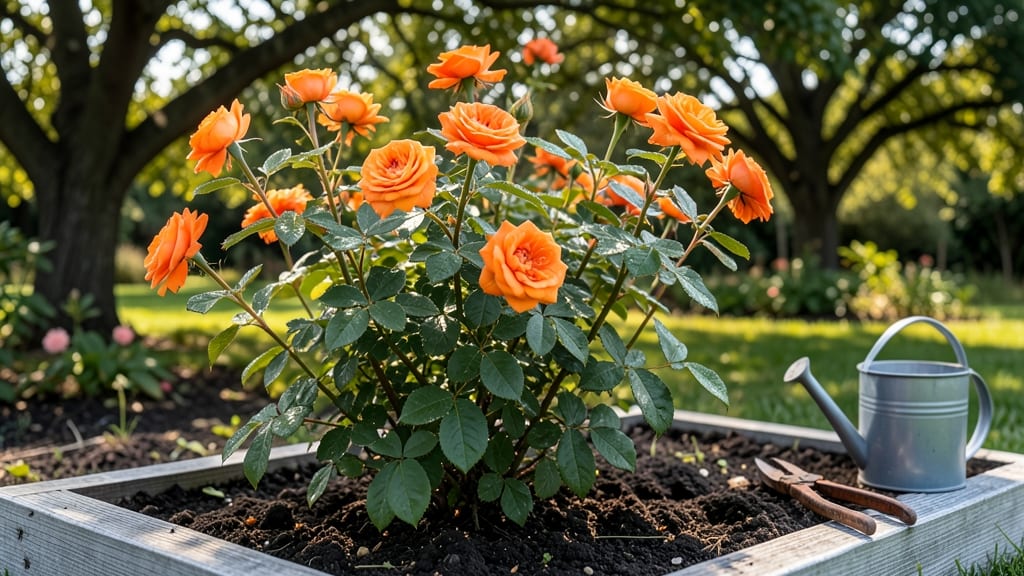
The vibrant rose orange color of 'Orange Triumph' instantly evokes a sunset in your garden, and these velvety, fragrant shrubs thrive in containers with the right care. 🌸 I've grown it for years, and its intoxicating scent makes it the star. of my patio displays.
The deep copper-orange hue pairs beautifully with soft pinks and creamy whites, creating a striking visual contrast that lasts all season.
These roses love full sun and well-draining soil, making them perfect for containers where you can control moisture levels. Varieties like 'Mister Lincoln' offer large, cup-shaped blooms that practically glow in the afternoon light, while 'Tea for Two' delivers a delicate, tea-scented fragrance.
The key to container success? A mix of potting soil and compost, plus regular watering that keeps roots happy without drowning them.
Imagine your patio transformed into a vibrant oasis where every bloom feels like a burst of summer. Orange roses add warmth to any space, whether you're creating a bold focal point or softening a corner with their lush foliage.
They pair especially well with lavender, salvia, and dusty miller for a modern, textured look that never goes out of style.
For best results, prune in early spring to encourage strong new growth, and feed with a balanced rose fertilizer every 4-6 weeks. These shrubs reward patience with nonstop blooms from late spring through fall, making them the ultimate container plant for color lovers.
Ready to bring that sun-kissed glow to your space?
📚 In This Guide
- What you need
- Instructions
- Tips and common mistakes
- Wrapping up and next steps
What you need
- ● Rose Orange Shrub: 1 healthy plant (check for vibrant foliage and buds—avoid wilted or yellowing leaves!)
- ● Container: 1 large pot (18–24 inches in diameter) with drainage holes. Pro tip: Terracotta or ceramic works best for heat retention!
- ● High-Quality Potting Soil: 1 bag (18–24 inches cubic feet) of well-draining, organic mix (add perlite or sand for extra aeration).
- ● Slow-Release Fertilizer: 1 packet (10–12 lb) of balanced, rose-specific granules (e.g., 10-10-10 or 12-12-12 NPK ratio).
- ● Mulch: 1 bag (2–3 cubic feet) of organic mulch (e.g., pine bark or shredded leaves) to retain moisture.
- ● Garden Gloves: 1 pair (to protect your hands from thorns and soil).
- ● Trowel or Spade: 1 medium-sized tool for planting and soil adjustments.
- ● Watering Can or Hose with Nozzle: 1 (for gentle, deep watering—avoid overhead spraying!).
- ● Pruning Shears: 1 pair (sterilized with rubbing alcohol) for shaping and deadheading.
- ○ Support Stake or Cage: 1 (optional but recommended for climbing varieties—choose a 4–5 ft tall trellis or spiral cage).
- ● Epsom Salt: 1 small bottle (for occasional magnesium boosts—mix 1 tbsp per gallon of water).
- ● Sunlight: A spot with 6+ hours of direct sunlight daily (rose orange shrubs love basking in the sun!).
- ● Water Access: Easy reach to your watering spot (containers dry out faster!).
- ● Patience: Roses thrive with time—be ready for 3–4 weeks of initial care before seeing full blooms!
Step-by-step guide to growing a vibrant orange rose shrub in containers
Here's how to cultivate a sun-drenched, fragrant orange rose that blooms beautifully in pots.
🪴 Step 1: Select the Right Container and Soil Mix
Choose a 5-gallon container with drainage holes—orange roses need room for strong roots. I always opt for terracotta because it breathes and prevents root rot, which is a common issue with container roses. Fill the bottom third with gravel or perlite to create drainage space, then add a high-quality potting mix blended with 20% compost for nutrients.
Press the soil down gently to remove air pockets but don't compact it too tightly. The mix should feel like a damp sponge—moist but not soggy. If your soil feels too dense, add a handful of orchid bark to improve aeration. This ensures roots get both water and oxygen, which is critical for container-grown roses.
☀️ Step 2: Plant and Position for Maximum Sunlight
Dig a hole in the center of the container that's just slightly wider than the rose's root ball. Gently loosen the roots if they're circling, then place the plant so the graft union (the bump near the base) sits 1 inch below soil level. This protects the plant from harsh weather and encourages strong growth.
Backfill with soil, pressing lightly to eliminate air gaps. Water deeply until it drains from the bottom holes—this settles the soil and eliminates air pockets. Position your orange rose in a spot that gets 6-8 hours of direct sun daily. South or west-facing locations work best, but avoid harsh afternoon sun in hot climates, which can scorch delicate petals.
💧 Step 3: Water and Fertilize for Continuous Blooms
Water your rose when the top 2 inches of soil feel dry—usually every 2-3 days in summer, but adjust based on your climate. I use a watering can with a narrow spout to direct water at the base, avoiding the leaves to prevent fungal diseases like black spot. Mulch the soil surface with 1 inch of pine bark mulch to retain moisture and regulate temperature.
Feed your orange rose every 2 weeks during spring and summer with a balanced rose fertilizer (10-10-10 or similar). In fall, switch to a low-nitrogen formula to encourage root development. You'll notice stronger stems and more vibrant blooms within a month of consistent feeding—this is the secret to container roses thriving in limited space.
✂️ Step 4: Prune for Shape and Encourage More Blooms
Prune your orange rose in early spring before new growth begins. Remove any dead, diseased, or crossing branches first, then cut back the remaining stems by one-third to encourage bushier growth. Make cuts just above an outward-facing bud to promote an open, airy shape that prevents fungal issues.
Throughout the growing season, deadhead spent blooms by cutting back to the nearest 5-leaflet leaf. This redirects the plant's energy into producing more flowers instead of seed pods. I also trim any leggy growth to maintain a compact, container-friendly size. Regular pruning keeps your orange rose looking tidy and blooming prolifically—it's the key to container success.
🌿 Step 5: Overwinter for Next Season's Beauty
As temperatures drop below 40°F at night, move your container to a protected location like a garage or under an eave. Wrap the pot in bubble wrap or frost cloth to insulate roots, then cover the top with a breathable fabric to protect the plant from cold winds. Reduce watering to once every 2 weeks—just enough to keep the soil from drying out completely.
In late winter, before new growth begins, give your orange rose a light pruning to remove any dead wood. Fertilize lightly with a half-strength rose food to wake up the roots. When nighttime temperatures stay above 50°F consistently, move the container back outdoors and resume regular care. With proper overwintering, your orange rose will burst back to life with even more vibrant blooms next season.
Tips & tricks for perfectly vibrant orange rose shrubs
These little secrets will help your sun-kissed orange rose thrive in containers and burst with fragrance all season long!
Container Selection Matters: While a 5-gallon container is ideal, don't overlook the material! Glazed ceramic pots can trap too much moisture, while plastic containers don't breathe as well as terracotta. For extra insurance against root rot, consider adding a layer of hydroponic clay pebbles at the bottom—this creates an additional drainage barrier while improving aeration.
Sunlight Strategy: Those 6-8 hours of direct sun are non-negotiable, but timing matters just as much! Position your container to catch morning sun first, then afternoon shade if you're in a hot climate. I've seen orange roses scorch when left in harsh afternoon sun—watch for leaves that suddenly look bleached or crispy at the edges. A sheer white shade cloth can save your plant during peak summer heat while still allowing plenty of light.
Fertilizer Timing: The 2-week feeding schedule during spring and summer is perfect, but here's what nobody tells you—the first feeding should happen right after you notice new growth in early spring. This jumpstarts your rose's bloom cycle. And when you switch to low-nitrogen in fall, reduce the amount by half for the first feeding—your plant's needs shift dramatically as it prepares for dormancy.
Pruning Precision: When deadheading those spent blooms, always cut back to the nearest 5-leaflet leaf—never just above a bud. This ensures you're not removing potential growth points. For the early spring pruning, take your time and make clean cuts at a 45-degree angle just above an outward-facing bud. This encourages bushier growth and prevents those unsightly "holes" in your plant's shape that can trap moisture and invite disease.
Pro Tips for Rose Orange Color
- These little secrets will help your sun-kissed orange rose thrive in containers and burst with fragrance all season long!
- Container Selection Matters: While a 5-gallon container is ideal, don't overlook the material!
- Sunlight Strategy: Those 6-8 hours of direct sun are non-negotiable, but timing matters just as much!
Frequently asked questions
Got questions about the stunning rose orange color shrubs? You’re not alone! Here are some of the most common queries—plus quick, practical answers to help you grow and enjoy these sun-soaked beauties with confidence.
What’s the best way to keep my rose orange shrub blooming all season?
Prune lightly after the first flush of blooms to encourage continuous flowering. Use sharp shears to trim spent flowers and shape the shrub—just avoid cutting into old wood. Feed with a balanced fertilizer (like 10-10-10) every 6-8 weeks during the growing season. Pro tip: Deadheading (removing faded blooms) keeps energy focused on new flowers!
How long does it take for a rose orange shrub to mature and bloom?
Patience pays off! Most rose orange color shrubs (like Hibiscus or Kniphofia) take 1-2 years to reach full size and bloom. Start with healthy nursery plants for faster results. In containers, they may bloom slightly earlier due to better nutrient access. Pro tip: Mulch around the base to retain moisture and speed up growth!
Can rose orange shrubs survive in hot, dry climates?
These shrubs love heat but need well-draining soil to avoid root rot. Water deeply 2-3 times per week during dry spells, then taper off once established. Choose varieties like Lantana or Bougainvillea for extreme drought tolerance. Pro tip: Add gravel to pots for better drainage!
What are some low-maintenance alternatives to rose orange shrubs?
If you want orange-hued shrubs with less fuss, try:
- Butterfly Bush (Buddleia) – Drought-tolerant and attracts pollinators.
- Abelia (Abelia x grandiflora) – Glossy leaves and fragrant blooms; thrives in partial shade.
- Dwarf Butterfly Bush (Buddleia ‘Lo & Behold’) – Compact and perfect for containers.
Why are the leaves on my rose orange shrub turning yellow or brown?
Yellow leaves often signal overwatering or nutrient deficiency, while brown edges can mean underwatering or sunburn. Check soil moisture (top inch should be dry) and adjust watering. Brown spots? It could be pests (like spider mites) or fungal issues—treat with neem oil or fungicide if needed. Pro tip: Rotate containers for even sun exposure!
Wrapping up and next steps
The rose orange color shrub isn’t just a stunning addition to your garden—it’s a sun-loving, fragrant powerhouse that thrives in containers with minimal fuss! 🌸 With the right care, this vibrant beauty will reward you with bold blooms and a heavenly scent year after year.
Whether you’re a seasoned gardener or just starting out, this shrub makes container gardening feel effortless and rewarding.
Ready to bring home your own slice of sun-kissed charm? Start by picking out your favorite rose orange variety and get planting—your patio (or balcony!) will thank you. Happy growing! 🌿