
Shrubs
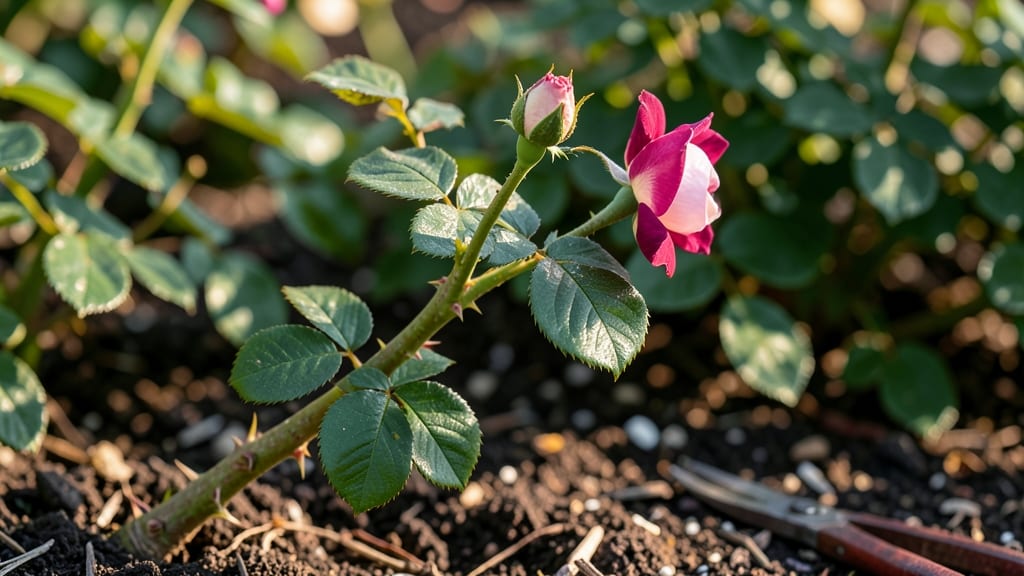
Your rose stems hold the secret to year-round fragrance—if you prune them right. 🌹 I learned this the hard way when my roses stopped blooming after winter, until I discovered the simple cuts that keep them thriving all season.
The key isn’t just cutting back; it’s knowing when and where to make those snips for healthy growth and endless blooms.
Start with a sharp pair of pruners and clean tools to avoid spreading disease. Look for dead, crossing, or weak stems—these are your first targets. Cut just above an outward-facing bud, at a 45-degree angle, about ¼ inch above it.
This small detail makes all the difference in how your rose responds. The goal? Encourage new growth that stays strong and fragrant, even in colder months.
By summer’s end, you’ll see lush, vibrant stems pushing out fresh blooms—no more bare branches—and the fragrance will follow. The right cuts mean fewer diseases, more flowers, and roses that keep giving long after most gardens fade.
Think of it as a reset button for your shrubs, one that pays off in petals.
Timing matters: prune lightly in late winter before new growth starts, then do a mid-summer trim to shape and encourage fall blooms. This two-step approach keeps your roses looking polished and productive all year. And if you miss a season? Don’t stress—roses are forgiving. Just start fresh next year.
📚 In This Guide
- What you need
- Instructions
- Tips and common mistakes
- Wrapping up and next steps
What you need
- ● Rose shrub: A healthy, mature rose bush (choose fragrant varieties like David Austin or Hybrid Teas for best results).
- ● Pruning shears: Sharp, bypass-pruners (4-6” blades) for clean cuts—sterilize with rubbing alcohol before and after use!
- ● Garden gloves: Heavy-duty, cut-resistant gloves (e.g., Felco or Fiskars) to protect hands from thorns.
- ● Disinfectant: 1-part bleach to 9-parts water (for sterilizing tools and cuts).
- ● Compost or mulch: 2-3 inches of organic matter (e.g., shredded bark or aged compost) to retain moisture.
- ● Fertilizer: Balanced rose fertilizer (e.g., 10-10-10 or organic fish emulsion) for post-pruning nourishment.
- ● Watering can or hose: With a gentle spray nozzle for hydration.
- ● Pruning saw: For thick, woody stems (2-3” diameter).
- ● Rose tying twine: To support new growth (if training climbing roses).
- ● Plant food spray: Foliar feed (e.g., seaweed extract) for a quick nutrient boost.
- ● Garden journal: To track pruning dates and stem growth for future reference!
How to prune a rose shrub for year-round blooms
Here’s the simple, seasonal approach I use to keep my roses flowering like crazy all year—no fancy tools or guesswork required.
✂️ Step 1: Prune for Spring Growth
Start in late winter or early spring, just as buds begin to swell. This is your chance to shape the shrub and encourage strong new growth. I cut back last year’s dead or weak stems to a healthy outward-facing bud, using clean, sharp pruners. Always make cuts at a 45-degree angle, about ¼ inch above the bud—this prevents water from pooling and rotting the stem.
Remove any crossing branches or stems growing inward to improve airflow. You’ll see the plant’s natural shape emerge as you work. For climbing roses, leave 2-3 feet of last year’s growth to support the canes. The goal is to open up the center so light and air reach all parts of the shrub.
☀️ Step 2: Deadhead and Thin After Blooms
Once flowers fade, snip off the spent blooms just above a set of 5-leaf clusters (this is where new growth will emerge). I use my fingers to pinch off smaller blooms—no need for pruners here. This encourages the plant to focus energy on producing more flowers instead of seeding.
After the first flush of blooms, thin out one-third of the oldest canes at the base. These are usually the thickest stems with no new growth. Cut them completely away—this rejuvenates the shrub and keeps it compact. You’ll notice new, vigorous shoots appearing within weeks.
⏰ Step 3: Light Summer Maintenance
In summer, I do minimal pruning—just remove any diseased or damaged stems immediately to prevent spread. If a branch looks leggy or overgrown, I trim it back by one-third to encourage bushier growth. Always sterilize your pruners with rubbing alcohol between cuts to avoid transferring pathogens.
Watch for suckers—those unwanted shoots growing from the base or along the stem. Snap them off at the ground level. These compete with your main plant for nutrients, so removing them early keeps your rose shrub thriving. A quick check every few weeks keeps things tidy.
🌿 Step 4: Prepare for Winter Dormancy
In late fall, cut back any remaining dead or weak stems. For tender roses, wrap the canes loosely with burlap or a rose cone to protect them from harsh winter winds. I leave 3-4 inches of stem above the graft union—this prevents hidden buds from freezing.
Remove all fallen leaves and debris from around the base to reduce disease risk. A light layer of 2-3 inches of mulch (like shredded bark) helps insulate the roots. By spring, your rose will burst back to life, ready for another season of blooms.
Tips & tricks for perfect rose shrub pruning
These simple strategies will help you keep your roses blooming beautifully all year without the guesswork.
Cutting Angle Matters: When pruning in Step 1, that 45-degree angle isn't just for looks—it creates a natural water runoff path that prevents rot at the cut. I like to visualize a tiny gutter channel guiding water away from the stem. Also, make sure your pruners are sharp; dull blades crush stems instead of cleanly cutting them. This reduces stress on the plant and promotes faster healing.
Seasonal Timing Secret: In Step 2, when deadheading, always look for those 5-leaf clusters—this is where new growth emerges. I've learned the hard way that cutting too close to the stem can damage the plant's growth points. For summer maintenance in Step 3, I set a reminder every 2 weeks to check for suckers. These sneaky little shoots can drain energy from your main plant if left unchecked.
Winter Protection: For tender roses in Step 4, that 3-4 inch stem height above the graft union is crucial. I've seen roses completely die back when frozen buds weren't properly protected. When wrapping canes, leave room for air circulation—too tight and you'll trap moisture that can cause rot. A loose burlap wrap lets the plant breathe while still protecting it from harsh winds.
Tool Maintenance: After each pruning session, I clean my pruners with rubbing alcohol—this prevents spreading diseases between cuts. I also keep a small spray bottle of diluted bleach solution (1 part bleach to 9 parts water) for quick disinfection between plants. This simple step has kept my roses healthier than ever.
Pro Tips for Stem Of A Rose
- These simple strategies will help you keep your roses blooming beautifully all year without the guesswork.
- Cutting Angle Matters: When pruning in Step 1, that 45-degree angle isn't just for looks—it creates a natural water runoff path that prevents rot at the cut.
- Seasonal Timing Secret: In Step 2, when deadheading, always look for those 5-leaf clusters—this is where new growth emerges.
Frequently asked questions
Got questions about nurturing your rose shrub’s stem for that year-round fragrance? You’re not alone! Here are answers to the most common queries—from pruning timing to troubleshooting woody stems. Let’s dive in!
When is the best time to prune rose stems for continuous blooms?
The ideal window is late winter or early spring (just before new growth starts), but you can also do light pruning after major bloom cycles to encourage reblooming. Avoid heavy cuts in fall—they stress the plant. For climates with mild winters, a light trim in late summer can extend blooms into autumn. Pro tip: Always prune on a dry day to reduce disease risk!
How do I know if I’m cutting the stem at the right angle?
Use a 45-degree angle about ¼ inch above a bud (or outward-facing leaf) to prevent water from pooling. This angle also exposes more surface area for faster healing. If you’re unsure, look for the “eyes” (buds) along the stem—these tell you where to make your cut. Never cut too close!
What if my rose stems turn woody or stop blooming?
Woody stems are normal as roses age, but over-pruning or poor nutrition can accelerate it. To revive a shrub:
- Fertilize with rose-specific feed in early spring.
- Thin out old, thick stems (those wider than a pencil) to redirect energy.
- Check for pests (like aphids) or fungal spots—treat with neem oil if needed.
If the center is hollow, it’s a sign of overgrowth—prune aggressively to open the center for airflow.
Can I use rose stems from cut flowers to propagate new shrubs?
Rooting cuttings is easy:
- Take 4–6 inch stems from healthy, non-flowering growth.
- Strip lower leaves and dip in rooting hormone.
- Plant in moist perlite/sand mix and keep humid (use a plastic bag).
- Roots form in 4–8 weeks—transplant when established!
Bonus: This saves money and lets you grow exact clones of your favorite roses!
Do I need to protect rose stems in winter?
It depends on your climate! In USDA Zones 6–8, mound soil or mulch around the base to insulate roots. For colder zones (3–5), wrap canes with burlap or use a rose cone after the first hard frost. Never prune in winter—wait until spring to assess damage. Hardy roses (like ‘Knock Out’) often need little protection!
Wrapping up and next steps
The stem of a rose shrub isn’t just a structural marvel—it’s the secret to year-round fragrance and beauty when pruned with care. By mastering smart trimming techniques, you unlock healthier growth, vibrant blooms, and that intoxicating scent that lingers from season to season. 🌹
Ready to transform your garden? Start by observing your shrub this week—note its growth patterns and plan your first pruning session. Every snip is a step toward a fragrant, flourishing oasis. Happy gardening!