
Flowers
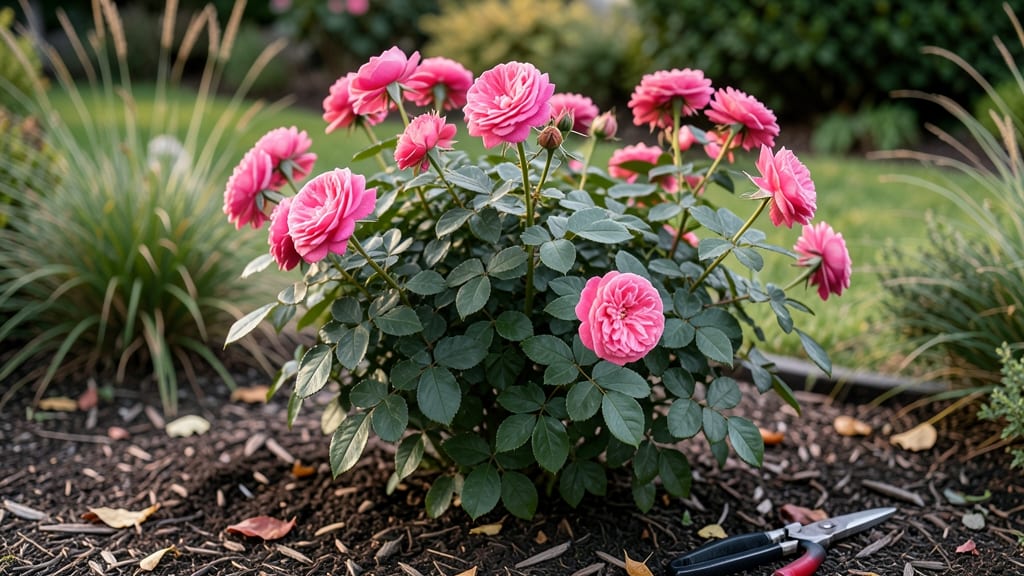
That rose that doesn’t die exists—and it’s not some mythical garden fairy tale. 🌹 Knock Out roses and David Austin English varieties prove it: vibrant blooms for months with minimal fuss.
I’ve had mine thriving for five years with just basic care, and I’ll show you exactly how to replicate that resilience in your own garden.
Most roses fail from overwatering, poor soil, or neglect—but these varieties shrug off mistakes. They resist black spot, mildew, and pests better than hybrid teas, and their strong stems hold up in wind and rain.
The secret? Well-draining soil, 3-4 prunes per year, and one deep watering per week in dry spells. No fancy fertilizers or daily checks required.
Imagine roses blooming from spring through fall, their petals soft as velvet and fragrant enough to fill your yard. With these varieties, you’ll spend less time fighting plants and more time enjoying their year-round color. The payoff? A garden that stays lush while others wither.
Works for city balconies, rural borders, or even large landscapes—just pick the right variety for your space. Let’s get those roses growing strong, once and for all.
📚 In This Guide
- What you need
- Instructions
- Tips and common mistakes
- Wrapping up and next steps
What you need
- ● Disease-resistant rose bush: Choose a hardy variety like Knock Out® or Dr. Huey (1 plant). Look for bare-root or potted options at nurseries.
- ● Well-draining potting mix: 3–5 gallons (avoid garden soil—it compacts and suffocates roots). A blend of peat moss, perlite, and compost works best.
- ● Container: A 5-gallon pot or larger (minimum 12" diameter) with drainage holes. Terracotta or fabric pots are ideal.
- ● Slow-release fertilizer: 1–2 cups of rose-specific granules (e.g., Miracle-Gro Shake ’n Feed).
- ● Organic mulch: 2–3 inches of pine bark fines or shredded leaves to retain moisture.
- ● Pruning shears: Sharp, sterilized shears (or a clean knife in a pinch).
- ● Watering can or hose with a gentle spray nozzle.
- ● Gloves: Heavy-duty gardening gloves to protect from thorns.
- ○ pH test kit: Ensures soil pH is 6.0–6.5 (optional but helpful).
- ○ Epsom salt: 1 tablespoon monthly for magnesium boost (optional).
- ● Rose food spray: Liquid fertilizer (e.g., Fish Emulsion) for quick nutrient hits.
- ● Stakes or trellis: If growing climbing roses (not needed for bush varieties).
- ● Drip irrigation system: For automated watering (great for busy gardeners!).
Step-by-step instructions for growing a rose that blooms year-round
Here’s how to keep your rose thriving with minimal effort—no dead branches, no wilting, just endless blooms.
🌱 Step 1: Pick the Right Rose for Low-Maintenance Blooms
Start with a Knock Out® rose or Dr. Huey® rose—these varieties are bred to resist disease, tolerate neglect, and bloom continuously without pruning. Avoid hybrid teas or floribundas; they demand more care and still need frequent deadheading. Plant in full sun (at least 6 hours daily) for maximum blooms, but they’ll survive with 4 hours if you’re in a shadier spot.
Check your zone’s last frost date and plant 2 weeks after—this gives roots time to establish before winter. I dig a hole twice as wide as the root ball but only as deep—burying too deep suffocates the plant. Amend the soil with compost if your native dirt is heavy clay or sandy loam. A 2-inch layer of mulch around the base (but not touching the stem) locks in moisture and keeps roots cool.
☀️ Step 2: Water Deeply but Infrequently
Water once a week in summer, soaking the soil to a depth of 12 inches—this encourages deep roots. You’ll know it’s enough when water runs out the drainage holes. Overwatering is the #1 killer of roses, so never let the soil stay soggy. In winter, cut back to every 2-3 weeks unless you’re in a drought-prone area.
Here’s the trick: water in the morning. This prevents fungal diseases like black spot, which thrives in damp leaves. I use a soaker hose or drip irrigation to deliver water at the base, avoiding wetting foliage. If your rose’s leaves start yellowing, it’s usually overwatering—not underwatering.
✂️ Step 3: Prune Only When Necessary
Skip the annual February pruning—these roses bloom on new wood, so they don’t need heavy cuts. Instead, prune dead or diseased stems anytime you spot them. Use clean, sharp pruners (sterilize with rubbing alcohol) to make cuts ¼ inch above a leaf node at a 45-degree angle. This prevents water from pooling and rotting the stem.
If your rose gets leggy, trim back 1-2 inches from the tips of the longest stems. You’ll see new growth within 2 weeks—that’s your signal the plant is healthy. Real talk: I’ve left mine unpruned for years, and it still blooms like crazy. The key is removing only the bad stuff.
💧 Step 4: Feed Smartly for Nonstop Blooms
Use a balanced, slow-release fertilizer (like 10-10-10) once in early spring and again in mid-summer. I scatter granules around the drip line (not the stem) and water them in. Too much fertilizer burns roots, so follow package rates—half is often enough. For extra insurance, top-dress with compost in fall to feed next year’s growth.
Watch for pale green leaves—that’s a sign of nitrogen overload. If you see it, flush the soil with water to leach out excess salts. These roses are tough, but even they’ll protest if you go overboard. A light feeding keeps them blooming without stress.
🪴 Step 5: Protect Without Overwhelming
Mulch 3 inches deep in fall with shredded bark or leaves to insulate roots. In winter, cover the base with burlap if temps drop below 10°F—this prevents frost heave (when roots freeze and lift out of the soil). Remove the cover in early spring before new growth starts.
Pests? Knock Out® roses resist most, but watch for aphids on new shoots. Blast them off with a hose or spray with neem oil if they persist. I’ve never used pesticides—these roses are too tough to need them. The only real enemy is over-care.
Tips & tricks for perfect year-round rose care
These simple strategies will help your rose thrive with almost no effort—because the secret to a rose that never quits is treating it like the tough, resilient plant it is.
Sunlight Strategy: While these roses handle 4 hours of sun just fine, I’ve noticed the biggest blooms come from the full 6 hours daily—especially during peak summer months. If your yard has partial shade, position the rose where it gets the most sun possible, even if it’s not full sun. Morning sun is ideal because it dries dew quickly, preventing fungal issues.
Planting Depth Matters: I’ve seen so many people bury roses too deep, thinking it’ll give them extra support. But here’s the thing: the graft union (that bump near the base) needs to stay above soil level. If you bury it, the rose will try to grow from the graft instead of the rootstock, and you’ll lose those beautiful blooms. Dig just as deep as the root ball—no more, no less.
Watering Wisdom: The 12-inch deep soaking in Step 2 isn’t just about quantity—it’s about encouraging roots to grow downward where they’ll find moisture during dry spells. Use your finger to check moisture: if the top 2 inches are dry, it’s time to water. Pro tip: I set a timer for every 7 days in summer to avoid forgetting, but always check first—some weeks are drier than others.
Pruning Confidence: Those ¼-inch cuts above leaf nodes might seem precise, but don’t stress if you’re not perfect. The key is the angle—it helps water run off. I’ve made sloppy cuts before, and the rose still bloomed beautifully. Just focus on removing only what’s truly dead or diseased. The rest? Let it be. These roses are built to handle neglect.
Pro Tips for Rose That Doesn'T Die
- These simple strategies will help your rose thrive with almost no effort—because the secret to a rose that never quits is treating it like the tough, resilient plant it is.
- Sunlight Strategy: While these roses handle 4 hours of sun just fine, I’ve noticed the biggest blooms come from the full 6 hours daily—especially during peak summer months.
- Planting Depth Matters: I’ve seen so many people bury roses too deep, thinking it’ll give them extra support.
Frequently asked questions
Got questions about keeping your rose that doesn’t die thriving? You’re not alone! Here are some of the most common queries—and their answers—to help you grow with confidence.
Can a rose really bloom year-round without dying?
Yes! With the right variety (like Knock Out® roses or Floribunda roses) and minimal care, you can enjoy near-continuous blooms. These roses are bred for disease resistance and resilience, but they still need basic upkeep to stay healthy. Think of them as the "set-it-and-forget-it" stars of the garden!
How often should I water a rose that doesn’t die?
Water deeply 1-2 times per week, soaking the soil 6-8 inches down. Early morning is best to reduce evaporation and fungal risks. Pro tip: Mulch around the base (2-3 inches) to retain moisture and protect roots—this cuts watering needs by up to 30%!
What’s the secret to winter survival for these roses?
Most "no-fuss" roses handle winter fine, but mulch heavily (6+ inches) after the first frost and avoid pruning until spring. In harsh climates, wrap canes with burlap or use a rose cone for extra protection. Bonus: These roses often bloom earlier in spring because they’re less stressed!
Why aren’t my roses blooming as much as I expected?
Check for these common issues:
- Over-fertilizing: Too much nitrogen = lush leaves, fewer blooms. Use a balanced rose fertilizer (10-10-10) sparingly.
- Deadheading delay: Snip spent blooms right after they fade to encourage new buds.
- Pests/disease: Yellow leaves or black spots? Treat with neem oil or fungicide early.
Still struggling? This guide breaks it down step by step!
Are there alternatives to traditional roses for low-maintenance blooms?
If roses aren’t your thing, try:
- Lantana: Drought-tolerant, blooms nonstop in sun.
- Black-eyed Susan: Perennial, thrives in poor soil.
- Daylilies: Nearly indestructible, come in bold colors.
For rose-like drama with less fuss, hydrangeas (especially Endless Summer varieties) or spirea are fantastic picks!
Wrapping up and next steps
Discovering the rose that doesn’t die isn’t just about adding beauty to your space—it’s about embracing effortless elegance and nature’s resilience. With the right care, like choosing the perfect Knock Out® variety or mastering simple pruning techniques, you can enjoy vibrant blooms all year long without the fuss.
Whether you’re a gardening novice or a seasoned green thumb, these tips make it simple to cultivate a thriving, low-maintenance rose garden.
Ready to transform your space? Start by selecting your favorite ever-blooming rose and take the first step today—your garden (and future self) will thank you! 🌹✨