
Blooming
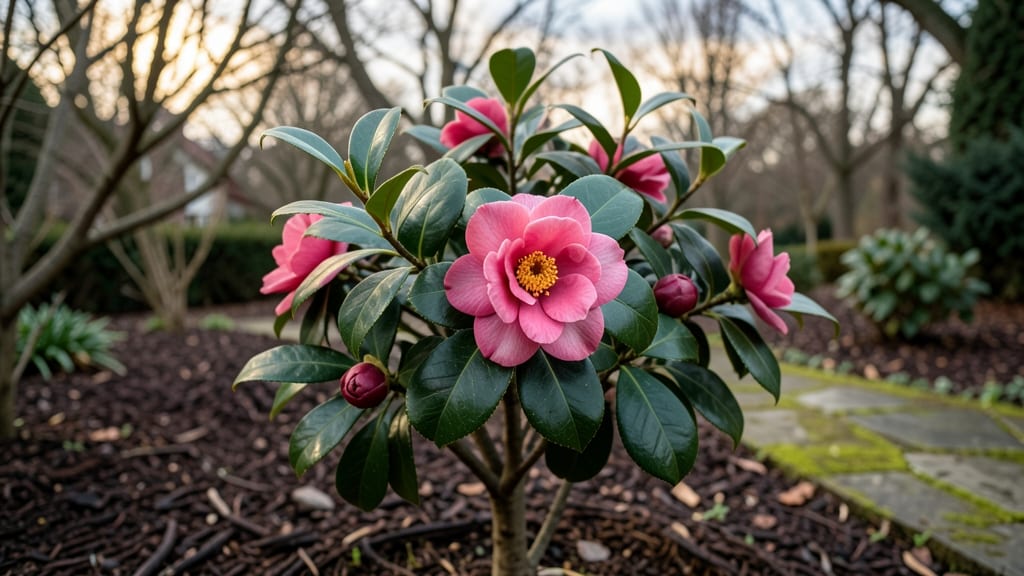
Winter-blooming flowers in Florida bring vibrant color to your garden when most plants rest, proving that cold snaps don’t mean dull landscapes.
Picture this: January sunshine spilling over camellias in full bloom, while snapdragons stand tall in your front yard, unfazed by the occasional 30-degree night. That’s Florida’s winter garden in action—where the right plants turn chilly months into a showstopper.
But not all flowers handle Florida’s mild winters the same way. Coastal areas like Miami can support tropical bloomers like hibiscus, while inland regions near Orlando need frost-resistant picks like pansies or winter jasmine. The key? Choosing varieties that match your microclimate.
In this guide, I’ll share 12 cold-hardy flowers that thrive in Florida’s winter, plus soil and sunlight secrets to keep them blooming longer. No more boring brown gardens—just year-round color, Florida-style.
12 Frost-resistant winter flowers that thrive in Florida’s climate
Florida’s mild winters create the perfect conditions for cold-hardy flowers that bloom when many gardens lie dormant. Unlike tropical plants that struggle in cooler temperatures, these frost-resistant varieties thrive in USDA zones 8-11, delivering vibrant color from December through March.
Whether you're in North Florida’s cooler microclimates or South Florida’s coastal areas, these flowers offer year-round interest with minimal fuss.
Many gardeners overlook winter planting, assuming their gardens must sleep until spring. But winter-blooming flowers like camellias and pansies not only survive Florida’s occasional frosts—they prosper in the cooler, drier conditions. The key is selecting varieties adapted to light freezes (28-32°F) and providing proper soil drainage and sunlight exposure.
Why choose winter bloomers? They fill gaps left by summer annuals, attract pollinators when food is scarce, and often rebloom in spring. Plus, their low-maintenance care makes them ideal for Florida’s busy gardeners. Below, discover 12 standout varieties that will keep your landscape lively all winter long.
| Flower | USDA Zone | Bloom Time | Sun Needs | Care Tips |
|---|---|---|---|---|
| Camellia japonica | 8-10 | Dec-Feb | Partial shade | Acidic soil, prune after blooming |
| Winter Jasmine (Jasminum nudiflorum) | 6-10 | Jan-Mar | Full sun | Drought-tolerant, prune in spring |
| Pansies (Viola × wittrockiana) | 7-11 | Nov-Apr | Partial sun | Deadhead for continuous blooms |
| Snapdragons (Antirrhinum) | 7-10 | Dec-Apr | Full sun | Pinch back for bushier growth |
| Sweet Alyssum (Lobularia maritima) | 7-10 | Jan-Mar | Full sun | Self-cleans, attracts beneficial insects |
| Viola sororia (Wild Pansy) | 3-10 | Dec-Feb | Partial shade | Naturalizes easily in lawns |
| Dianthus (Pink Family) | 5-10 | Jan-Mar | Full sun | Well-draining soil, pinch back |
| Calendula (Pot Marigold) | 2-11 | Dec-Apr | Full sun | Edible petals, self-seeds |
| Ixora (Jamaica Flower) | 9-11 | Year-round (peaks winter) | Full sun | Prune after blooming, acidic soil |
| Salvia (Scarlet Sage) | 7-11 | Jan-Mar | Full sun | Drought-resistant, cut back annually |
| Cyclamen (Hardy Types) | 5-9 | Dec-Feb | Partial shade | Lift tubers after foliage dies |
| Primrose (Primula) | 3-9 | Jan-Mar | Partial shade | Moist, well-draining soil |
Let’s start with camellias, Florida’s winter showstoppers. These evergreen shrubs produce luxurious blooms from December through February, thriving in partial shade and acidic soil. Varieties like 'Yuletide' (red) and 'Spring’s Promise' (pink) are frost-tolerant down to 20°F with proper mulching.
For best results, plant in well-amended soil and avoid overhead watering to prevent bloom rot.
Winter jasmine (Jasminum nudiflorum) is another standout, offering bright yellow blooms that appear before leaves emerge in late winter. This deciduous climber handles full sun and drought conditions, making it ideal for Florida’s coastal gardens. Prune in early spring to encourage dense growth, and watch for butterfly attraction during bloom season.
For colorful ground cover, pansies and violas are unbeatable. These cool-season annuals bloom prolifically from November through April, even in light frosts. Choose heirloom varieties like 'Blue Boy' or 'Rainbow Series' for long stems and vibrant hues.
Deadhead spent blooms weekly to extend flowering and prevent seed formation.
Snapdragons add vertical interest with their spiky blooms in shades of pink, purple, and white. These biennials thrive in full sun and well
How to extend winter blooms: soil, sunlight, and care tips for Florida gardens
Florida’s winter months offer a unique opportunity to enjoy vibrant blooms when many gardens lie dormant. The key to extending winter flowers lies in understanding your local microclimate and adapting care routines to Florida’s sandy, well-draining soils.
Coastal areas stay milder, while inland zones may experience rare light frosts—both require tailored strategies.
Start with soil amendments to improve fertility and moisture retention. Florida’s native soils often lack organic matter, so mix in 2-3 inches of compost or aged manure before planting. For container gardens, use a well-draining potting mix with added perlite to prevent waterlogging during cooler, wetter winter days.
⚠️ WARNING: Florida’s Winter Surprises
Unexpected Frost Risks
Even in Florida, temperatures can drop below 32°F in North and Central regions. Coastal areas rarely face frost, but inland gardens in USDA Zones 8b-9a may experience light freezes (28-32°F). Always monitor local weather alerts and protect tender blooms like pansies and snapdragons with frost cloths or mulch.
Pro Tip: Group delicate plants near shrubs or walls to create a microclimate shield against cold winds.
Sunlight needs shift in winter, so position plants to maximize 6-8 hours of winter sun. Inland gardens benefit from south-facing exposures, while coastal areas can handle partial shade near buildings.
Prune back overgrown foliage in late fall to improve airflow and reduce frost risk for camellias and gardenia.
Adjust your watering schedule to prevent root rot in Florida’s cooler, wetter winters. Water deeply 2-3 times per week in the morning to allow foliage to dry before evening.
Avoid overhead watering, which can promote fungal diseases like powdery mildew on pansies and violas. Use drip irrigation or soaker hoses for targeted moisture.
Mulch heavily around winter bloomers with 3-4 inches of organic mulch (straw, pine needles, or shredded leaves) to insulate roots and retain moisture. This is especially critical for bulb plants like paperwhites and ground covers such as creeping phlox. Replenish mulch after heavy rains to maintain protection.
Fertilize lightly in early winter to support new growth without encouraging tender shoots vulnerable to frost. Use a balanced, slow-release fertilizer (10-10-10) or compost tea. Avoid high-nitrogen feeds, which can lead to leggy, weak stems in plants like winter jasmine and heather. 🌱