
Shrubs
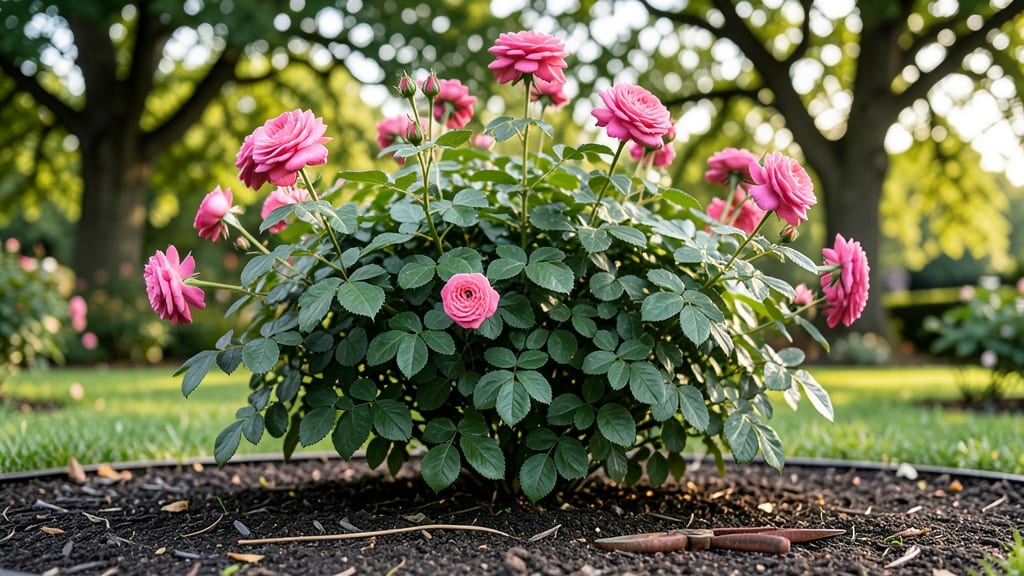
A shrub rose is a hardy, multi-stemmed rose bush known for its disease resistance, repeat blooming, and compact growth habit, typically reaching 3-6 feet tall. Unlike climbers or hybrid teas, it thrives in varied climates and requires minimal pruning while offering abundant, fragrant flowers in clusters.
A shrub rose stands out because of its versatility and low-maintenance nature.
These roses grow in multiple stems from the base, creating a bushy appearance that makes them perfect for hedges, borders, or even as standalone garden features. 🌿 Their ability to bloom repeatedly throughout the season—often from spring until frost—means you'll enjoy vibrant flowers for months, not just a single burst.
Plus, their compact size (usually between 3 and 6 feet) makes them ideal for smaller spaces where taller climbers or delicate hybrid teas wouldn't thrive.
What really sets shrub roses apart is their resilience. They handle a wide range of climates, from hot summers to cold winters, and their sturdy stems resist wind damage better than other rose types.
This makes them a favorite for gardeners who want beauty without the fuss of constant pruning or chemical treatments. Whether you're a beginner or a seasoned gardener, shrub roses deliver stunning results with minimal effort.
💡 In This Article
- How Shrub Roses Differ From Climbers and Hybrid Teas
- Best Shrub Rose Varieties for Gardens and Landscaping
How shrub roses differ from climbers and hybrid teas
Shrub roses grow in a multi-stemmed bush form, typically producing 3-6 stems from the base, while climbers have a single, long, flexible cane that can reach 10-20 feet or more when trained.
This fundamental difference in structure means shrub roses create a dense, rounded shape, ideal for hedges or borders, whereas climbers need vertical support like trellises or arbors. 🌿 The branching pattern also varies—shrub roses develop lateral branches that spread outward, creating a fuller appearance, while hybrid teas (another popular type) grow on a single main stem with fewer side branches.
When it comes to blooms, shrub roses produce clustered flowers in groups of 3-5, often with 2-4 inches in diameter, while hybrid teas showcase single, large blooms (typically 4-6 inches) on individual stems.
This means shrub roses offer more visual impact per plant, with continuous color throughout the season, whereas hybrid teas provide dramatic, show-stopping flowers but usually in one flush per year.
The fragrance also differs—shrub roses often have a lighter, more natural scent, while hybrid teas are bred for intense, sweet fragrances.
The hardiness advantage of shrub roses becomes clear when comparing their USDA hardiness zones. Most shrub varieties thrive in zones 4-9, meaning they withstand temperatures as low as -30°F in winter, while many hybrid teas struggle below zone 6.
This resilience translates to less pruning—shrub roses can handle moderate pruning annually (removing dead wood and shaping), whereas hybrid teas require heavy seasonal pruning to maintain their single-stem form.
Disease resistance is another key factor: shrub roses have thicker, waxier leaves that repel pests and fungi better than the delicate foliage of hybrid teas.
Consider the 'Knock Out' series as a prime example—these shrub roses bloom continuously from spring to frost with minimal care, while a hybrid tea like 'Double Delight' may produce stunning blooms for only 6-8 weeks per year. The trade-off?
Hybrid teas offer more dramatic, high-center blooms, but at the cost of higher maintenance and less durability in harsh climates. Shrub roses, on the other hand, deliver long-lasting color with less effort, making them the perfect choice for busy gardeners or challenging landscapes.
For those concerned about space, shrub roses win again. A 6-foot-tall climber needs 10+ feet of vertical support, while a 4-foot shrub rose fits neatly in a 3-foot-wide border. This compact growth also means they’re ideal for container gardening—something hybrid teas and most climbers can’t handle.
The root system plays a role too: shrub roses develop a shallow but wide root network, which helps them establish quickly in poor soil conditions where other roses might struggle.
Here’s a quick comparison to illustrate the differences:
- Growth Habit: Shrub roses = multi-stemmed bush (3-6 ft) | Climbers = single cane (10-20+ ft) | Hybrid teas = single stem (3-5 ft)
- Bloom Type: Shrub roses = clustered (3-5 flowers) | Climbers = single or small clusters | Hybrid teas = single, large bloom
- Hardiness: Shrub roses = zones 4-9 (-30°F) | Hybrid teas = zones 6-9 (-10°F)
- Maintenance: Shrub roses = minimal pruning | Hybrid teas = heavy pruning
In short, shrub roses are the ultimate low-maintenance, high-reward option for gardeners who want beauty without the fuss. Their adaptability, disease resistance, and continuous blooms make them a standout choice for almost any garden setting. 🌸