
Pruning
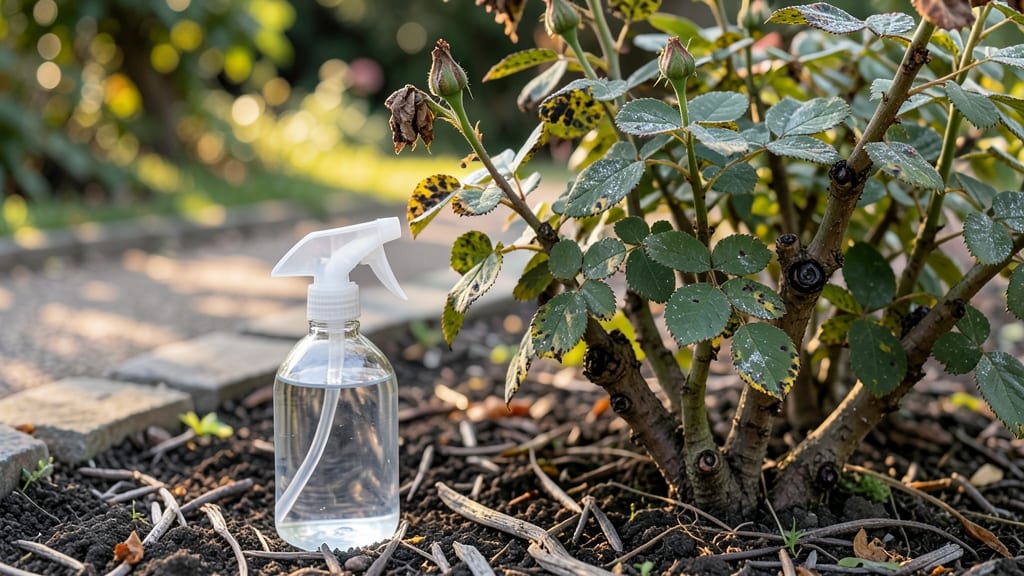
What’s wrong with my rose bush when it’s throwing up yellow leaves, black spots, or wilted stems—and how can you fix it? 🌹 The good news? Most problems have quick fixes if you catch them early, and I’ll walk you through diagnosing them in minutes, not hours.
No guesswork, no wasted time on wrong treatments.
Black spots on leaves? That’s likely black spot fungus, thriving in damp, shady conditions. Yellowing foliage often means overwatering or nutrient deficiencies, while curled leaves scream pests like aphids or spider mites.
The key is matching symptoms to causes—once you know what’s wrong, the solution is straightforward (and I’ll give you the exact steps).
You’ll prune out diseased growth, apply the right fungicide or pesticide, and adjust watering or soil—all in under 30 minutes. The goal isn’t just to fix the problem but to stop it from coming back next season. Think of this as a fast reset for your roses.
Whether it’s fungal diseases, pests, or environmental stress, we’ll tackle it method by method. By the end, your bush will be on the road to recovery—and you’ll know exactly what to watch for next time. Let’s get those roses back to their glorious, thorny best.
Root Causes of Rose Bush Struggles
When your rose bush starts looking sad—droopy leaves, sparse blooms, or even dead stems—it’s usually sending you a clear SOS. 🌱 But what’s really triggering these problems? Let’s dig into the science behind the most common culprits and why they mess with your roses.
Roses are tough, but they’re not built for extreme swings. Too much heat, cold snaps, or sudden temperature drops can shock your plant, leading to:
- Leaf scorch (brown, crispy edges) from heat stress or windburn.
- Bud blast—when buds form but then freeze or wilt before opening.
- Stunted growth if roots can’t absorb water efficiently in hot, dry soil.
Why it happens: Roses thrive in USDA zones 5–10, with ideal daytime temps between 60–85°F (15–29°C). Below 32°F (0°C), cell membranes in stems and buds can rupture, killing tissue. Heat above 90°F (32°C) for prolonged periods stresses the plant, causing ethylene gas buildup—a plant hormone that triggers premature leaf drop.
Actionable fix: Mulch with 3–4 inches of organic matter (like wood chips or straw) to regulate soil temp. In winter, use burlap wraps or frost cloths to shield buds. For heatwaves, provide afternoon shade with a sheer cloth.
Water is a rose’s lifeline—but get it wrong, and you’re either drowning the roots or starving them. Here’s how:
- Overwatering → Root rot (mushy, black stems; foul smell). Phytophthora fungi thrive in waterlogged soil, clogging roots.
- Underwatering → Wilting, yellow leaves. Roses need 1–1.5 inches of water per week (deep soak, not light sprinkles).
- Inconsistent watering → Blossom end rot (black, mushy spots on buds) due to calcium uptake issues.
Why it happens: Roses have deep taproots that need consistent moisture to reach nutrients. When soil dries out, roots shrink and can’t absorb water efficiently. Overwatering, meanwhile, cuts off oxygen, suffocating roots and inviting anaerobic bacteria that produce toxins.
Actionable fix:
- 🔥 Water deeply 2–3 times per week (early morning) instead of daily shallow watering.
- 🌡️ Check soil moisture 2 inches down—if dry, it’s time to water.
- ✨ Improve drainage with perlite or sand in heavy clay soil.
Roses are a magnet for pathogens like powdery mildew, black spot, and bacterial leaf spot. These aren’t just ugly—they choke your plant’s ability to photosynthesize
- Powdery mildew (white, dusty coating) → Caused by Erysiphe fungi in humid, shady conditions.
- Black spot (dark spots with yellow halos) → Diplocarpon rosae thrives in wet foliage.
- Bacterial infections (oozing cankers, wilting) → Pseudomonas or Xanthomonas spread via contaminated tools or rain.
Why it happens: Fungi and bacteria spore in moist environments. Black spot, for example, needs leaf wetness for 9+ hours to germinate. Poor air circulation (like overcrowded bushes) traps humidity, creating the perfect petri dish.
Actionable fix:
- 💡 Prevent with 3–4 feet of spacing between bushes for airflow.
- 🌡️ Water at the base, not overhead, and avoid late-day watering.
- 🔪 Prune infected leaves immediately (sterilize tools with 70% rubbing alcohol).
- ✨ Use neem oil or copper fungicide preventatively every 2–3 weeks.
Roses are heavy feeders, but too little or too much of certain nutrients can cripple them. Here’s what’s missing (or overdoing it):
| Symptom | Likely Cause | Why It Happens |
|---|---|---|
| Yellow leaves (new growth) | Nitrogen deficiency | Nitrogen is key for chlorophyll. Without it, leaves can’t produce energy. |
| Purple stems/leaves | Phosphorus deficiency | Phosphorus helps root and flower development. Lack of it stunts growth. |
| Brown leaf edges | Potassium deficiency | Potassium regulates water and disease resistance. Low levels cause osmotic stress. |
| Crispy, curled leaves | Magnesium deficiency | Magnesium is central to chlorophyll. Without it, leaves can’t process sunlight. |
| Wilting, stunted growth | Over-fertilization (salt buildup) | Too much synthetic fertilizer raises soil salinity, blocking water uptake. |
Actionable fix:
- 📊 Test soil (pH 6.0–6.5 is ideal for roses). Adjust with lime (to raise pH) or sulfur (to lower it).
- 💪 Use a balanced rose fertilizer (e.g., 10-10-10) every 4–6 weeks during growing season.
- 🥗 Avoid compost tea if it’s too strong—it can burn roots.
While fungi and bacteria get the spotlight, pests are often the real villains. Here’s who’s picking on your roses:
- Japanese beetles → Skeletons leaves, chew flowers.
Quick Fixes for Rose Bush
Reviving your struggling rose bush starts with identifying the root cause—and then taking action! Below, we’ve mapped out practical, step-by-step solutions for the most common issues, from wilting leaves to pest infestations. Each fix includes prevention tips to keep your roses thriving long-term.
Fix:
- Check the soil moisture 💧—stick your finger 2 inches deep. If it’s soggy, your roses are drowning.
- Adjust watering habits: Water deeply once or twice a week (depending on climate) rather than daily shallow sprinkles. Early morning is best to prevent fungal growth.
- Improve drainage 🏗️: Amend heavy clay soil with compost or sand to prevent waterlogging. If potted, ensure drainage holes are clear.
- Fertilize smartly 🌿: Use a balanced rose fertilizer (10-10-10 or 5-10-5) in early spring and mid-summer. For yellowing from nitrogen deficiency, switch to a higher-nitrogen formula temporarily.
Prevention Tips: ✔ Mulch (2-3 inches of organic mulch) to retain moisture without suffocating roots. ✔ Avoid wetting leaves when watering to reduce fungal risks. ✔ Test soil pH—roses prefer 6.0–6.5. Adjust with lime (to raise pH) or sulfur (to lower it).
Fix:
- Spot and squash 🕷️: For aphids, blast them off with a strong stream of water or crush them by hand. Repeat every few days.
- Neem oil spray 🌿: Mix 1 tbsp neem oil + 1 tsp mild soap + 1 quart water. Spray early morning or evening (avoid direct sun). Reapply every 7–10 days.
- Introduce beneficial insects 🐞: Ladybugs and lacewings love munching on pests. Buy them online or attract them with dill or fennel plants nearby.
- For Japanese beetles 🪲: Handpick them into soapy water. Use milky spore powder (a natural bacteria) to reduce grubs in the soil long-term.
Prevention Tips: ✔ Prune regularly to remove infested branches and improve airflow. ✔ Use reflective mulch (like aluminum foil) to deter beetles. ✔ Plant companion flowers (e.g., marigolds, garlic, or chives) to repel pests naturally.
Fix:
- Remove infected leaves ❌: Snip off black-spotted leaves with clean pruners and dispose of them (don’t compost!). Sterilize tools with rubbing alcohol.
- Fungicide treatment 🛡️: Spray with copper fungicide or a baking soda mix (1 tsp baking soda + 1 quart water + a drop of soap). Apply every 7–10 days until new growth appears.
- Improve airflow 🌬️: Thin out crowded canes and avoid overhead watering. Space plants 3–4 feet apart for better circulation.
Prevention Tips: ✔ Water at the base (not leaves) to keep foliage dry. ✔ Prune for sunlight—roses need 6+ hours of sun daily to dry out quickly. ✔ Avoid late-season fertilizing, which encourages tender new growth susceptible to fungus.
Fix:
- Test soil health 📊: Grab a soil test kit (or send a sample to a local extension office) to check for nutrient deficiencies (especially nitrogen or phosphorus).
- Feed the roots 💪:
- Spring: Use a high-phosphorus fertilizer (e.g., 5-10-5) to encourage blooms.
- Fall: Add compost or well-rotted manure to rebuild soil.
- Check for root rot 🚨: Gently dig around the base. If roots are black/mushy, your rose is drowning. Trim affected roots and repot or amend soil with perlite.
Prevention Tips: ✔ Plant roses in well-draining soil—avoid low spots where water pools. ✔ Mulch annually with aged compost to feed roots slowly. ✔ Avoid compacting soil around the base (keep a 2-inch gap from the stem).
Fix:
- Prune dead wood ⏰: In early spring, cut back any blackened, brittle canes to healthy green growth. Sterilize pruners between cuts.
- Protect new growth 🌡️: If late frosts threaten, cover tender canes with frost cloth or burlap.
- Fertilize lightly 🌱: Wait until after the last frost to feed—new growth is vulnerable to cold snaps.
Prevention Tips: ✔ Mulch heavily (4–6 inches) in late fall with straw or leaves. ✔ Choose cold-hardy varieties (e.g., ‘Knock Out’ roses) if you live in a harsh climate. ✔ Avoid pruning in fall—it stimulates growth that can’t survive winter.
- For all issues: Prune strategically—remove dead, diseased, or crossing branches in late winter/early spring to boost airflow and energy.
- Monitor regularly 👀: Check undersides of leaves and new buds weekly for early signs of trouble.
- Rotate fertilizers 🔄: Alternate between organic (compost/manure) and synthetic to avoid nutrient lockout.
Remember: Roses are resilient! With the right care, your bush will bounce back—and next season, it’ll be blooming like a pro. 🌹✨
Frequently asked questions
Why are my rose bush leaves turning yellow?
Yellow leaves usually mean overwatering or nutrient deficiency. Check soil moisture—if it's soggy, you're drowning roots. For yellowing, test soil pH (ideal: 6.0-6.5) and fertilize with a balanced rose food (10-10-10). Older yellow leaves are normal, but new yellow growth signals nitrogen deficiency.
What should I do about black spots on rose leaves?
Those are likely black spot fungus, thriving in wet conditions. Prune infected leaves immediately (don't compost them!) and spray with copper fungicide or baking soda mix (1 tsp baking soda + 1 quart water). Improve airflow by spacing bushes 3-4 feet apart and water at the base, not overhead.
How do I know if my rose bush has pests?
Look for tiny insects on leaf undersides (aphids), chewed leaves (Japanese beetles), or sticky residue (scale). For aphids, blast them off with water or use neem oil spray. Japanese beetles can be handpicked into soapy water. Check both sides of leaves and new buds regularly.
Can I prune my rose bush in winter?
Wait until late winter/early spring (after last frost) to prune. Winter pruning stimulates new growth that can't survive cold snaps. If you must prune in winter, focus only on removing dead/diseased wood. Sterilize tools with rubbing alcohol between cuts to prevent spreading disease.
Why won't my rose bush bloom?
Poor blooming often means insufficient sunlight (6+ hours daily), over-fertilizing with nitrogen (too much leaf, not flowers), or not enough phosphorus. Switch to a high-phosphorus fertilizer (5-10-5) in spring, ensure full sun, and deadhead spent blooms to encourage new flowers.