
Blooming
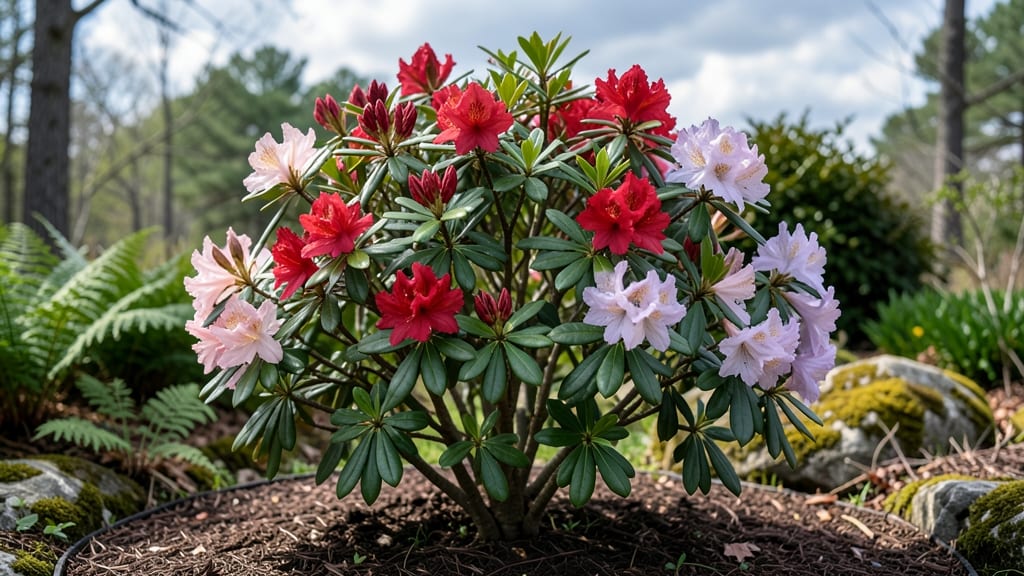
Michigan azaleas bloom between late April and early June, with timing varying by variety and frost patterns—early bloomers like 'George L. Taber' open in late April, while late varieties such as 'Girard's Pink Perfection' peak in early June. Warmer winters may advance blooms, while late frosts can delay them by weeks.
Michigan's azalea bloom season is a beautiful but fleeting display, typically lasting just 2-3 weeks per variety. 🌸 The state's diverse climate—from Detroit's urban warmth to Traverse City's cooler lakeshore—creates noticeable regional differences. For example, southern Michigan gardens often see blooms 1-2 weeks earlier than northern areas.
Gardeners can influence timing through careful pruning (right after blooms fade) and proper soil acidity (4.5-6.0 pH), which helps azaleas resist late spring frosts that might nip buds prematurely.
What makes Michigan azaleas particularly special is their adaptation to the state's unpredictable weather. While most varieties follow the April-June pattern, some hardier types like Rhododendron canadense may bloom as early as mid-April in sheltered microclimates.
The key to maximizing your azalea season is choosing varieties that match your specific USDA zone (5-6b) and providing consistent moisture during the growing season.
💡 In This Article
- Michigan Azalea Bloom Timing by Variety and Climate Zones
- How to Extend Azalea Blooms in Michigan Gardens
Michigan azalea bloom timing by variety and climate zones
Michigan's azalea bloom season unfolds like a carefully choreographed dance, with each variety making its entrance at different times based on its genetic programming and environmental cues.
The state's most popular early bloomers, such as George L. Taber (a Rhododendron canadense hybrid), typically burst into color around late April in southern Michigan, while northern gardens may see them emerge 1-2 weeks later due to cooler temperatures.
These early varieties often produce 1-inch-wide flowers in shades of pink and white, creating a stunning visual impact that lasts 2-3 weeks if frost doesn't intervene.
The timing mechanism involves a complex interplay of temperature and daylight hours. Azaleas require chilling hours (typically 500-1,000 hours below 45°F) during winter to break dormancy, which explains why warmer winters can advance bloom dates by 1-3 weeks.
For example, Detroit's USDA Zone 6a often sees blooms 7-10 days earlier than Traverse City's Zone 5b, where lake-effect cooling delays the process.
Late bloomers like Girard's Pink Perfection (a Rhododendron prinophyllum cultivar) don't typically appear until early June, offering a second wave of color when early varieties have faded.
Climate zones create dramatic regional differences in bloom timing. In Zone 5b (northern Michigan), azaleas may wait until mid-May to bloom, while Zone 6a (southern Michigan) often sees flowers by late April.
The average last frost date—May 15 in Detroit versus May 28 in Traverse City—plays a crucial role.
Gardeners in cooler zones should select hardier varieties like Rhododendron canadense, which can tolerate -30°F temperatures, while southern gardeners might opt for more delicate Rhododendron indicum hybrids that prefer milder winters.
What most gardeners don't realize is how microclimates within yards can create localized bloom variations. A south-facing wall or a well-drained hillside can provide 5-10°F warmer conditions than the surrounding area, potentially triggering blooms 1-2 weeks earlier.
This is why some gardeners in Zone 5b report seeing early blooms in sheltered spots while their main garden remains dormant. The key is selecting varieties that match your specific microclimate conditions to maximize bloom reliability.
For those tracking bloom patterns, consider these five popular Michigan varieties and their typical bloom windows:
- George L. Taber: Late April to mid-May (pink flowers, 1-inch diameter)
- Girard's Pink Perfection: Early to mid-June (deep pink, 2-inch blooms)
- Knap Hill Pink: Early May (light pink, 1.5-inch flowers)
- Rhododendron canadense: Mid-April to early May (white, 1-inch clusters)
- Rhododendron prinophyllum: Late May to early June (pale pink, 1.5-inch flowers)
The science behind these timings involves a process called vernalization, where cold temperatures trigger hormonal changes that prepare the plant for flowering. This is why azaleas planted in warmer microclimates may bloom earlier than those in exposed locations.
Understanding these patterns helps gardeners make informed variety selections and implement protective measures against late frosts that can damage delicate buds.