
Plants
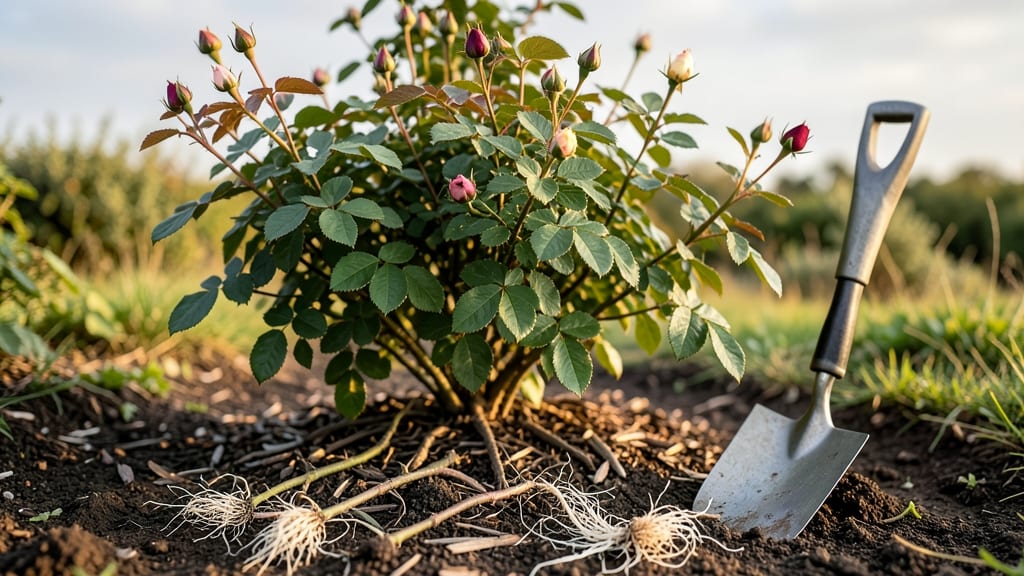
Planting roses in Utah requires timing them perfectly between frost and heat to give your 🌹 the best shot at thriving.
Utah’s climate is a double-edged sword: too early, and a late frost will wipe out your tender new plants; too late, and summer’s intensity stresses young roots before they establish.
The key is knowing your zone—whether you’re in Salt Lake City’s 6a or Southern Utah’s 7a—and adjusting for microclimates that can shift frost dates by weeks.
In this guide, I’ll break down the exact planting windows for Utah’s zones, from early spring’s March-April rush to fall’s September-October opportunity. You’ll also learn how to prep your soil for Utah’s alkaline conditions and avoid the mistakes that turn promising starts into sad, wilted shrubs.
By the end, you’ll know not just when to plant, but how to set your roses up for perfect blooms—no guesswork, no wasted effort.
Utah’s best planting months for roses by climate Zone
Utah’s diverse climate—from high desert valleys to mountain foothills—means one planting time doesn’t fit all. In USDA zones 4-9, your success hinges on knowing when to plant cold-hardy varieties like Knock Out® roses versus heat-sensitive climbers such as Blaze® roses.
Let’s break down the exact windows for Utah’s three key regions: Salt Lake City (Zone 6a), St. George (Zone 7b), and Park City (Zone 5a).
For Salt Lake City gardeners, aim for early spring (March-April) or fall (September-October)—just 4-6 weeks before the average last frost (mid-April). St. George’s warmer climate allows late winter planting (February-March) or fall (October-November), while Park City’s cooler elevation demands late April-May for spring or August-September for fall.
Here’s your climate-zone breakdown for planting roses in Utah, including frost date adjustments and variety recommendations to maximize blooms:
| Region | USDA Zone | Best Planting Months | Last Frost Date | Recommended Varieties |
|---|---|---|---|---|
| Salt Lake City | 6a (-10°F) | March-April, September-October | Mid-April | Knock Out®, Dr. Huey®, Earth Song® |
| St. George | 7b (5°F) | February-March, October-November | Mid-February | Blaze®, Double Knock Out®, Star® |
| Park City | 5a (-20°F) | Late April-May, August-September | Late May | Double Delight®, Belinda’s Dream®, The Fairy® |
🌹 Pro Tip: Always plant bare-root roses 4-6 weeks before your last frost for best root establishment.
In Salt Lake City (Zone 6a), March-April is ideal for spring planting because soil warms enough to encourage root growth before summer heat arrives. Fall planting (September-October) gives roots time to establish before winter dormancy.
Choose disease-resistant varieties like Knock Out® roses, which thrive in Utah’s alkaline soils.
For St. George’s Zone 7b, February-March works because mild winters reduce frost risk. Fall planting (October-November) is also safe since first frosts arrive late. Opt for heat-tolerant climbers like Blaze® roses, which handle 100°F+ days better than most varieties.
Park City’s Zone 5a demands patience—late April-May is critical to avoid late spring frosts that can damage tender new growth. Fall planting (August-September) allows roots to harden off before sub-zero winter temps. Dwarf varieties like Double Delight® are perfect for mountain gardens with shorter growing seasons.
If you’re planting in containers, adjust timing by 2-3 weeks earlier—potted roses dry out faster and need consistent moisture during Utah’s hot, dry summers. Always water deeply after planting to reduce transplant shock, and mulch heavily to retain moisture.
For container roses, March-April (spring) or September (fall) are best. St. George’s heat means morning watering is a must—afternoon watering can scorch leaves. Use self-watering pots if you travel often during summer months.
Remember: Utah’s microclimates can shift frost dates by weeks. Check your local USDA zone map and monitor weather forecasts for late spring frosts, especially in higher elevations. With the right timing, your roses will bloom beautifully from June through September.
🌿
How to adjust planting for Utah’s microclimates and soil conditions
Utah’s diverse microclimates—from the high desert’s dry heat to mountain valley chill—demand tailored rose care. The alkaline soil (pH 7.5-8.5) and variable frost dates can stifle growth if ignored.
Native Utah roses like the Wood’s rose (Rosa woodsii) adapt better than hybrid varieties, but even they need smart adjustments to thrive.
Start by testing your soil’s pH—Utah’s naturally alkaline conditions slow nutrient uptake. For most roses, aim for 6.0-7.0 pH by amending with sulfur or peat moss.
In desert zones (e.g., St. George), mulch heavily with wood chips to retain moisture, while mountain areas (e.g., Park City) benefit from gravel mulch to prevent waterlogging.
- 1. Desert Zones (USDA 7-8): Plant bare-root roses in late winter (Feb-March) to beat summer heat. Use drip irrigation and shade cloth for new plants.
- 2. Mountain Valleys (USDA 5-6): Wait until after last frost (mid-April) or opt for fall planting (Sept-Oct) to avoid late spring frosts.
- 3. Alkaline Soil Fix: Mix 1 part sulfur per 10 parts soil for pH adjustment. Re-test in 2 months.
- 4. Watering Schedule:
- Desert: Deep water every 3-5 days (1 gallon per plant).
- Mountains: Water weekly (morning only) to prevent fungal diseases.
- 5. Frost Protection: Use row covers for tender varieties until temps stay above 40°F. Choose native roses for hardiness.
For watering schedules, desert roses need less frequent but deeper watering to encourage deep root growth, while mountain roses benefit from consistent moisture to combat cooler, wetter springs.
Group roses by water needs—place drought-tolerant varieties (e.g., Knock Out roses) in sunnier, drier spots and moisture-loving types (e.g., David Austin roses) near irrigation sources.
Protect young roses from late spring frosts (common in Utah’s USDA Zone 6 areas) by planting windbreaks or using frost cloth. In Zone 7+ deserts, prioritize afternoon shade to prevent heat stress.
Native Utah roses like Prairie Rose (Rosa arkansana) require minimal intervention—they’re drought-resistant and pest-free once established.
Finally, mulch annually with 2-3 inches of organic matter (compost or straw) to regulate soil temperature and retain moisture. In high-elevation areas, add extra mulch in fall to insulate roots from freezing. With these adjustments, your Utah roses will bloom vigorously despite the state’s challenges. 🌹