
Pruning
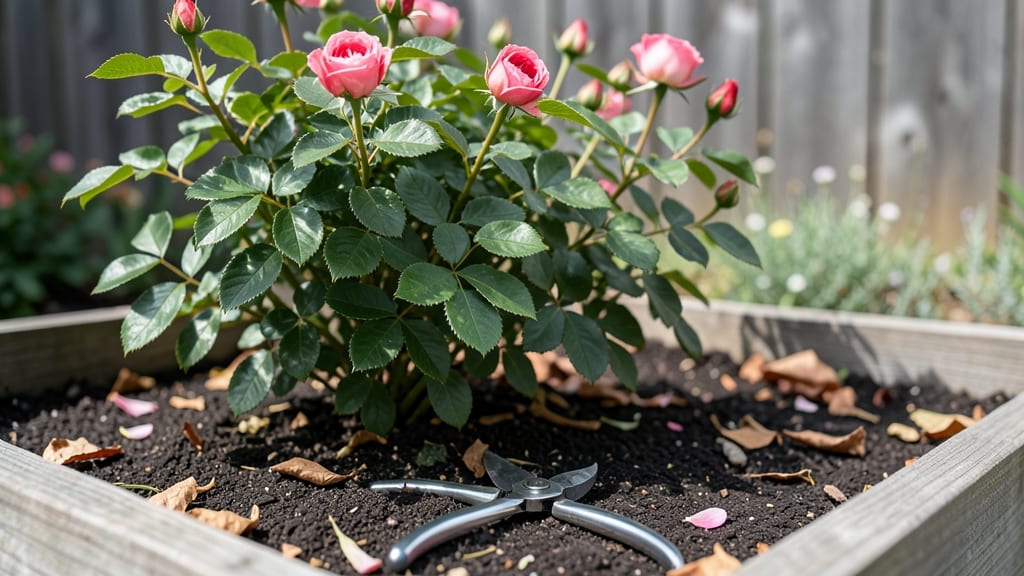
Pruning roses in Central Texas at the right time means the difference between vibrant blooms and wilting plants in the heat.
You’ve probably seen roses struggle after a late prune—leaves crisping, buds dropping—because the wrong timing turns your garden into a heat-stressed mess. But here’s the secret: Central Texas’s mild winters and brutal summers demand a precise window that most gardeners miss.
In this guide, I’ll walk you through the exact months to prune your 🌹, how to read your rose’s signals (like bud swell or leaf color), and why cutting too early or late can leave your plants gasping for survival.
By the end, you’ll know not just when to prune, but how to do it so your roses thrive—even when the thermometer hits 100°F.
Best pruning times for Central Texas roses: heat-resistant schedule
Pruning roses in Central Texas demands precision because our hot summers and mild winters create a unique challenge. Unlike cooler climates, pruning too early can stress roses before they’ve hardened off, while late pruning risks inviting disease and pests during peak heat.
The goal? Trim when roses are dormant but before new growth begins—typically between late January and early March.
Central Texas’s USDA Zone 8a-8b means our last frost usually hits around February 15, but roses can start waking up as early as late January. Waiting until after the danger of frost but before buds swell ensures your roses enter the growing season strong.
This window—often called the "heat-resistant trimming window"—is your best bet for avoiding heat stress and fungal infections.
Here’s the key: Late winter pruning (February) is ideal for most Central Texas roses, but early spring pruning (March) works if you missed the window. The difference?
Late winter pruning gives roses more time to recover before summer’s brutal heat, while March pruning risks exposing fresh cuts to 100°F+ temperatures, which can scorch new growth.
🌹
For Central Texas gardeners, the late winter window (February) is your safest bet. This timing aligns with roses’ natural dormancy and gives them months to recover before summer’s 100°F+ heat waves.
Look for tight buds that haven’t swollen yet—this is your cue. If you prune too early (January), you risk encouraging early growth that can’t survive later frosts.
Why does timing matter so much? Central Texas’s high humidity and intense sun create the perfect storm for black spot and powdery mildew if you expose fresh cuts to heat.
Pruning in February ensures cuts have time to callous over before summer stress sets in. Think of it as giving your roses a head start on the growing season.
If you miss February, don’t panic—early March is still acceptable, but prioritize light pruning to minimize stress. Avoid heavy cuts in March, as the rising temperatures can overwhelm newly exposed wood.
Focus on removing dead or diseased wood and shaping the plant gently. This approach keeps roses healthy while avoiding the shock of major trims in heat.
Pro tip: Use a sharp, sterilized pruner to make clean cuts at a 45-degree angle, about 1/4 inch above a bud. This reduces the risk of infection and encourages stronger regrowth.
In Central Texas, where drought stress is a real concern, proper pruning also improves air circulation, helping roses retain moisture during summer.
🪴
One common mistake in Central Texas is pruning too late—waiting until April or May to tidy up roses. By then, the heat is already intense, and fresh cuts can scorch or attract pests. Another pitfall? Pruning hybrid teas and climbing roses differently.
Hybrid teas bloom on new wood, so they need heavier pruning in late winter, while climbing roses bloom on old wood and should only be lightly shaped to avoid sacrificing next year’s blooms.
To stay on track, mark your calendar for February 1–15 as your primary pruning window. If you’re unsure whether your roses are ready, check for swollen buds—if they’re still tight, it’s safe to prune.
If buds are green and peeking, wait a week or two. This simple check can save your roses from heat stress and disease.
Finally, remember that Central Texas’s microclimates
Step-by-step pruning guide for Texas heat: tools, techniques, and mistakes to avoid
Pruning roses in Central Texas’s 100°F+ summers requires precision to avoid stressing plants. The key is cutting for airflow and disease prevention while preserving energy for blooms. Start by gathering your tools—sharp bypass pruners, sterilized shears, and disinfectant—to prevent bacterial spread between cuts.
First, remove any dead or diseased wood by cutting back to healthy green tissue. Look for cankers or blackened stems, which signal infection. Next, shape your rose by thinning out crowded canes to improve sunlight penetration.
Aim for an open center to reduce humidity buildup, which invites fungal issues like black spot.
For hybrid teas, prune to 18-24 inches tall with 3-5 strong buds per stem. Climbing roses need structural cuts to support their growth, while shrub roses benefit from lighter pruning to encourage bushiness. Always cut at a 45-degree angle, just above an outward-facing bud.
⚠️ Critical Pruning Window for Central Texas
Never prune when temps exceed 85°F. The ideal window is November–February, before buds swell. Pruning in late winter (Feb–March) risks heat stress, while summer pruning invites pests and disease. Watch for bud break—once you see green swelling, it’s too late!
Sterilize your tools between cuts using 70% isopropyl alcohol or a bleach solution (1 part bleach to 9 parts water). This stops the spread of rose rosette virus and other pathogens. After pruning, dispose of debris properly—burn or bag infected material to prevent garden contamination.
Watch for over-pruning signs: sparse blooms, weak canes, or yellowing leaves. If you’ve cut more than 1/3 of the plant’s foliage, you’ve gone too far. Climbers are especially sensitive—never remove more than 20% of their structure in one season. Instead, spread cuts over 2-3 years for gradual shaping.
Finish by applying a balanced fertilizer (10-10-10) and mulching with 2-3 inches of organic matter to retain moisture. Water deeply in the morning to reduce evaporation. With proper pruning, your roses will bounce back stronger, ready to thrive through Texas’s brutal summers.