
Blooming
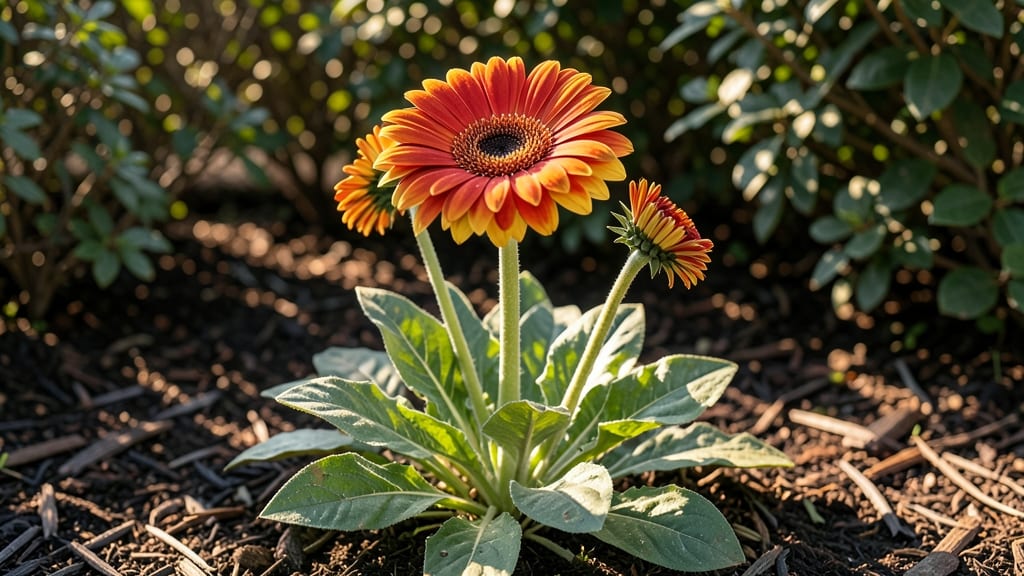
Daisies don't bloom all summer continuously—most varieties flower in spring through early fall, with blooming cycles lasting 4-8 weeks depending on the type, sunlight exposure, and care routine. While Gerbera daisies may produce multiple flushes of blooms seasonally, Shasta daisies typically bloom once per season unless you deadhead regularly.
Daisy blooming patterns actually follow natural seasonal cues rather than continuous summer growth. 🌸 Many varieties are sensitive to daylight length, triggering blooming when days start shortening in late summer.
For example, Shasta daisies often produce their best display in spring, while Gerbera daisies might reward you with sporadic blooms throughout summer if you maintain proper care. The key difference lies in their genetic programming—some daisies are programmed for single-season bursts, while others have more flexible blooming windows.
What's interesting is how environmental factors play into this. Adequate sunlight (at least 6-8 hours daily) and proper soil nutrition can sometimes coax extended blooming, but even then, most daisies will take periodic breaks.
For instance, African daisies often need a 1-2 week rest period between blooming cycles to recharge. Understanding your specific daisy variety's tendencies will help you manage expectations and care routines accordingly.
💡 In This Article
- Daisy Blooming Seasons by Variety: When and How Long They Flower
- Extending Daisy Blooms: Pruning, Fertilizing, and Light Tips
Daisy blooming seasons by variety: when and how long they flower
The blooming cycles of daisies are primarily governed by their biological programming and environmental triggers. Most daisy varieties follow a photoperiodic response, meaning they bloom in response to changes in daylight length.
For instance, Shasta daisies typically bloom from late spring to early summer, with flowers lasting 4-6 weeks before entering dormancy. This is because they're sensitive to decreasing daylight hours in late summer, which signals their bodies to conserve energy for next year's growth.
Gerbera daisies, on the other hand, exhibit more flexible blooming patterns. They can produce flowers throughout summer if given proper care, with individual blooms lasting 7-10 days before wilting.
The key difference lies in their seasonal reblooming capability—while Shasta daisies often bloom just once per season, Gerberas may produce 2-3 blooming cycles when deadheaded regularly. African daisies follow a similar pattern but require a 2-3 week rest period between blooming phases to prevent exhaustion.
Temperature also plays a crucial role in daisy blooming cycles. Most varieties thrive in moderate climates (60-75°F), where they can bloom continuously. However, extreme heat above 85°F or cold snaps below 50°F can trigger dormancy.
For example, Oxeye daisies often bloom from mid-summer to early fall but may cease flowering if temperatures rise too high. This is why many gardeners in hot climates provide afternoon shade to extend the blooming season.
What most gardeners don't realize is that daisies have internal biological clocks that regulate their blooming cycles. These clocks are influenced by a hormone called florigen, which is produced in response to specific daylight patterns.
When days shorten in late summer, florigen production decreases, signaling the plant to stop blooming and focus on root development. This is why even with perfect care, most daisies will take a break from flowering by late summer or early fall.
Consider these key blooming characteristics by variety:
- Shasta Daisies: Single bloom season (spring-early summer), 4-6 weeks of continuous flowers
- Gerbera Daisies: Multiple bloom cycles (spring-fall), 7-10 days per bloom with potential for 3 cycles per season
- African Daisies: Continuous blooming possible with care, needs 2-3 week rest periods
- Oxeye Daisies: Late summer to early fall blooming, sensitive to temperature extremes
The most important takeaway is that while you can't make daisies bloom all summer, you can significantly extend their flowering periods by understanding these natural cycles and providing optimal growing conditions.
Proper deadheading, balanced fertilization, and strategic pruning can help maximize your daisies' natural blooming potential throughout the growing season. 🌿