
Blooming
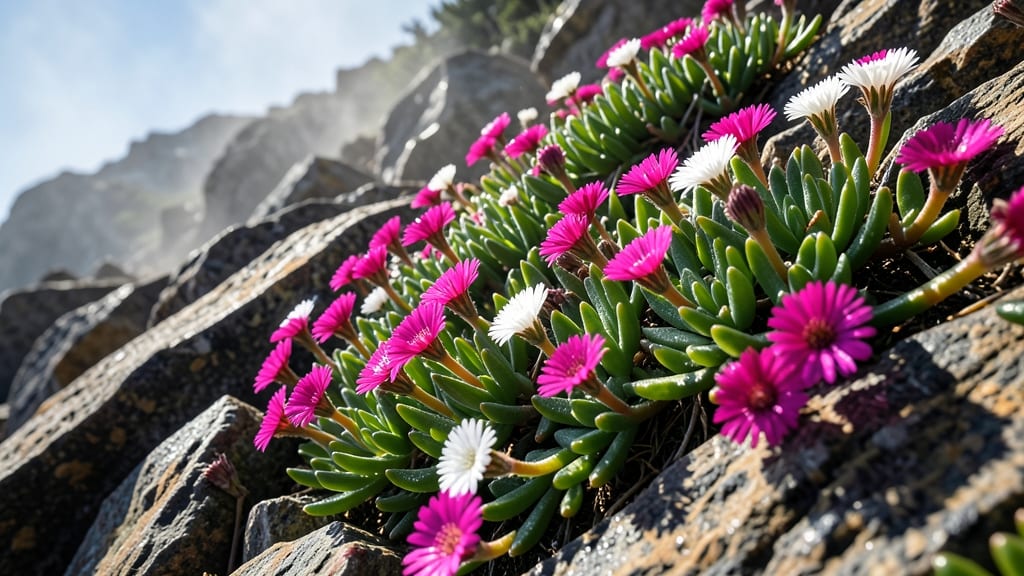
Winter gardening doesn’t have to be dormant—these 10 hardy winter-blooming flowers prove you can enjoy vibrant blooms even in frost. Discover cold-resistant varieties that defy seasonal limits and transform your garden into a winter wonderland.
Hellebores: Shade-Loving Winter Jewels
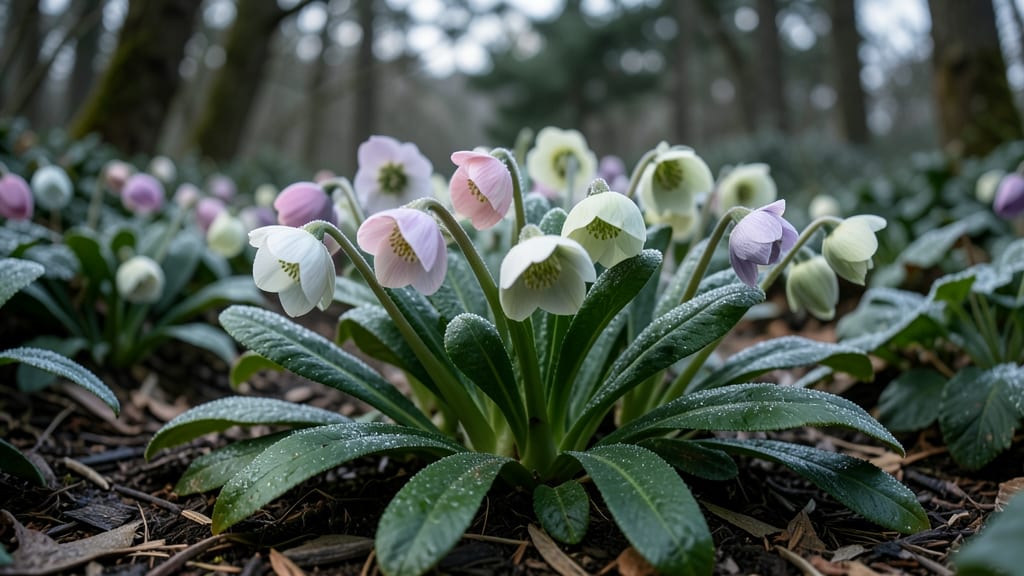
If your garden feels like a forgotten corner in winter, hellebores are the understated stars you’ve been missing. These shade-loving perennials bloom in late winter or early spring, offering delicate, nodding flowers in shades of white, pink, purple, and green—often when little else is in bloom.
Thriving in deep shade and even frost down to -20°F, hellebores are perfect for under trees, north-facing beds, or woodland gardens where other plants struggle. Their evergreen foliage provides year-round interest, and they’re nearly pest-free. Plant them in well-draining, humus-rich soil and water moderately—they’ll reward you with months of blooms before summer arrives. 💚
Winter Jasmine: Fragrant Climbing Beauty
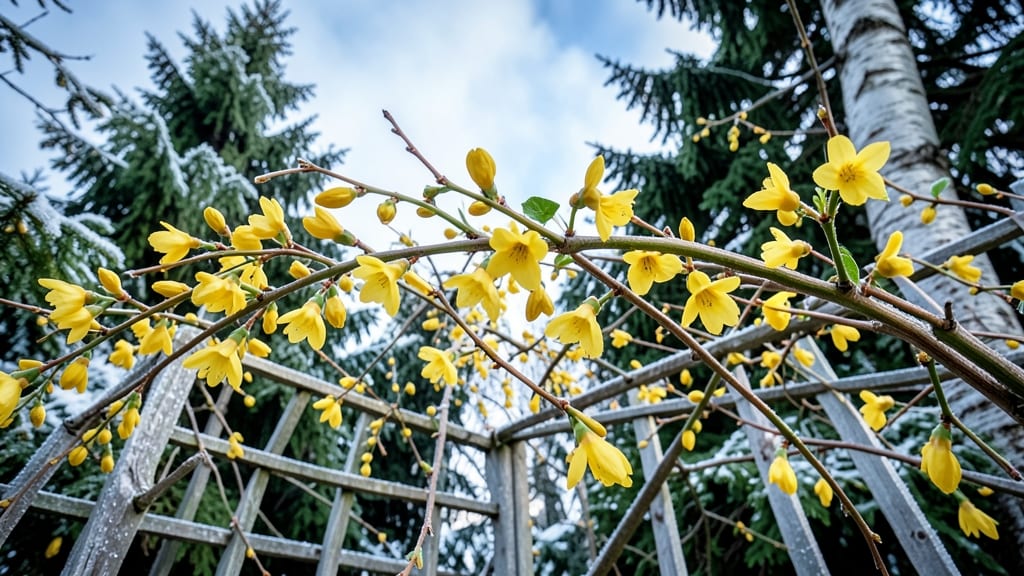
If you crave a burst of sunshine in the dead of winter, winter jasmine (Jasminum nudiflorum) delivers with its cheerful golden-yellow flowers that bloom from December through March. Unlike its tropical cousin, this hardy vine thrives in full sun and survives temperatures as low as -15°F, making it perfect for cold climates.
This fast-growing vine can climb trellises or fences up to 10 feet tall, offering both vertical interest and fragrance. Plant it in well-drained soil and prune back in late spring to encourage dense growth. The flowers appear on bare stems, creating a stunning contrast against winter snow.
Ideal for gardeners in zones 5-9, winter jasmine brings early color and structure to gardens. It’s especially great for urban spaces where vertical gardening maximizes limited room. 🌻
Snowdrops: First Messengers of Spring
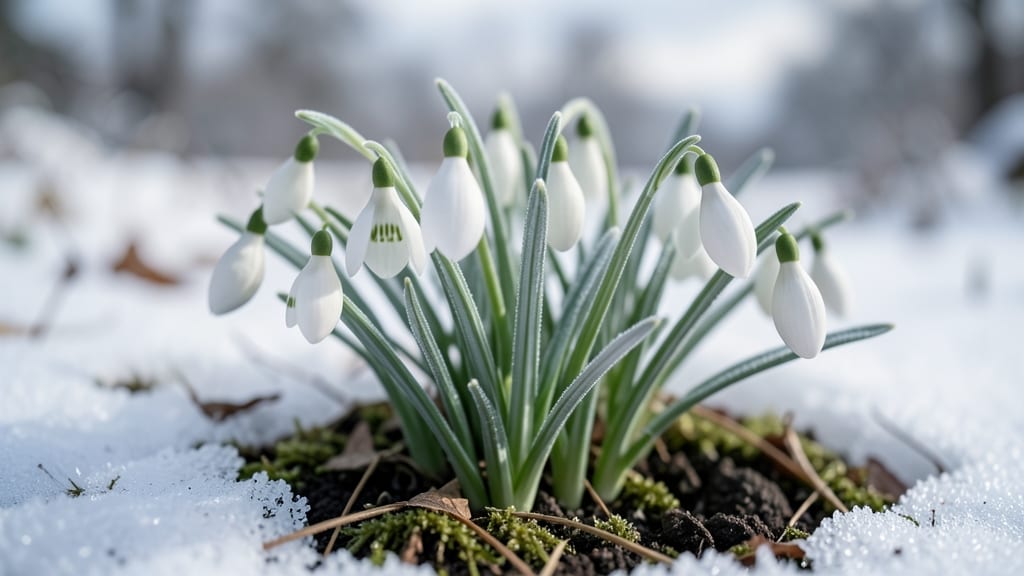
When winter still clings to the landscape, snowdrops emerge like tiny miracles—delicate white and green-striped blooms that defy the cold. These first messengers of spring can push through snow and tolerate temperatures below 0°F, making them the ultimate symbol of resilience in your garden.
Plant them in grassy lawns, woodland edges, or under deciduous trees where they’ll naturalize over time, creating lush colonies. Snowdrops thrive in partial shade and well-drained soil, with minimal care needed beyond occasional division to prevent overcrowding. Their early bloom time also makes them a magnet for bees and other early pollinators.
Perfect for gardeners who want low-maintenance beauty or those restoring native habitats, snowdrops bring hope and color when the world feels grayest. 🌱
Crocuses: Purple Winter Carpet Flowers
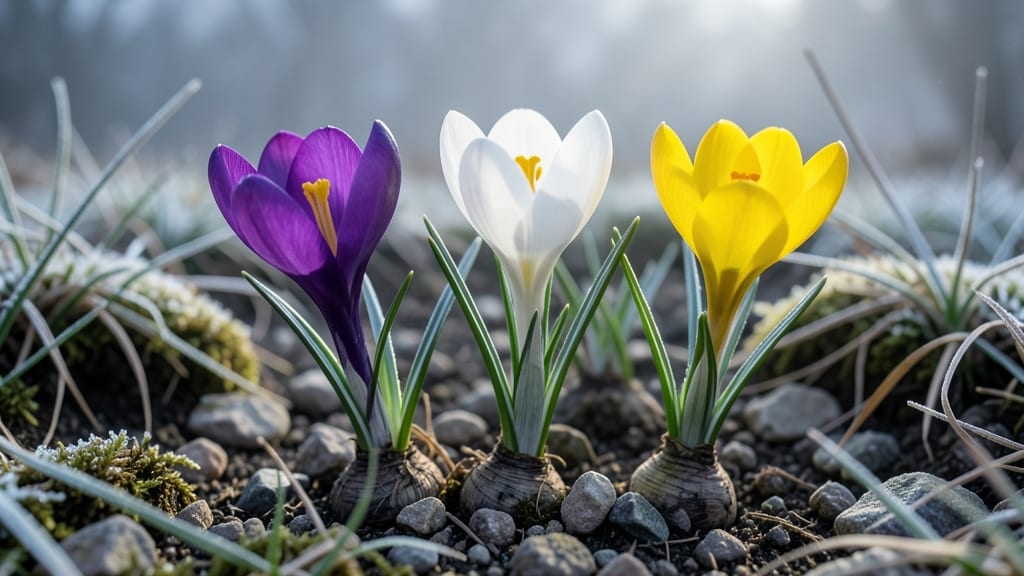
If you crave a burst of color when winter still lingers, crocuses are your secret weapon—these tiny bulbs pack a punch with their vibrant purple, white, or yellow blooms that emerge as early as February in many climates.
Plant them in rock gardens, borders, or even containers where their low height (3-6 inches) won’t overwhelm other plants. They thrive in full sun to partial shade and tolerate light frosts down to 10°F, making them ideal for late-winter displays. Bonus: Their early blooms attract bees and pollinators when few other flowers are available!
Perfect for beginners or small-space gardeners, crocuses require minimal care—just plant bulbs in fall, water occasionally, and enjoy their cheerful faces breaking through winter’s chill. 🌱
Pansies: Edible Winter Color Explosion
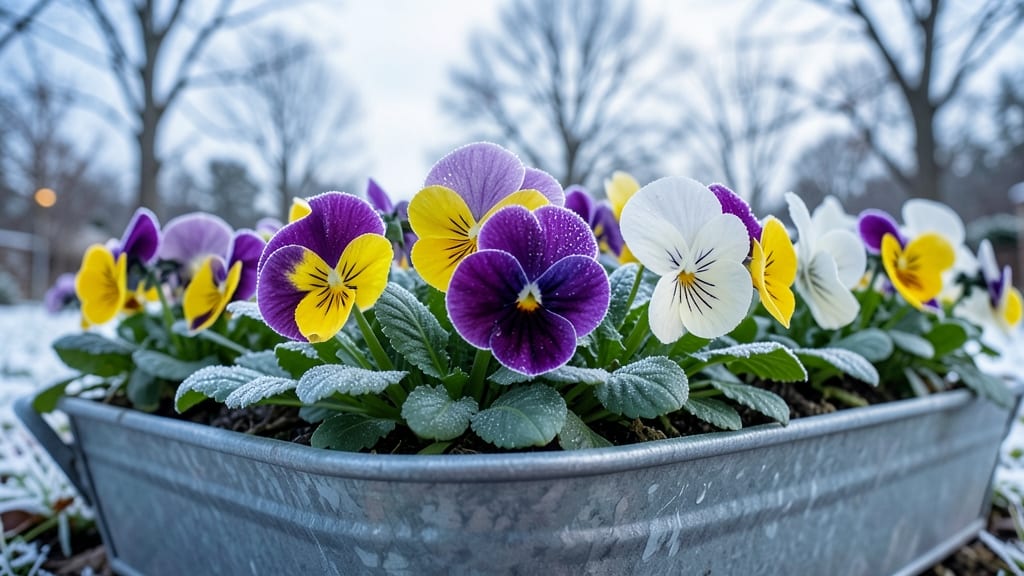
When you crave color and freshness in your garden during the coldest months, pansies deliver a double dose of joy—vibrant blooms and edible petals. These cheerful annuals thrive in temperatures as low as 20°F, making them perfect for winter container gardens or border edges where other plants retreat.
Plant pansies in well-draining soil with 4-6 hours of sunlight daily, and they’ll reward you with a rainbow of colors from late fall through spring. The petals are mild-tasting and safe to add to salads, while their cold-hardy nature means no need for frost protection. For best results, pinch back spent blooms to encourage continuous flowering.
Urban gardeners and small-space enthusiasts will love how easily pansies adapt to containers, while their disease-resistant varieties reduce maintenance. Add them to your winter garden for a pop of color that’s both beautiful and functional. 🌻
Winter Aconite: Sunny Yellow Ground Cover
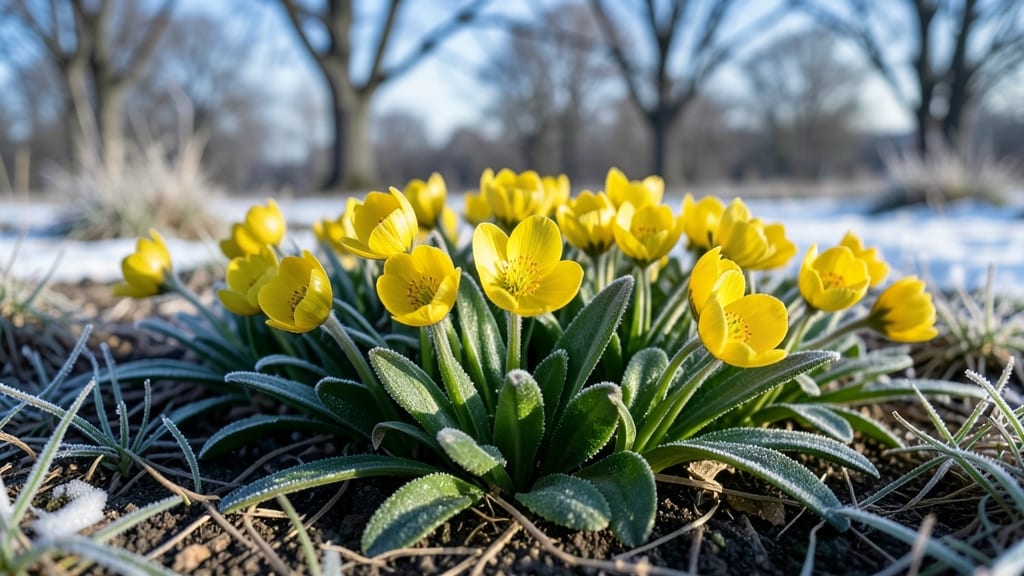
When late winter’s chill still lingers but you crave color, winter aconite (Eranthis hyemalis) delivers a cheerful burst of bright yellow blooms that defy frost. This early riser thrives in temperatures below 10°F, making it one of the hardiest ground covers for sunny spots where most plants retreat.
Plant bulbs in well-drained soil with full sun exposure (6+ hours daily) for best results—they’ll spread quickly over time, creating a golden carpet perfect for slopes, rocky areas, or understory planting. Unlike shade-loving hellebores, winter aconite demands sunlight, rewarding you with blooms from February to April before foliage fades.
Ideal for gardeners in cold climates who want low-maintenance color, winter aconite also attracts early pollinators. Pair it with crocuses for a layered winter display. 🌻
Lenten Roses: Rugged Woodland Blooms
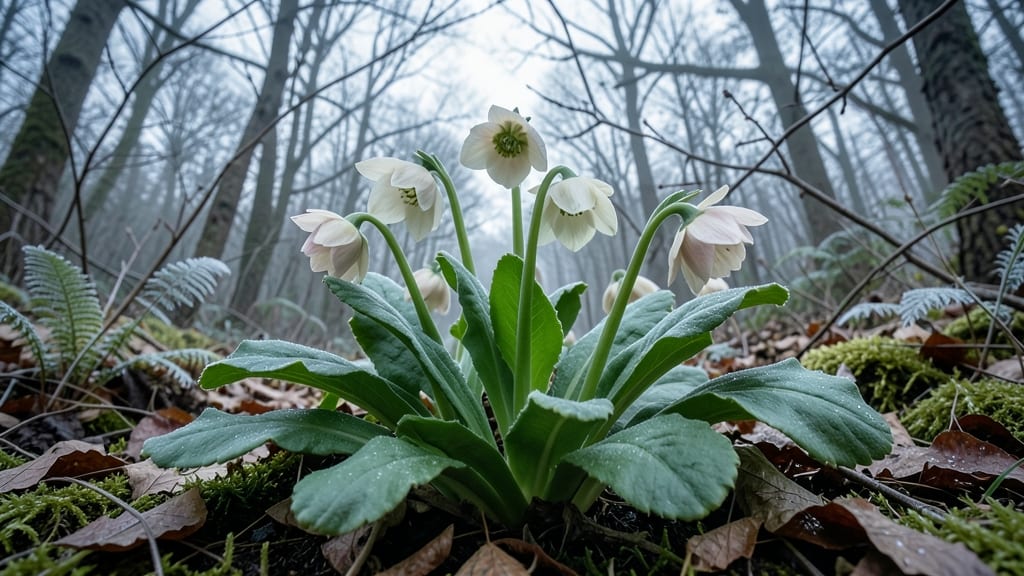
Tucked away in shady corners where most plants struggle, lenten roses emerge like woodland fairies with their delicate, cup-shaped blooms. Unlike sun-loving winter flowers, these hardy perennials thrive in partial shade and bring early color to your garden—often blooming from late February through April.
With varieties like 'Paul's Himalayan' (deep pink) or 'Beatrice Mosquini' (white with yellow centers), lenten roses offer a soft contrast to winter's starkness. They're equally at home in containers or garden beds, needing only well-draining soil and occasional watering once established. Their disease resistance makes them low-maintenance stars for shaded spots under trees or along north-facing walls.
Perfect for gardeners with limited sun exposure, these blooms signal spring's arrival while requiring minimal care. Even novice gardeners will appreciate their resilience and cheerful presence. 🌷
Sweetbox: Fragrant Winter Shrub
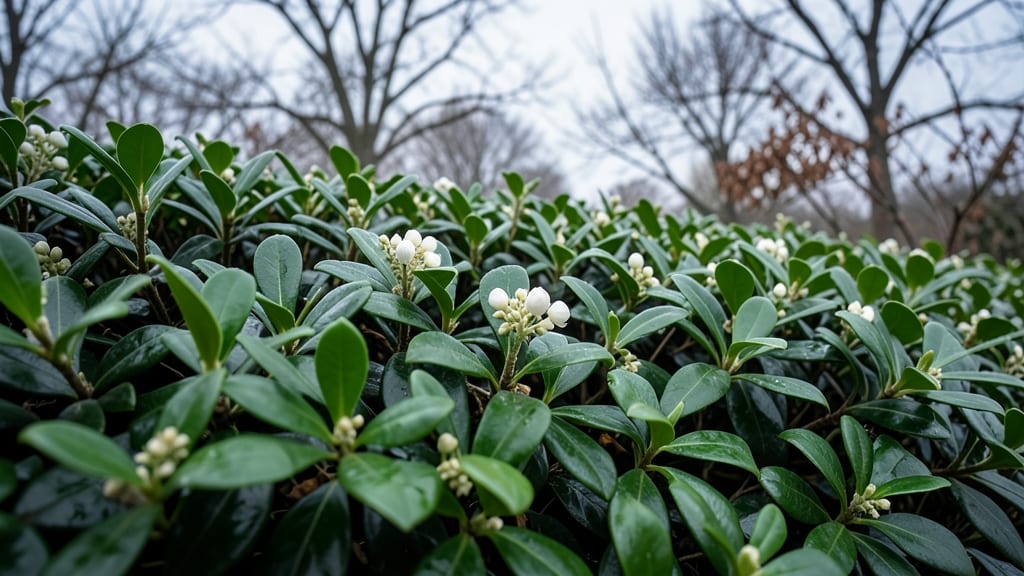
When you crave a fragrant winter garden that doubles as a sturdy hedge, sweetbox (Sarcococca) delivers with its delicate white blooms and intoxicating scent—perfect for filling your yard with life when everything else sleeps.
This evergreen shrub thrives in partial shade to full sun and handles temperatures below 0°F, making it ideal for foundation plantings or privacy screens. Its glossy dark green leaves add year-round structure, while clusters of tiny white flowers bloom from late winter through early spring, releasing a honey-like fragrance that attracts pollinators. Prune lightly after flowering to maintain shape.
Urban gardeners and homeowners with limited space will love sweetbox—it’s compact (3–6 feet tall) yet hardy enough for coastal or cold climates. Plant it near patios or entryways to enjoy its sweet aroma up close. 🌷
Christmas Camellias: Luxurious Winter Blooms
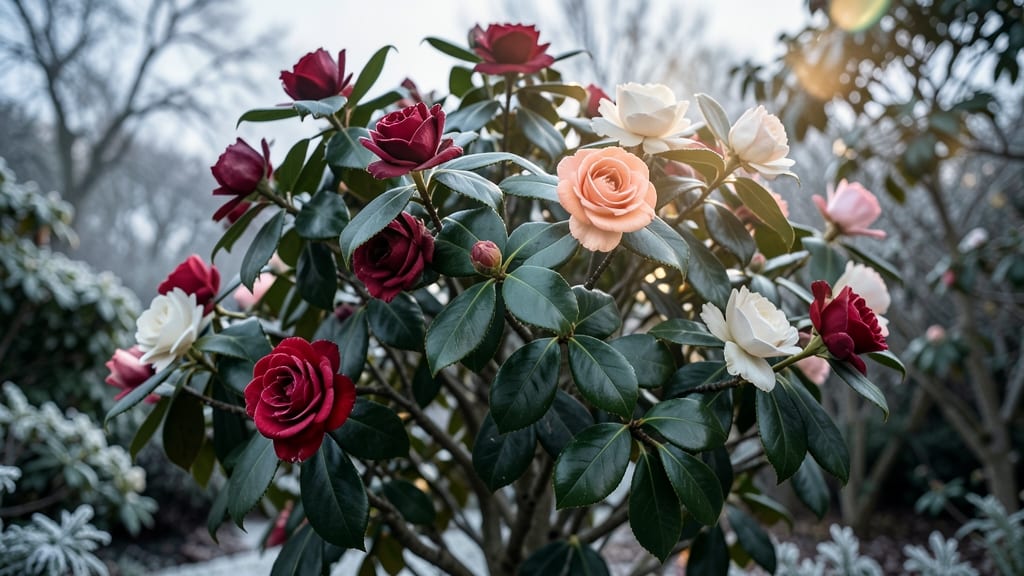
If you crave year-round elegance in your garden, Christmas camellias deliver a luxurious touch that no other winter bloomer can match. Their glossy, dark green leaves and large, rose-like flowers create a dramatic focal point that thrives when most gardens are dormant.
These evergreen shrubs bloom from December through February, offering vibrant colors like pink, red, and white that stand out against icy landscapes. Unlike delicate winter flowers, they survive temperatures down to 10°F and prefer partial shade, making them perfect for formal gardens, hedges, or as standalone specimens. Prune lightly after flowering to maintain shape and encourage new growth.
Gardeners with structured landscapes or those who love high-impact plants will adore Christmas camellias—they’re the ultimate statement plant for winter. 🌷
Ice Plants: Drought-Tolerant Winter Stars

If you crave winter color without the fuss of watering, ice plants are your secret weapon. These succulent-like perennials burst into bright magenta or white flowers from late fall through winter, thriving where other plants struggle—like rocky slopes or coastal gardens with salty air.
Plant them in full sun with well-draining soil and they’ll reward you with year-round interest, surviving temperatures down to 20°F. Their thick, fleshy leaves store water, making them nearly drought-proof once established. Just avoid overwatering—they’ll rot faster than a soggy spring bulb!
Coastal gardeners and low-maintenance enthusiasts will love how ice plants add bold winter drama with zero effort. Pair them with lavender or sedum for a desert-inspired winter garden that hums with color. ✨