
Pruning
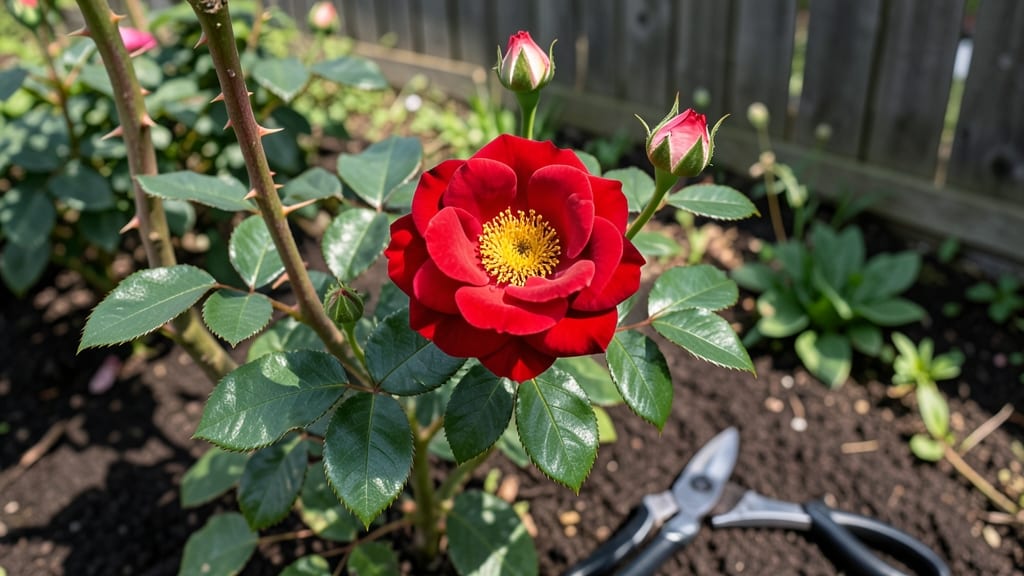
Growing roses at home means waking up to their velvety petals and intoxicating scent every morning—no matter the season. ✨ The secret lies in choosing the right varieties, timing your pruning just right, and giving them the love they crave.
I’ve grown roses in pots on my patio and in garden beds for years, and these techniques work for both beginners and those looking to elevate their garden game.
Start with disease-resistant varieties like 'Knock Out' roses for low-maintenance blooms or fragrant heirlooms like 'Old Blush' for classic charm. They need 6+ hours of sunlight daily, well-draining soil, and regular watering—about 1 inch per week—but avoid soggy roots.
The real magic happens with seasonal trims: a light cleanup in spring, a mid-summer shape-up, and two more cuts in fall and winter to keep them thriving.
By following this schedule, you’ll enjoy blooms from May through October and even winter interest with bare branches that hold their shape. The fragrance alone makes it worth the effort—imagine walking past a bush heavy with 'David Austin' roses and being hit with that sweet, old-fashioned perfume.
Plus, roses attract pollinators and add timeless elegance to any space.
Whether you’re working with a small balcony pot or a full garden bed, these steps adapt easily. The key is consistency—prune at the right time, feed them regularly, and they’ll reward you with lush, healthy growth and blooms that turn heads. Ready to transform your space into a rose-filled paradise?
📚 In This Guide
- What you need
- Instructions
- Tips and common mistakes
- Wrapping up and next steps
What you need
- ● Pruning shears: Bypass pruners (sharp, clean, and bypass-style for clean cuts—avoid anvil pruners, which crush stems). Quantity: 1 pair.
- ● Hand pruners (for smaller stems): Ergonomic, bypass-style with a 3-4 inch blade. Quantity: 1 pair.
- ● Gloves: Garden gloves (thick, cut-resistant, and long-cuffed to protect from thorns). Quantity: 1 pair.
- ● Disinfectant: 70% isopropyl alcohol or a 10% bleach solution (1 part bleach to 9 parts water) to sterilize tools between cuts.
- ○ Pruning sealant (optional but recommended): Pruning wax (like Tanglefoot Pruning Seal) to protect cuts from disease. Quantity: Small jar.
- ● Fertilizer: Balanced rose fertilizer (e.g., 10-10-10 or 5-10-5 NPK ratio). Quantity: Enough for 2-3 applications per season.
- ● Organic options: Compost or fish emulsion for slow-release nutrients.
- ● Mulch: Organic mulch (e.g., shredded bark or straw) to retain moisture and regulate soil temperature. Quantity: 2-3 inches around the base.
- ● Support stakes or cages: Metal or wooden stakes (for climbing roses) or rose-specific cages (for bush varieties). Quantity: 1-2 per plant, depending on size.
- ○ Watering can or hose: With a gentle spray nozzle to avoid damaging blooms. Optional: Drip irrigation system for consistent moisture.
- ● 💡 Sterilize tools before and after pruning to prevent black spot or other fungal diseases.
- ● 🎯 Mark your calendar for seasonal trims: late winter/early spring (major prune), summer (deadheading), and late fall (light cleanup).
- ● 🌡️ Prune in cool, overcast weather to reduce stress on the plant.
Instructions for year-round rose care with seasonal trims
Here's how I keep roses thriving—and blooming—through every season with just four strategic trims.
✂️ Step 1: Late Winter Pruning (Before Bud Break)
Wait until late February or early March when daytime temperatures consistently reach 45°F. This is the moment that matters: you're shaping next year's growth while removing dead wood. I cut back canes to 1/2 inch above an outward-facing bud—never leave stubs. This encourages strong new growth from the bud rather than weak shoots from the wound.
Remove any canes that died over winter—they're easy to spot as they're brown and brittle. I like to sterilize my pruners between cuts with rubbing alcohol to prevent spreading disease. Aim to open the center of the plant for better airflow, which prevents fungal issues like black spot. You'll see fresh green buds within 2-3 weeks—that's your signal everything's working.
☀️ Step 2: Post-Bloom Summer Pruning (After First Flower Wave)
Once the first flush of blooms fades, cut back spent stems to just above a five-leaflet leaf. This redirecting energy to side shoots produces the second bloom cycle. I always use clean, sharp pruners—dull blades crush stems and invite infection. Remove any crossing branches that rub together, as these wounds become entry points for pests.
This is also when I check for suckers—those vigorous shoots growing from the base or graft union. Snip them off immediately to prevent them from stealing energy from your main plant. You'll notice new buds forming along the remaining stems within 7-10 days. Here's the thing—don't over-prune in summer. Just remove what's necessary to maintain shape and encourage reblooming.
🌿 Step 3: Light Autumn Pruning (After Second Bloom)
After the second bloom cycle, do a light cleanup—remove any deadheading stems and trim back leggy growth by 1/3. The goal is to prepare the plant for winter without removing too much foliage, which helps build root strength. I look for canes that grew during the season but didn't produce flowers and cut those back to encourage next year's blooms.
This is the time to also remove any weak or diseased wood. Sterilize your tools between cuts again—autumn is when fungal spores spread rapidly. Leave the plant with a nice rounded shape but don't go overboard. You want to maintain some foliage to continue photosynthesizing until frost. Once temperatures drop below 50°F at night, your roses will enter dormancy naturally.
⏰ Step 4: Winter Protection and Final Trim (Late Fall)
Before the first hard frost, give your roses a final light trim—cut back all stems to 18-24 inches tall. This makes it easier to mound soil or mulch around the base for winter protection. I use 4-6 inches of organic mulch (like shredded bark) to insulate the roots. For particularly cold climates, I wrap the entire plant in burlap after trimming.
Don't worry about removing all the leaves—some foliage acts as insulation. Just clear away any diseased leaves you notice. In spring, you'll see fresh growth emerging from the base, and that's when you know your winter prep worked. Real talk: the first year after heavy winter protection, you might see fewer blooms, but the plant will be stronger for years to come.
Tips & tricks for perfect year-round rose care
These seasoned strategies will help you maintain vibrant roses that bloom beautifully through every season.
Timing is Everything: For Step 1's late winter pruning, don't rush into action just because it's February. The critical 45°F daytime temperature threshold is your cue—wait until you consistently see those temperatures to avoid stimulating premature growth. I've learned this the hard way after seeing tender new shoots get nipped by unexpected late frosts. The 2-3 week window for new buds to appear is your confirmation that you've timed it right.
Tool Maintenance Matters: Sterilizing your pruners between cuts might seem like overkill, but it's non-negotiable—especially in Step 1 when you're removing dead wood. I keep rubbing alcohol handy and wipe down blades after every 3-5 cuts. This prevents spreading fungal spores that could lead to black spot, a common rose disease. Sharp tools also make cleaner cuts that heal faster, reducing infection risks.
Seasonal Shape Strategy: In Step 3's autumn pruning, focus on maintaining that rounded shape rather than aggressive trimming. The 1/3 reduction guideline is perfect for encouraging next year's blooms while preserving foliage for photosynthesis. I always visualize the plant's natural growth pattern—think of it as sculpting rather than hacking. This approach builds root strength for winter resilience.
Winter Protection Insight: When you're doing the final late fall trim to 18-24 inches, remember that the mulch layer is your rose's winter blanket. The 4-6 inches of organic mulch should extend out to the plant's drip line, not just the base. For extra protection in cold climates, I've found that wrapping the entire plant in burlap after trimming adds an insulating layer that can mean the difference between winter survival and spring revival.
Pro Tips for Roses At Home
- These seasoned strategies will help you maintain vibrant roses that bloom beautifully through every season.
- Timing is Everything: For Step 1's late winter pruning, don't rush into action just because it's February.
- Tool Maintenance Matters: Sterilizing your pruners between cuts might seem like overkill, but it's non-negotiable—especially in Step 1 when you're removing dead wood.
Frequently asked questions
Got questions about keeping roses thriving at home?
You’re not alone! Here are answers to the most common queries—from pruning to pests—so you can enjoy year-round fragrance without the guesswork.
How do I prune roses in winter vs. spring?
Winter pruning (late dormancy, before buds swell) removes dead or weak growth to shape the plant. Spring pruning (after last frost) focuses on cutting back ⅓ of last year’s growth to encourage blooms. Always use sterilized tools and never prune when frost is forecasted.
Can I grow roses indoors year-round?
Yes! Miniature or patio roses thrive indoors near a sunny window (6+ hours/day). Use well-draining pots, fertilize monthly, and prune lightly to control size. Just watch for spider mites—mist leaves weekly to keep humidity up!
What’s the best way to deal with rose pests naturally?
Start with prevention: Remove fallen leaves/debris (pest hideouts!) and spray neem oil weekly. For aphids, blast them off with water. Ladybugs and parasitic wasps are your allies—invite them with native plants!
How often should I fertilize roses at home?
Feed roses every 4–6 weeks during growing season (spring–fall) with a balanced rose fertilizer (10-10-10). Skip winter feeding—let the plant rest. Pro tip: Mix compost into soil in early spring for slow-release nutrients!
Do roses need special care in extreme heat or cold?
Heat: Mulch heavily, water deeply at dawn, and avoid overhead sprinklers (fungus risk!). Cold: Mound soil or straw around the base (12+ inches) to insulate roots. Everblooming varieties handle cold best—check your zone!
Wrapping up and next steps
Bringing roses into your home isn’t just about beauty—it’s about creating a year-round sanctuary of fragrance and joy. With the right seasonal trims, you can keep your roses thriving, blooming, and filling your space with their signature scent, no matter the weather. 🌹
Ready to transform your home into a fragrant retreat? Start by choosing your favorite rose varieties and grabbing your pruning tools. Then, follow the seasonal guide to keep your roses happy, healthy, and blooming like never before!
Your next step? Pick a season, grab your shears, and get trimming—your home (and nose) will thank you! 🌿✨