
Pruning
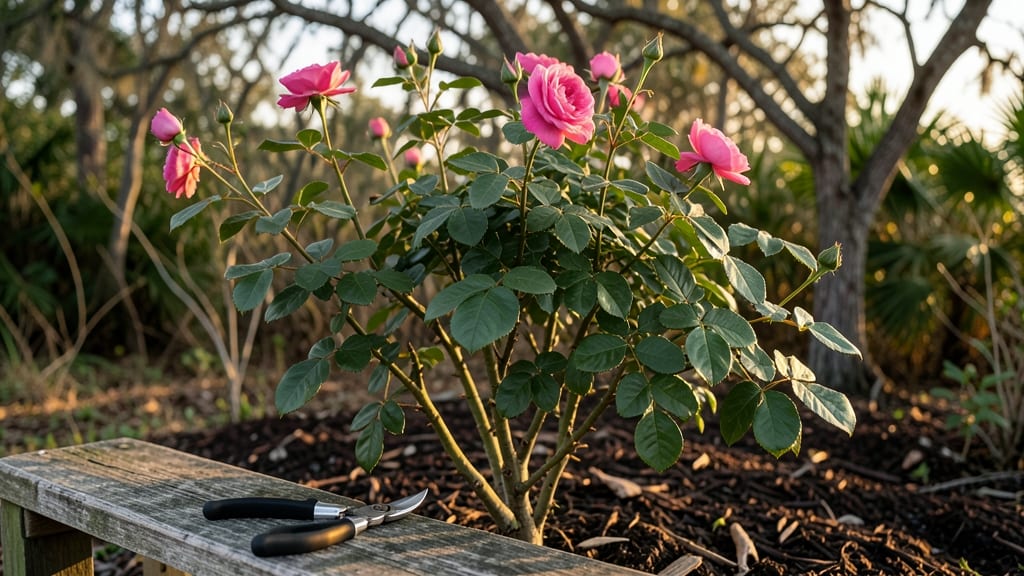
Trimming roses in Florida isn’t just about timing—it’s about unlocking those fragrant, year-round blooms that make your garden smell like spring all year. 🌹 I’ve learned the hard way that Florida’s warm winters and hurricane risks change the rules completely.
The best time to prune is late winter to early spring (February to March), right before the first flush of new growth—but there’s more to it than just the calendar.
Florida’s climate means you can prune lightly after storms or heavy blooms too, but the real secret is matching your cuts to your rose variety. Knock Out roses need minimal pruning, while hybrid teas and climbers benefit from a clean, open shape to prevent disease in our humid air.
And here’s the kicker: if you prune too late, you risk losing blooms to summer storms.
You’ll end up with roses that bloom heavier and longer than ever, with fewer pests and stronger stems. The fragrance? Unmatched—especially if you prune at the right angle to encourage new growth.
I’ve seen roses in my North Florida yard push out new blooms within 6 weeks of the right pruning.
For Florida gardeners, this means three key pruning windows: late winter (main prune), summer cleanup (after storms), and light trims after major blooms. Skip the common mistakes—like pruning into old wood or using dull shears—and your roses will thank you with vibrant, disease-resistant growth all season.
📚 In This Guide
- What you need
- Instructions
- Tips and common mistakes
- Wrapping up and next steps
What you need
- ● Pruning shears: Bypass pruners (sharp, clean) for clean cuts on stems up to ½ inch thick. Quantity: 1 pair (or 2 for larger bushes).
- ● Loppers: For thicker stems (½–1.5 inches). Quantity: 1 pair (with a bypass blade for precision).
- ○ Pruning saw: For stubborn, woody stems (>1.5 inches). Quantity: 1 (optional but handy).
- ● Garden gloves: Heavy-duty, cut-resistant (thorns are no joke!). Quantity: 1 pair.
- ● Disinfectant: 70% isopropyl alcohol or bleach solution (1 part bleach to 9 parts water) to sterilize tools between cuts. Quantity: Small spray bottle or container.
- ● Rubbing alcohol or hydrogen peroxide: For cleaning tools post-pruning. Quantity: Small bottle.
- ● Trash bags or bucket: For collecting debris. Quantity: 1–2 (depending on bush size).
- ● Hand pruners: For delicate trimming of small stems or deadheading.
- ● Knee pads: If you’re on the ground for a while (your knees will thank you!).
- ● Rose fertilizer: Balanced (10-10-10 or 8-3-9) or organic options (like compost or fish emulsion) to feed roses post-pruning.
- ● Mulch: Pine bark or shredded leaves to protect roots and retain moisture.
- ● Spray bottle with water: To mist cuts on hybrid teas or climbers (helps prevent disease).
- ● Check the weather: Prune on a dry, overcast day or early morning (avoid midday sun to reduce stress on plants).
- ● Gather intel: Know your rose type (e.g., Floribunda, Grandiflora, or Old Garden Roses)—pruning needs vary!
- ● Clear the area: Remove weeds, dead leaves, or debris around the base of the rose bush.
- ● Sharpen your tools: Dull blades tear stems, inviting disease. Use a file or sharpening stone if needed.
Step-by-Step guide to pruning roses in Florida for continuous blooms
Florida’s warm climate lets roses bloom nearly year-round—but timing cuts makes all the difference.
✂️ Step 1: Time Your First Cut After the Last Frost
In Florida’s Zone 8-10, prune your roses 2-3 weeks after your last frost date, usually in mid-to-late February. This gives plants time to recover before the heat of spring. Look for new green buds forming along the canes—these signal the plant is ready for a trim.
I always wait until daytime temperatures stay above 55°F consistently—cold snaps can shock newly pruned roses. If you’re unsure, check your local frost dates or use the USDA Plant Hardiness Zone Map for Florida’s coastal vs. inland variations.
Here’s the thing—if you prune too early, you risk encouraging new growth that could be damaged by a late frost. Better to wait a few extra days than risk losing tender shoots.
🌿 Step 2: Prune for Shape and Airflow in Late Spring
After the initial post-frost trim, focus on late May to early June for your second prune. This is when roses start their summer flush of blooms. Remove any dead, diseased, or crossing canes first—these compete with healthy growth and spread problems.
I cut back last year’s flowering stems by one-third to one-half, making clean cuts just above an outward-facing bud. This opens up the center of the bush for better airflow and sunlight penetration, which prevents fungal issues like black spot that thrive in Florida’s humidity.
Watch for suckers growing from the base—these are aggressive shoots that sap energy from your main canes. Snip them off at the base with clean pruners. I like to sterilize my tools with rubbing alcohol between cuts to prevent spreading disease.
☀️ Step 3: Light Maintenance Pruning During Summer
Florida’s summer heat means roses need minimal pruning—just remove spent blooms and yellowing leaves to encourage more flowers. This is called deadheading, and I do it every 7-10 days during peak bloom season (June through September).
Cut just above a set of five leaflets (a fan-shaped cluster) to promote strong new growth. Avoid heavy pruning now—it stresses plants when they’re already dealing with heat and humidity. If you see leggy growth reaching for the sun, a light trim can help thicken the plant.
Real talk: Florida’s summer storms can damage roses. After a storm, inspect for broken canes and prune them back to healthy growth. Just avoid pruning in the afternoon heat—wait until morning when temperatures are cooler.
⏰ Step 4: Prepare for Winter with a Light Trim in November
Even in Florida, roses benefit from a light winterizing trim in late November. This isn’t about heavy pruning—think of it as tidying up. Remove any weak, crossing, or diseased canes and cut back any growth that looks overly leggy or sparse.
I never cut back more than 20-30% of the plant at this stage. The goal is to shape the bush and remove anything that might harbor pests or diseases over winter. If you have rose rosette virus in your area (common in Florida), burn or bag all infected canes immediately.
After trimming, apply a 2-3 inch layer of mulch around the base to protect roots from temperature swings. This is especially important for newly planted roses or those in Zone 8B and cooler areas of Florida.
Tips & tricks for pruning roses in Florida
Florida's unique climate demands a nuanced approach to rose pruning—here's how to avoid common pitfalls and maximize blooms.
Timing is Everything: The 2-3 week window after your last frost isn't just arbitrary—it's when your roses naturally begin their spring growth cycle. I've seen roses in Zone 8B bloom continuously when pruned at this precise time. Watch for those first green buds along the canes as your signal to start, not just calendar dates. Coastal Florida often warms up faster than inland areas, so adjust your timing accordingly.
Cutting Technique Matters: When you make those one-third to one-half cuts in Step 2, always aim for the outward-facing bud. This creates a more open plant structure that Florida's humidity loves. I use a sharp bypass pruner and make clean cuts at a 45-degree angle just above the bud to prevent water from pooling and causing rot. For larger canes, I make two cuts—first to remove the bulk, then a final clean cut at the right angle.
Storm Damage Recovery: After Florida's summer storms, don't wait to prune broken canes. Cut back to the nearest healthy growth immediately to prevent disease entry points. I've seen roses recover beautifully from storm damage when pruned within 24 hours, but waiting too long can lead to fungal infections that spread quickly in our warm, humid climate. Always sterilize your tools between cuts when dealing with damaged plants.
Seasonal Adjustments: The late November trim is your chance to tidy up without over-stressing the plant. Focus on removing only the weakest growth—never more than 20-30% of the plant. I've found that Florida's Zone 8B roses often need less winterizing than their northern counterparts, but that 2-3 inch mulch layer around the base makes all the difference in protecting roots from those rare cold snaps we get in north Florida.
Pro Tips for When To Trim Roses In Florida
- Florida's unique climate demands a nuanced approach to rose pruning—here's how to avoid common pitfalls and maximize blooms.
- Timing is Everything: The 2-3 week window after your last frost isn't just arbitrary—it's when your roses naturally begin their spring growth cycle.
- Cutting Technique Matters: When you make those one-third to one-half cuts in Step 2, always aim for the outward-facing bud.
Frequently asked questions
Got questions about trimming roses in Florida’s warm climate? You’re not alone! Here are answers to the most common concerns—so you can keep your roses thriving with confidence.
When is the absolute best time to trim roses in Florida?
Florida’s mild winters and long growing season mean you can trim roses year-round, but the ideal times are early spring (February–March) for shaping and summer (June–July) for light maintenance. Avoid heavy trims after October—new growth won’t harden off before cold snaps.
Can I trim roses in Florida during hurricane season?
Yes, but strategically! Light pruning to remove dead or weak stems (May–September) is fine, but avoid heavy cuts. Hurricanes can stress plants, so focus on cleanup after storms—remove broken branches and diseased foliage to prevent pests.
Will trimming roses too late in the year kill them?
Not necessarily, but it can stunt blooms and weaken plants. Late pruning (October–December) encourages tender new growth that may not survive Florida’s occasional cold fronts. If you must trim late, stick to minimal shaping and avoid cutting back more than ⅓ of the plant.
How do I tell if my roses need trimming—or if they’re just struggling?
Watch for these signs: overcrowded canes, dead or crossing branches, or fewer blooms. If pests (like aphids) or disease (black spot) are the real issue, prune only the affected areas and treat with neem oil or fungicide first.
Do Florida-friendly roses (like Knock Outs) need different trimming?
Yes! Knock Out roses thrive on light, frequent pruning—trim back by ⅓ after blooms fade (every 6–8 weeks) to encourage bushiness. Avoid heavy winter cuts; these roses bloom on new wood, so prune only to shape in late winter.
Wrapping up and next steps
Trimming your roses in Florida at the right time—whether it’s late winter/early spring for major pruning or after each bloom cycle—keeps your garden vibrant and fragrant year-round. 🌸 With the right tools, technique, and timing, you’ll enjoy lush, healthy roses that thrive in Florida’s unique climate.
Now that you’re armed with the secrets, grab those shears and get pruning! Your garden will thank you with stunning blooms and a burst of beauty.