
Plants
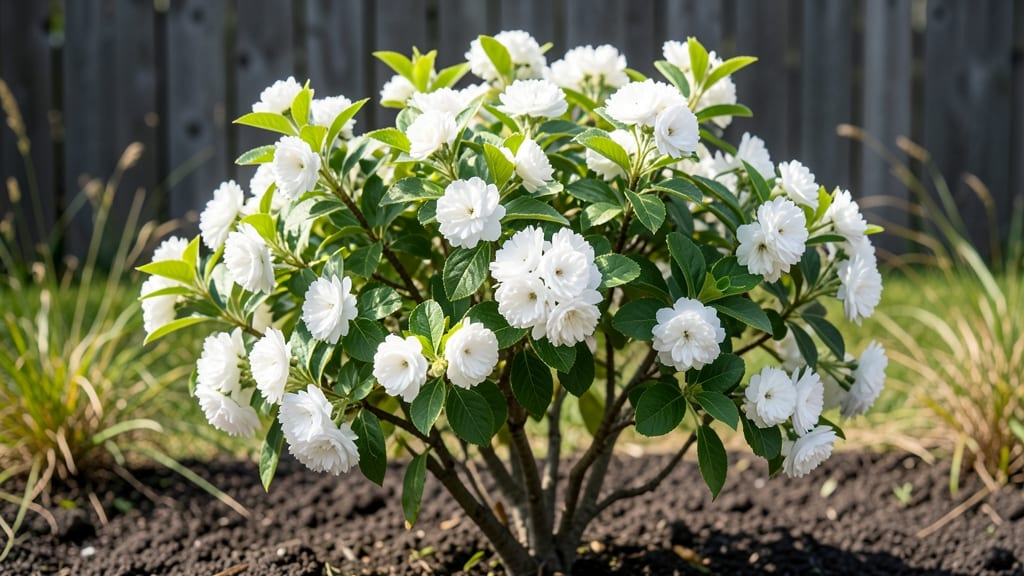
These pollinators are drawn to Rose of Sharon's bright pink and white blooms, which stand out against foliage and reflect UV light—something hummingbirds see clearly. 🌸 The flowers' tubular shape allows them to access nectar efficiently, while the shrub's long bloom season (spring through fall, sometimes winter in mild climates) ensures a steady food source.
I've noticed hummingbirds returning daily to well-established plants, often hovering aggressively near the flowers to defend their territory.
Beyond nectar, Rose of Sharon's abundant pollen provides protein for hummingbird chicks, making it an excellent choice for gardeners who want to support both adult birds and their young.
The shrub's drought tolerance and low maintenance add to its appeal, while its ability to thrive in various soil types makes it adaptable to many landscapes.
💡 In This Article
- Why Rose of Sharon Blooms Are Hummingbird Magnets
- Optimal Rose of Sharon Varieties for Hummingbird Gardens
Why Rose of Sharon blooms are hummingbird magnets
The secret lies in Rose of Sharon's trumpet-shaped flowers, which are specifically designed to attract hummingbirds.
These blooms produce nectar with a sugar concentration of 20-30%, nearly double that of many other garden flowers. 🌸 Hummingbirds have evolved to favor flowers with high-energy rewards, and Rose of Sharon delivers exactly that—its nectar provides the quick fuel these tiny birds need for their rapid wingbeats (up to 80 beats per second).
The flower's curved shape also creates a natural landing platform, making it easier for hummingbirds to hover and feed compared to flat or open blooms.
Color plays a crucial role too. Rose of Sharon's bright pink and white flowers contain pigments that reflect ultraviolet light—something humans can't see but hummingbirds perceive as neon signs. 💫 Studies show these UV patterns guide pollinators directly to the nectar source.
The flowers' 1.5- to 2-inch length is perfect for hummingbirds' beak size, allowing them to access nectar without wasted effort. This precise adaptation explains why hummingbirds often dominate Rose of Sharon flowers, sometimes chasing away bees and butterflies that can't reach the nectar as efficiently.
The shrub's prolonged blooming season (typically 4-6 months, sometimes year-round in warm climates) ensures hummingbirds have a reliable food source.
Unlike many annual flowers that bloom for only a few weeks, Rose of Sharon produces new flowers continuously along its branches. 🌿 This consistent nectar production is especially valuable during migration periods when hummingbirds need to build fat reserves for their long journeys.
I've observed Ruby-throated hummingbirds returning daily to my Rose of Sharon, often defending specific branches from other birds—a clear sign of its value as a food source.
Another key factor is the flower's pollen availability. While hummingbirds primarily feed on nectar, they also require protein-rich pollen for raising chicks.
Rose of Sharon's abundant pollen provides this essential nutrient, making it a complete feeding station. 🐦 The shrub's ability to produce both high-sugar nectar and protein-rich pollen in the same flower makes it particularly valuable for supporting hummingbird populations throughout their breeding season.
This dual benefit explains why conservationists often recommend Rose of Sharon for pollinator-friendly gardens.
Finally, the shrub's hardiness and adaptability contribute to its appeal. Rose of Sharon thrives in USDA zones 5-9, making it suitable for gardens across much of North America.
Its drought tolerance means it continues producing nectar even during dry spells when other plants might wilt. 💧 This reliability ensures hummingbirds always have access to food, regardless of weather conditions.
The combination of perfect flower structure, high-quality nectar, and consistent blooming makes Rose of Sharon one of nature's most effective hummingbird attractors.